


Menu



Vineyard Vows Unveiled Melbourne’s Premier Winery Wedding Escapes
Weddings are more than a ceremony; they are the delicate weaving of memories, emotions, and celebrations that last a lifetime. Choosing the perfect setting is paramount in creating an unforgettable experience for couples and their guests alike. Among the myriad options available, winery venues offer an unparalleled charm with their scenic landscapes, rustic elegance, and intimate atmospheres. These spaces seamlessly combine natural beauty with sophisticated facilities, allowing for a celebration that feels both luxurious and authentically connected to the land.
Winery wedding venue Melbourne offers a unique blend of romance and serenity, making it a favourite for couples seeking a picturesque backdrop for their special day. From rolling vineyards to historic cellar doors, the region provides a range of venues capable of hosting events that feel both private and grand. Couples are drawn to the combination of lush greenery, elegant architecture, and exceptional hospitality that these locations provide, making every wedding a truly bespoke affair.
For those planning their nuptials, selecting a winery as a venue does more than offer a beautiful setting. A winery wedding venue in Melbourne ensures that every detail—from the ceremony to the reception—is enriched by the natural surroundings and bespoke services. Whether it’s an intimate gathering or a grand celebration, these venues cater to a variety of tastes and styles, offering a seamless blend of sophistication and rustic charm that is difficult to replicate elsewhere.
The appeal of winery weddings extends beyond aesthetics. With seasonal blooms, artisanal wines, and gourmet dining experiences, couples can create a wedding that captivates all the senses. Melbourne’s wineries present a diversity of settings, from contemporary estates with modern facilities to classic, rustic vineyards imbued with heritage charm. These characteristics make them an ideal choice for couples desiring a wedding that is both elegant and intimately connected to the land.
Romantic Atmosphere and Scenic Views
The Allure of Rolling Vineyards
Vineyards in Melbourne provide an enchanting landscape that enhances the overall wedding experience. Their expansive views and well-maintained grounds offer endless opportunities for photography, ensuring that each memory is captured against a backdrop of natural beauty. The interplay of sunlight on grapevines, rustic wooden structures, and manicured gardens creates an environment that feels both timeless and magical. Couples can enjoy sweeping views and romantic outdoor spaces that elevate their ceremony and reception alike.
Rustic and Modern Design Integration
Winery venues masterfully blend traditional charm with contemporary elegance. Historic barns, cellar doors, and stone facades can coexist with modern amenities such as climate-controlled reception halls, designer lighting, and flexible floor plans. This combination ensures that couples enjoy the best of both worlds, achieving a wedding atmosphere that is visually stunning while catering to comfort and convenience. The integration of rustic and modern elements provides versatile spaces that can be personalised according to any wedding theme.
Intimate and Private Settings
Many Melbourne winery venues pride themselves on offering a secluded and intimate setting for weddings. Unlike urban event spaces, these locations often provide exclusive access to sprawling grounds, allowing guests to enjoy the celebration without interruptions. The privacy enhances the personal experience, enabling couples to fully immerse themselves in their ceremony and reception. Secluded gardens, vine-lined walkways, and private courtyards ensure a romantic and memorable atmosphere for all attendees.
Tailored Wedding Services
Expert Event Coordination
Winery wedding venues often include professional event coordinators who specialise in creating personalised celebrations. From guiding couples through venue layouts to organising catering, music, and décor, these experts ensure that every aspect of the day aligns with the couple’s vision. Professional coordination reduces stress and allows couples to focus on enjoying their special day.
Culinary Excellence and Wine Pairings
One of the defining features of winery weddings is access to exceptional local cuisine and wine. Melbourne’s wineries frequently offer bespoke menus that incorporate seasonal ingredients, paired with fine wines produced on-site. This combination elevates the dining experience, ensuring guests enjoy both visual and gustatory delights. Tailored menus with wine pairings enhance the overall sensory experience, creating a celebration that is as delicious as it is beautiful.
Customisable Packages
Many venues provide flexible packages that cater to various preferences and budgets. Couples can choose from intimate ceremonies, full-day celebrations, or multi-day experiences that include accommodation and additional festivities. Customisable packages allow for a seamless planning process while ensuring the event remains uniquely personal. Packages often include décor, floral arrangements, and entertainment options, offering convenience without compromising style or quality.
Seasonal Charm and Photographic Opportunities
Capturing Seasonal Beauty
Each season brings a distinct character to Melbourne’s wineries. Spring offers vibrant blooms, summer showcases lush greenery, autumn delivers warm golden hues, and winter provides a crisp, intimate atmosphere. Selecting a wedding date that complements the natural beauty enhances both the ceremony’s ambience and the photographic results. Seasonal planning ensures that couples achieve the perfect setting and lighting for their wedding day.
Iconic Photo Locations
Vineyards offer a variety of picturesque spots for photography. Couples can capture candid moments among the vines, posed portraits in historic courtyards, or sunset shots with rolling hills in the background. These versatile locations enable both creative and classic photography styles, ensuring a diverse and memorable collection of images. Unique vineyard features such as wine barrels, cellar doors, and rustic gates offer distinctive photographic backdrops that elevate wedding albums.
Lighting and Mood Considerations
Natural lighting plays a crucial role in vineyard weddings, particularly during golden hour. Many wineries design their outdoor spaces to maximise light during key moments of the day, enhancing both the ceremony and photo opportunities. In addition, evening receptions can incorporate ambient lighting, candles, and fairy lights to create a romantic and visually stunning atmosphere. Lighting design is essential in highlighting the venue’s natural beauty while setting the tone for an elegant celebration.
Accessibility and Guest Experience
Proximity to Melbourne and Accommodation Options
Winery wedding venues in Melbourne are conveniently located within reach of the city while offering a retreat-like environment. Many venues provide on-site accommodation or partnerships with nearby hotels, ensuring that guests can enjoy a comfortable and convenient stay. Easy access from Melbourne allows guests to travel with minimal hassle while enjoying the luxury of a vineyard experience.
Transport and Logistics Support
Professional winery venues often assist with transport logistics, including shuttle services, parking arrangements, and guest coordination. This support ensures that the wedding runs smoothly and guests can focus on celebrating without logistical concerns. Comprehensive planning for transportation improves guest satisfaction and simplifies event management.
Entertainment and Recreational Activities
Beyond the ceremony, wineries frequently offer recreational options such as wine tastings, guided vineyard tours, and live music. These experiences enhance the overall guest experience, making the wedding a memorable celebration for everyone attending. Couples can incorporate unique activities that reflect their personalities, adding a fun and memorable touch to the wedding day.
Frequently Asked Questions
What makes a winery wedding venue Melbourne unique compared to other venues?
Wineries offer a combination of scenic landscapes, exclusive settings, and access to locally produced wines and gourmet cuisine, providing a distinctive blend of elegance and intimacy not typically found in urban venues.
Can wineries accommodate both small and large weddings?
Yes, many Melbourne winery venues offer flexible spaces suitable for intimate gatherings as well as larger celebrations, with customisable layouts and services to meet different guest numbers.
Do winery venues provide full wedding planning services?
Most established wineries include professional event coordinators who assist with planning, décor, catering, and logistics, ensuring that each wedding is executed smoothly according to the couple’s vision.
Conclusion
Choosing a winery as a wedding venue in Melbourne provides more than just a location for the ceremony. It offers an immersive experience where nature, architecture, and gastronomy converge to create an unforgettable celebration. Couples benefit from professional planning support, exquisite culinary experiences, and breathtaking landscapes, allowing them to craft a day that reflects their unique love story.
Every aspect, from the scenic backdrops to tailored services, is designed to make the wedding as personalised and memorable as possible. With the seasonal charm and photographic opportunities, Melbourne’s wineries stand out as premier destinations for couples seeking a celebration that combines elegance, intimacy, and sensory delight.
Hidden Gems for Unforgettable Celebrations in Yarra Valley
The Yarra Valley has long been celebrated for its lush landscapes, rolling vineyards, and serene natural beauty. It’s a destination that naturally evokes a sense of calm, making it an ideal backdrop for gatherings that range from intimate celebrations to grand occasions. The region’s charm lies not only in its scenery but in the diversity of venues that offer unique settings for special events. Whether seeking a contemporary setting or a rustic retreat, the Yarra Valley provides an array of options that satisfy every taste and occasion.
Yarra Valley function venue choices vary widely, catering to those who prioritise elegance, flexibility, and personalised experiences. From boutique wineries that overlook sprawling vineyards to heritage estates rich in history, each venue offers a distinctive ambience.
Event planners and hosts find that the region’s venues are exceptionally versatile, allowing them to craft celebrations that are entirely customised, from décor to dining experiences. The integration of local produce and regional wines adds another layer of sophistication and authenticity to events held here.
The appeal of these venues is amplified by their accessibility and the variety of experiences they provide. Many properties offer outdoor spaces framed by towering gum trees, private gardens, and water features, while indoor spaces combine modern design with historical architecture.
This seamless blend ensures that any function, whether a wedding, corporate event, or milestone celebration, is memorable. Hosting an event in the Yarra Valley not only ensures a beautiful setting but also promises an immersive experience in one of the country’s most picturesque regions.
Moreover, the Yarra Valley continues to innovate in event offerings, embracing sustainable practices and bespoke services. Guests enjoy a tailored approach that aligns with contemporary expectations, including farm-to-table menus, curated wine tastings, and intimate ceremony options. These qualities collectively establish the region as a premier choice for those seeking a venue that combines style, practicality, and an unforgettable atmosphere.
Diverse Venues for Every Occasion
Boutique Wineries
Boutique wineries provide a unique blend of sophistication and intimacy, making them ideal for gatherings where personal attention is paramount. Many of these venues offer floor-to-ceiling windows that frame vineyard views, creating a natural focal point for ceremonies or dinners. Spaces within these wineries often include private dining rooms, tasting lounges, and outdoor terraces, all designed to accommodate varying group sizes.
The combination of vintage architecture and contemporary amenities ensures guests experience both comfort and charm, while the venue’s staff often assist with customised layouts and décor to suit the event’s theme.
Heritage Estates
Heritage estates are a testament to the region’s historical depth and architectural elegance. These venues frequently feature grand halls, manicured gardens, and period detailing that create a sense of timelessness. Spaces within these estates may include original ballrooms, courtyards, or restored stables converted into event areas.
Such settings are particularly suited for weddings and milestone celebrations, offering an air of grandeur while allowing flexibility in event planning. Their storied pasts often provide a conversation starter for guests and enhance the overall prestige of the occasion.
Modern Event Spaces
Modern event spaces in the Yarra Valley emphasise sleek design, technological integration, and multifunctionality. These venues cater to corporate functions, product launches, and workshops where practicality and style are equally important. Areas may include configurable conference rooms, breakout zones, and media-equipped auditoriums.
The interior design typically embraces minimalism while maintaining warmth, and outdoor sections often offer panoramic views that complement indoor settings. These spaces appeal to hosts seeking contemporary aesthetics and adaptable layouts that enhance attendee engagement.
Garden and Outdoor Venues
Garden and outdoor venues capitalise on the Yarra Valley’s natural beauty, offering open-air options that transform events into immersive experiences. These locations often feature landscaped gardens, intimate courtyards, and scenic walking paths. Spaces within these venues may include marquee sites, garden patios, and lakeside pavilions, each providing a distinct atmosphere for celebrations.
The integration of natural elements, seasonal flowers, and ambient lighting ensures that events are visually striking and memorable. Outdoor venues also allow hosts to incorporate activities such as vineyard tours, alfresco dining, and photography sessions that highlight the surroundings.
Culinary Experiences and Local Produce
Wine and Food Pairing
A hallmark of Yarra Valley function venue offerings is their focus on exceptional culinary experiences. Wine and food pairings are often designed to highlight local vintages alongside fresh, regional ingredients. Guests can enjoy tasting sessions, bespoke menus, and interactive experiences with chefs or sommeliers. This attention to gastronomy elevates the event and provides a memorable sensory journey. Venues often adapt their menus to accommodate dietary requirements, ensuring inclusivity without compromising quality.
Farm-to-Table Events
Farm-to-table concepts are increasingly popular, reflecting the region’s commitment to sustainable sourcing. Offerings may include seasonal produce harvested from nearby farms, artisanal cheeses, and home-baked goods. These menus not only showcase the valley’s agricultural richness but also provide a customised experience that aligns with modern dining preferences. Incorporating local ingredients strengthens the connection between guests and the environment, creating a tangible sense of place during the event.
Interactive Culinary Stations
Interactive culinary stations offer a dynamic and engaging approach to dining. Experiences such as live cooking demonstrations, bespoke tasting bars, and wine blending sessions allow guests to participate directly in the creation of their meals. This approach encourages social interaction and enhances the overall entertainment value. These features make the Yarra Valley a particularly attractive choice for hosts who wish to offer an immersive and memorable gastronomic element to their functions.
Planning and Personalisation
Event Coordination and Customisation
A key feature of the region’s venues is the availability of professional event coordination. Services often include consultation, layout planning, vendor recommendations, and on-the-day management. This level of support ensures that each function is executed seamlessly. Customisation options can extend to décor, entertainment, and thematic design, allowing hosts to bring their unique vision to life. These services reduce stress and enhance the quality of the overall event.
Seasonal and Themed Celebrations
The Yarra Valley offers the flexibility to plan events that reflect seasonal trends and personal interests. Seasonal celebrations, including autumnal harvest themes, summer garden parties, or winter weddings, allow hosts to integrate natural features into their event design. Themed decorations, curated menus, and season-specific activities create immersive experiences. This adaptability is particularly beneficial for hosts seeking to maximise the aesthetic and experiential appeal of their events.
Accommodation Integration
Many function venues also provide on-site accommodation or partnerships with nearby lodging facilities. Options can range from boutique guest rooms to luxury suites, offering convenience and comfort for guests. Integrating accommodation ensures that attendees can fully enjoy the event without the stress of travel, particularly for multi-day celebrations. This feature enhances the overall guest experience and contributes to a cohesive and enjoyable event atmosphere.
Sustainability and Eco-Conscious Practices
Green Event Planning
Sustainability is a growing focus among Yarra Valley function venue operators. Green initiatives may include energy-efficient lighting, waste reduction programs, and the use of recyclable materials. These practices align with contemporary expectations and appeal to environmentally conscious hosts. Adopting sustainable approaches does not compromise quality but enhances the venue’s reputation and appeal.
Local and Ethical Sourcing
Local and ethical sourcing extends beyond culinary considerations to décor, gifts, and event materials. Practices may involve supporting local artisans, choosing biodegradable products, and prioritising suppliers committed to sustainable methods. This attention to ethical considerations strengthens community connections and provides guests with a thoughtful and responsible event experience.
Integration of Nature and Wellness
Many venues incorporate wellness features such as gardens, walking trails, and meditation spaces. Integration of nature supports the physical and mental wellbeing of guests, enhancing relaxation and enjoyment. The inclusion of these elements reflects a holistic approach to event planning, ensuring that the venue’s natural attributes contribute meaningfully to the celebration.
Frequently Asked Questions
What makes a Yarra Valley function venue different from other locations?
Yarra Valley venues offer unique landscapes, vineyard backdrops, and a combination of heritage and modern facilities that provide immersive and memorable experiences for all types of events.
Are outdoor venues suitable year-round in the Yarra Valley?
Yes, many outdoor venues offer covered or adaptable spaces that accommodate seasonal changes, ensuring comfort and flexibility regardless of weather conditions.
Can venues assist with customised menus and dietary needs?
Most venues provide tailored catering options that include menu customisation, dietary accommodations, and wine pairings to suit guests’ preferences.
Conclusion
The Yarra Valley presents an exceptional array of function venues capable of transforming any celebration into a distinctive experience. Each property embodies a unique combination of aesthetics, services, and immersive environments that cater to a variety of tastes and purposes.
Whether the objective is to host an elegant wedding, a corporate retreat, or a vibrant milestone celebration, these venues provide the tools and flexibility necessary to achieve a remarkable event. The emphasis on culinary excellence, personalised planning, and sustainability further enhances the appeal, ensuring that gatherings in the Yarra Valley are remembered for their beauty, sophistication, and attention to detail.
Unlocking Property Potential Through Smart Dual Occupancy Building in Melbourne
Property owners across Melbourne are continually looking for ways to maximise the value of their land while responding to the growing demand for housing. One development strategy that has gained significant popularity in recent years is dual occupancy. Whether the goal is to create an additional income stream, accommodate extended family members, or increase the overall value of a property, dual occupancy developments provide an attractive solution for many homeowners and investors.
However, before beginning a dual occupancy project, one of the most important questions to consider is how much it costs to build in Melbourne. The answer depends on various factors, including land size, design complexity, council requirements, construction materials, and the experience of the builder. Understanding these costs is essential for determining whether a dual occupancy project aligns with your financial objectives and development plans.
This guide explores the Dual Occupancy Builders Melbourne, the factors that influence pricing, the role of dual occupancy builders, and the benefits that make this development approach an increasingly popular choice among property owners.
Understanding Dual Occupancy Developments
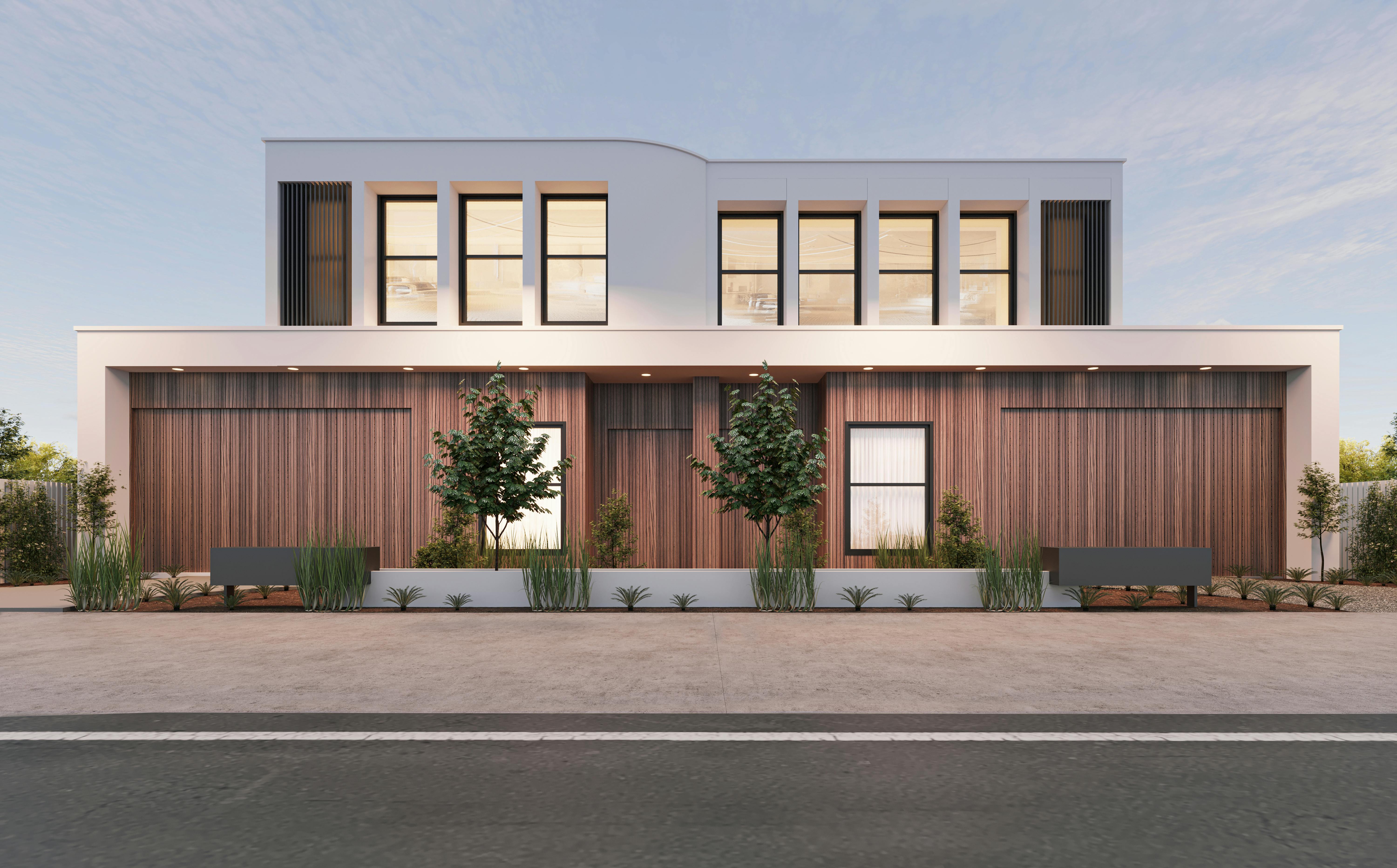
Dual occupancy developments have become an important part of Melbourne’s residential property landscape. As land prices continue to rise and available space becomes more limited, property owners are seeking innovative ways to maximise the use of their land without purchasing additional properties.
A dual occupancy project involves building two separate dwellings on a single block of land. These dwellings may be attached, semi-detached, or completely detached depending on the site’s characteristics and council regulations. The flexibility of dual occupancy developments makes them appealing to a wide range of homeowners and investors.
Before examining costs, it is important to understand what dual occupancy involves and why it has become such a popular development strategy throughout Melbourne.
What Is a Dual Occupancy Development?
A dual occupancy development refers to the construction of two residences on a single parcel of land. Depending on the property’s size and zoning, the existing home may remain while a second dwelling is added, or the original home may be demolished to make way for two newly constructed residences.
This type of development differs from apartment complexes or large-scale subdivisions because it focuses on creating two separate dwellings while maintaining the character of a residential neighbourhood. Each dwelling typically has its own living spaces, kitchen, bathroom facilities, and private outdoor area.
Dual occupancy projects are particularly attractive because they allow property owners to increase the utility of their land while potentially generating rental income or creating opportunities for future property sales.
Why Dual Occupancy Is Popular in Melbourne
Melbourne’s growing population and increasing property prices have contributed significantly to the popularity of dual occupancy developments. Many homeowners recognise that their land may have untapped potential that can be unlocked through strategic development.
For investors, dual occupancy projects provide an opportunity to generate income from two residences rather than one. This can improve rental returns and create greater long-term financial benefits. For families, dual occupancy can provide housing for adult children, ageing parents, or extended family members while maintaining a level of independence.
The flexibility and financial advantages associated with dual occupancy have made it one of the most sought-after development options in Melbourne’s residential market.
How Much Does It Cost to Build a Dual Occupancy in Melbourne?
The cost of building a dual occupancy in Melbourne can vary considerably depending on the scope of the project and the specific characteristics of the site. While there is no fixed price that applies to every development, understanding common cost ranges can help property owners establish realistic budgets.
Several elements contribute to the overall investment required. Construction costs, design fees, permits, site preparation, infrastructure upgrades, and landscaping all play a role in determining the final project cost. Working with experienced dual occupancy builders can help provide greater clarity regarding expected expenses.
Understanding the various cost categories is the first step toward evaluating the feasibility of a dual occupancy development.
Average Construction Costs for Dual Occupancy Projects
As a general guide, a dual occupancy project in Melbourne may cost anywhere from approximately $400,000 to well over $1 million, depending on the size and complexity of the development. Smaller projects involving a single additional dwelling behind an existing home may sit at the lower end of the range, while larger developments involving the demolition of an existing house and construction of two new residences may require a significantly higher investment.
Construction costs are influenced by factors such as dwelling size, design specifications, material quality, and labour requirements. Premium finishes and custom architectural features can increase costs substantially compared to more straightforward designs.
Because every site and project is unique, obtaining detailed cost estimates from qualified builders is essential before proceeding with development plans.
Costs for Retaining the Existing Home
One common dual occupancy strategy involves retaining the existing residence and constructing a second dwelling at the rear of the property. This approach can often reduce overall costs because demolition expenses are avoided.
Retaining the existing home may also allow homeowners to continue living on the property during construction, reducing temporary accommodation costs. However, the condition of the existing dwelling and the available land area must be carefully assessed to determine whether this approach is suitable.
Although retaining the original home can offer financial advantages, additional considerations such as driveway access, utility connections, and site constraints may influence the final project budget.
Costs for Knockdown and Rebuild Developments
Another common approach involves demolishing the existing dwelling and constructing two new homes on the site. This strategy often provides greater design flexibility and allows developers to maximise the use of available land.
However, demolition costs, site clearing expenses, and additional construction requirements typically result in higher overall project costs. Despite the larger investment, many property owners choose this option because it can increase resale value and create more attractive housing opportunities.
The decision between retaining an existing home and pursuing a complete redevelopment depends on the condition of the property, development goals, and financial considerations.
Factors That Influence Dual Occupancy Building Costs
The cost of a dual occupancy development is influenced by a wide range of factors. Understanding these variables can help property owners identify opportunities to manage expenses and make informed decisions throughout the planning and construction process.
Each project presents unique challenges that can affect both timelines and budgets. Working closely with experienced professionals can help minimise surprises and improve project outcomes.
Recognising the most significant cost factors allows for more accurate budgeting and planning.
Land Size and Site Conditions
The characteristics of the land have a major impact on development costs. Larger blocks generally provide more flexibility when designing dual occupancy projects, while smaller sites may require creative design solutions and additional planning considerations.
Site conditions such as slope, soil quality, drainage, and accessibility can also influence construction expenses. Difficult terrain often requires additional excavation, retaining structures, or specialised engineering solutions that increase costs.
Conducting thorough site assessments during the early planning stages helps identify potential challenges before construction begins.
Design Complexity and Layout
The complexity of the design directly affects construction costs. Simple and efficient layouts are generally more affordable to build because they require fewer specialised materials and construction techniques.
More elaborate designs featuring multiple levels, extensive glazing, architectural detailing, and custom finishes can significantly increase expenses. While these features may enhance visual appeal and property value, they also contribute to higher labour and material costs.
Balancing design aspirations with budget constraints is an important aspect of successful dual occupancy development.
Construction Materials and Finishes
Material selection plays a critical role in determining overall project costs. Standard materials typically provide a more cost-effective solution, while premium products can substantially increase the budget.
Choices relating to flooring, cabinetry, benchtops, roofing, windows, and external cladding all contribute to the final construction cost. While high-end finishes may improve aesthetics and durability, careful material selection can help achieve a desirable result without excessive spending.
Experienced dual occupancy builders often provide valuable guidance regarding materials that offer both quality and value.
Council Regulations and Approval Requirements
Every dual occupancy development must comply with local council regulations and planning requirements. Depending on the location and complexity of the project, obtaining the necessary approvals can involve considerable time and expense.
Planning permits, building permits, engineering reports, surveys, and other professional services may all be required before construction can commence. These costs should be factored into the overall project budget from the beginning.
Understanding council requirements early in the planning process can help avoid costly delays and unexpected expenses.
The Role of Dual Occupancy Builders in Melbourne
Choosing the right builder is one of the most important decisions in any dual occupancy project. Experienced dual occupancy builders provide the expertise needed to navigate the complexities of planning, design, approvals, and construction.
Their knowledge can help property owners maximise the potential of their land while ensuring compliance with relevant regulations. Builders also play a key role in controlling costs and maintaining construction quality throughout the project.
Working with experienced professionals often contributes significantly to the success of a dual occupancy development.
Planning and Feasibility Assessment
Before construction begins, dual occupancy builders typically assess the property’s development potential. This process involves evaluating land dimensions, zoning regulations, access requirements, and site constraints.
A thorough feasibility assessment helps determine whether the proposed development is practical and financially viable. It also provides valuable insight into expected costs, timelines, and potential returns.
Early planning reduces uncertainty and supports more informed decision-making.
Design and Development Management
Builders often collaborate with architects, designers, and consultants to develop plans that align with the client’s goals and budget. Their construction expertise allows them to identify practical design solutions that improve efficiency and reduce unnecessary expenses.
Managing the design process effectively helps ensure that the final plans can be built successfully while meeting both regulatory requirements and client expectations.
This collaborative approach often leads to better outcomes and smoother project delivery.
Construction and Quality Assurance
Once approvals have been obtained, the builder oversees the construction process and coordinates the various trades involved. This includes managing schedules, monitoring workmanship, and ensuring compliance with building standards.
Quality assurance is particularly important in dual occupancy developments because each dwelling must meet both functional and regulatory requirements. Professional oversight helps maintain construction quality and minimise costly errors.
Experienced builders also provide regular updates and communication throughout the project, helping property owners remain informed at every stage.
Additional Expenses to Consider
Many property owners focus primarily on construction costs when budgeting for a dual occupancy project. However, several additional expenses should also be considered to avoid unexpected financial pressures.
These costs can vary depending on the project’s location, scale, and complexity. Including them in the initial budget contributes to more accurate financial planning.
A comprehensive understanding of all project-related expenses helps improve overall project success.
Professional Fees and Consultant Costs
Dual occupancy developments often require the involvement of architects, town planners, surveyors, engineers, and other specialists. Their expertise is essential for obtaining approvals and ensuring the project complies with relevant regulations.
Professional fees can represent a significant portion of the overall budget, particularly for complex developments. However, investing in qualified consultants often helps prevent costly mistakes later in the process.
These services should be viewed as an important component of successful project planning.
Infrastructure and Utility Connections
Additional dwellings typically require separate utility connections and supporting infrastructure. Water, electricity, gas, drainage, and telecommunications services may all require upgrades or extensions.
The cost of these works varies depending on the site’s existing infrastructure and the requirements of local service providers. Factoring these expenses into the budget helps avoid surprises during construction.
Infrastructure upgrades are often essential for ensuring both dwellings operate independently and efficiently.
Landscaping and External Works
Landscaping and external improvements play an important role in the overall presentation and functionality of a dual occupancy development. Driveways, fencing, pathways, gardens, and outdoor living spaces all contribute to the finished result.
While these elements are sometimes overlooked during budgeting, they can represent a substantial expense. Well-designed landscaping can also enhance property value and improve buyer or tenant appeal.
Considering these costs from the outset helps create a more realistic development budget.
Frequently Asked Questions
How much does it cost to build a dual occupancy in Melbourne?
The cost can range from approximately $400,000 to more than $1 million, depending on the size of the development, design complexity, site conditions, and quality of finishes selected.
Is dual occupancy a good investment in Melbourne?
Dual occupancy can be an excellent investment because it allows property owners to maximise land use, generate additional rental income, and potentially increase property value through strategic development.
How long does it take to complete a dual occupancy project?
The timeframe varies depending on planning approvals, design complexity, and construction requirements. Most projects take several months to more than a year from the initial planning stage through to completion.
Conclusion
Building a dual occupancy in Melbourne can be a highly rewarding development strategy for homeowners and investors seeking to maximise the value of their land. While costs vary significantly depending on the project’s size, design, location, and construction requirements, understanding these factors helps create a realistic financial plan.
Working with experienced dual occupancy builders is essential for navigating the complexities of planning, approvals, design, and construction. Their expertise can help streamline the development process, manage costs effectively, and ensure a high-quality outcome. With careful planning and informed decision-making, a dual occupancy development can provide long-term financial benefits, increased property value, and greater flexibility for future housing needs.
Driving Space and Style into Your Home with Elite Garage Storage Solutions
Transforming a garage from a cluttered catch‑all into a functional, organised space requires more than a quick sweep and a few shelves. For many Australians, the garage plays multiple roles, bringing together vehicles, sporting gear, tools, garden equipment and seasonal boxes all in one area. Without an effective strategy, that indispensable space quickly becomes chaotic, limiting its usefulness and leaving you scrambling for what you need when you need it.
A tailored approach to storage not only elevates the appearance of the garage but also reshapes how you use it. Thoughtfully selected systems can unlock unused vertical areas, keep items accessible and safeguard your belongings against damage. Instead of stepping over scooters and shovels each time you enter the garage, picture a space where everything has its place and is easy to find.
Best garage storage systems Australia provide this transformation by using intelligent designs built for local homes and lifestyles. These systems acknowledge the diverse roles of modern garages and offer solutions that are both practical and enduring. With robust materials, flexible components and space‑maximising configurations, they turn a once neglected area into a space you can rely on every day.
Choosing a system that suits your needs boosts functionality and helps protect the investment you’ve made in your home while improving daily convenience.
Understanding Garage Storage Systems
What Defines a Garage Storage System
A garage storage system is not just a pair of shelves or a couple of boxes pushed against a wall. It’s a comprehensive organisational strategy designed to maximise available space and create accessible storage. These systems often combine wall‑mounted panels, hooks, baskets and shelving that work together to lift items off the floor and into orderly positions. The primary aim is to make the garage safer and more functional while giving everything a specific place in the space.
A well‑designed system spreads storage across floor, wall and overhead areas, which helps avoid the typical clutter that builds up over time. With adjustable components, homeowners can adapt their setup as their needs change, whether that’s more room for tools, bikes or outdoor gear. These solutions are especially effective in Australian homes where garages serve as more than just parking spaces and often function as workshops or active storage zones.
Materials and Construction Types
Garage storage systems come in a range of materials, each suited to different storage needs. Heavy‑gauge steel shelving adds strength for bulky boxes and equipment, while PVC or composite wall panels resist moisture and are easier to clean, making them ideal for humid or dusty environments. Panels designed specifically for garage use are often more resilient than improvised indoor cabinetry and are engineered to withstand heavy loads common to garages.
Durability matters because garages are typically subjected to temperature fluctuations and more abrasive conditions than the interior of a home. Quality systems use reinforced wall panels and heavy‑duty fasteners to ensure stability and longevity. By investing in these materials, the storage solution not only performs better but also lasts longer without sagging or deteriorating.
Choosing Between Freestanding and Wall‑Mounted
Freestanding shelving units have long been a go‑to for basic storage needs, but wall‑mounted systems offer significant advantages by using vertical space and freeing up the garage floor. Wall‑mounted panels and hooks bring clarity and order to items that would otherwise be stacked haphazardly, making frequently used tools and gear more accessible.
Freestanding units still have a place, particularly for heavy and irregularly shaped items, but when combined with wall‑mounted systems, they create a more layered approach that distributes storage intelligently across the entire space. This hybrid strategy helps homeowners keep bulk items on sturdy shelves while hanging lighter tools and equipment where they can be quickly reached.
Wall Storage Systems Explained
The Backbone of Vertical Organisation
Wall storage systems form the core of many premium garage organisation solutions, offering a flexible grid of panels that support hooks, shelves and baskets. By securing shelving and accessories directly to the wall, these systems free up floor space and keep items visible so you know what you have at a glance.
These panels often allow for endless configuration options, letting you swap out hooks for shelves as storage needs evolve. That level of adaptability means you aren’t locked into one layout forever but can refine and expand your system over time.
Accessory Variety and Customisation
The true strength of a wall storage system lies in its accessories. From bike hooks to tool racks, baskets for smaller items and shelves for larger gear, these add‑ons let you tailor the system to your lifestyle. Some specialised hooks even carry heavier loads, making them suitable for bikes or bulkier tools, while baskets can corral sports equipment or car care products efficiently.
Customisation is not only about variety but also about placement. Adjustable hooks and shelves mean you can change their positions as your collection of items changes. This keeps the system fresh and useful year after year without requiring costly replacements.
Installation and Layout Considerations
Proper installation is essential to the performance of a wall‑mounted system. Panels must be anchored securely into studs or masonry to handle significant weight without pulling away from the wall. Once installed, the system becomes a long‑term structure that supports a range of garage activities.
The layout should consider how frequently items are used, with everyday tools positioned at eye level and seasonal gear higher up. Organising by frequency of use reduces frustration and enhances the overall efficiency of the garage workspace.
Designing Around Everyday Needs
Workshops and Hobby Zones
Many Australians use their garage as a workshop or hobby area, and storage systems contribute directly to that functionality. With tool racks and dedicated shelves for project materials, you can keep your work area clear and organised, accelerating productivity. Wall systems help segregate work zones from storage areas, ensuring you always have ready access to the tools and supplies you need.
Bikes and Sporting Equipment
Families often struggle with how to store bikes, surfboards and other sports gear that take up floor space. Wall‑mounted hooks and specialised racks offer a solution by lifting these items out of the way while still keeping them accessible. For surfboards in coastal regions or multiple bikes in larger households, vertical storage utilising wall panels works exceptionally well.
Sporting gear like balls, racquets and helmets can be stored in baskets or on adjustable shelves, making it easier to prepare for outings without rummaging through boxes.
Seasonal and Outdoor Gear
Garage storage systems can accommodate outdoor and seasonal items such as camping gear, garden tools and holiday decorations. The adaptability of wall‑mounted systems means that even bulky or awkward items have designated spots without crowding essential floor space. This keeps the garage organised throughout the year and simplifies transitions between seasons.
Maintaining Your Garage System
Regular Review and Adjustment
Once installed, a storage system should not stay static. Reviewing your setup every few months to adjust placements and swap accessories keeps it aligned with changing needs. This ongoing maintenance improves usability and ensures you don’t revert to cluttered habits.
Cleaning and Care
Maintaining clean surfaces and hardware helps storage components perform well over time. Wiping down panels and hooks and periodically checking fasteners prevents dust build‑up and loosening. As garages are exposed to more environmental variation than indoor rooms, careful upkeep extends the longevity of your investment.
Expanding Your System
As needs grow, so can your garage storage system. Adding modules or extra accessories is simple when the base infrastructure is flexible. This incremental upgrade path lets you expand without a full overhaul, saving cost and time while keeping storage effective.
Frequently Asked Questions
How do I decide if I need a wall‑mounted system or freestanding shelving in my garage?
Start by assessing what you need to store and how often you access it. If most items are used frequently, wall‑mounted panels and hooks keep them visible and accessible. Freestanding shelving works well for heavier, infrequently accessed bins and tools. Combining both gives the most balanced organisation.
Can garage storage systems handle heavy equipment?
Yes, many high‑quality systems are engineered for robust load capacities with reinforced panels and metal accessories capable of supporting heavy tools, bikes and gear. Proper installation into studs or masonry ensures stability for these loads.
Will installing these systems increase my home’s value?
Organised and functional storage spaces have a strong appeal for home buyers and can improve overall property usability, which can indirectly enhance value. Well‑designed storage suggests a well‑maintained home, which is favourable in the market.
Conclusion
Effective garage storage systems reshape how you use one of the most versatile spaces in your home, elevating it from a cluttered storage area to a highly organised, functional zone. By choosing solutions that maximise vertical space, use durable materials and offer customisation, you ensure your garage works for your lifestyle and adapts over time. With thoughtful planning and quality installation, you achieve a space that’s easier to use, safer and tailored to your everyday needs.
Vineyards Draped in Candlelight and Velvet Skies for an Unforgettable Celebration
The romance of a winery wedding carries a distinct atmosphere that traditional event spaces rarely capture. Rolling vines, warm timber interiors, sweeping landscapes and refined dining experiences create a setting that feels immersive from the moment guests arrive. Couples searching for a celebration that feels elegant yet deeply personal are increasingly drawn to vineyard estates that combine natural beauty with polished hospitality.
Modern wedding styling has also shifted toward experiences rather than simple decoration. Guests now remember the ambience, the cuisine, the flow of the evening and the emotional connection between the surroundings and the celebration itself. Winery estates offer that balance effortlessly through sophisticated architecture, curated wine selections and panoramic ceremony settings that transform throughout the day.
Luxury winery wedding venue Melbourne experiences continue to attract couples who want their wedding to feel timeless rather than trend-driven. The appeal lies in more than scenery alone. Vineyard venues create a sense of intimacy and exclusivity while still accommodating lavish receptions, multi-course dining and unforgettable outdoor ceremonies under open skies.
A carefully chosen winery estate allows every part of the wedding day to feel cohesive. From golden hour photography among the vines to candlelit receptions inside barrel rooms or modern dining halls, the setting becomes part of the story itself. Couples are no longer simply hiring a venue. They are curating an atmosphere that reflects sophistication, warmth and celebration in equal measure.
Vineyard Estates That Turn Ceremonies Into Cinematic Moments
Golden Hour Creates an Unmatched Atmosphere
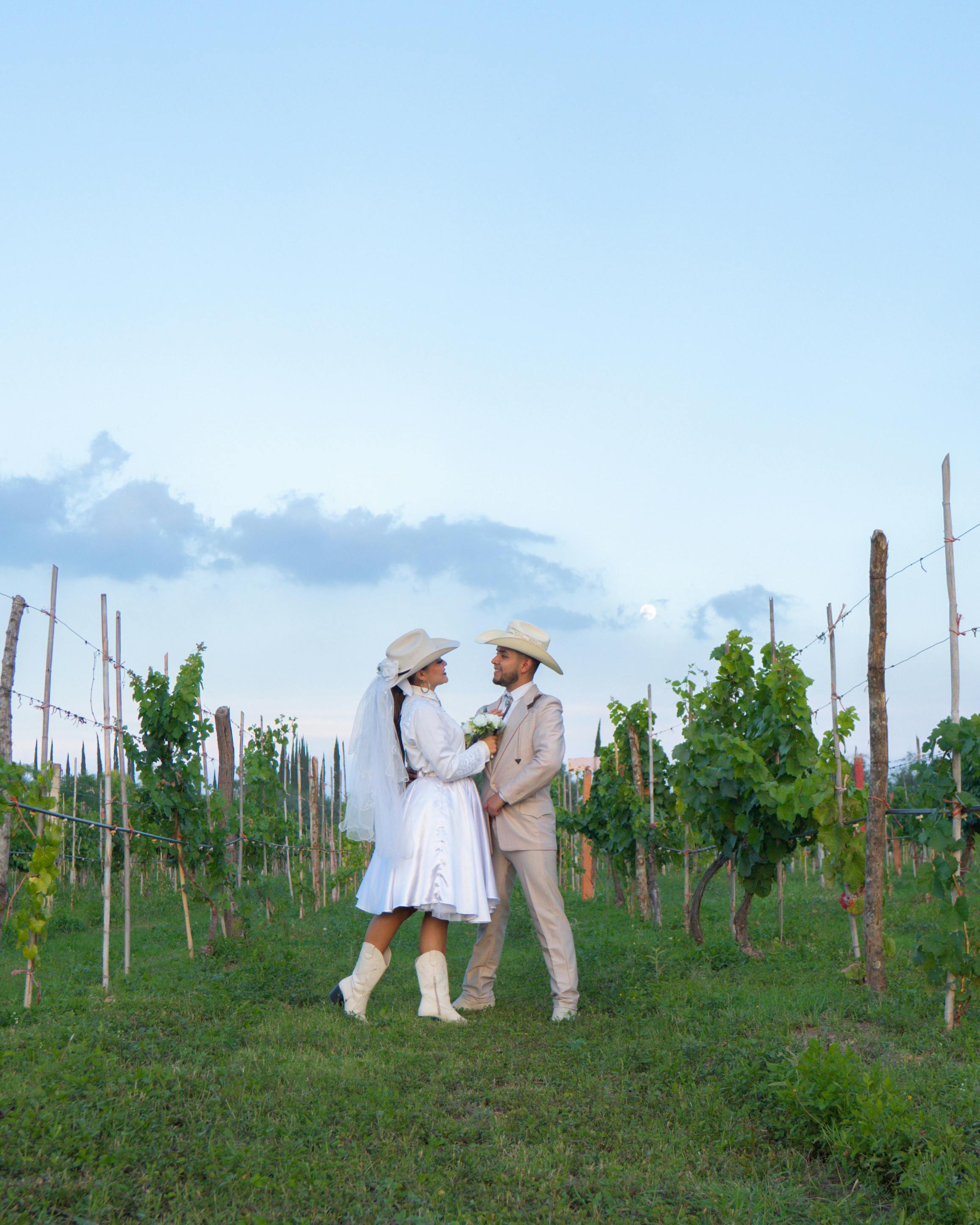
One of the defining features of a winery wedding is the way natural light transforms the environment throughout the day. Late afternoon ceremonies are particularly popular because vineyards glow under warm amber tones that create remarkable wedding photography without excessive staging. The scenery naturally enhances every image, from aisle walks to intimate portraits among the vines.
As the sun lowers across the landscape, guests experience a gradual shift in ambience that feels organic and luxurious. Outdoor ceremonies become softer and more romantic while reception spaces begin glowing with candles and ambient lighting. This transition creates a seamless emotional progression from ceremony to celebration.
Architecture Adds Character Without Excess
Many vineyard estates combine rustic textures with contemporary finishes. Exposed timber beams, stone walls, floor-to-ceiling windows and dramatic wine cellars contribute visual depth that standard reception halls often lack. These architectural details allow couples to achieve an elevated aesthetic without overwhelming decorations.
The venue itself becomes part of the design language. Minimal floral arrangements can still look luxurious because the surroundings already provide texture, warmth and atmosphere. Couples wanting understated elegance often appreciate this naturally refined backdrop.
Seasonal Landscapes Enhance the Celebration
Winery venues transform beautifully across different seasons. Summer weddings showcase lush green vines and long twilight evenings, while autumn ceremonies introduce rich earthy tones and dramatic foliage. Even cooler months can feel remarkably intimate with fireplaces, candlelit interiors and misty vineyard landscapes adding mood and sophistication.
This adaptability gives couples greater freedom to shape the emotional tone of their wedding day while still maintaining a cohesive luxury aesthetic.
Refined Dining Experiences That Elevate Every Reception
Estate Wines Create a Strong Sense of Occasion
A winery celebration naturally places exceptional wine at the centre of the guest experience. Estate-produced vintages paired with carefully crafted menus help create a reception that feels immersive and memorable. Rather than functioning as a simple beverage service, wine becomes integrated into the storytelling of the event itself.
Couples often incorporate vineyard tastings during planning stages to select pairings that complement each course. This creates a personalised dining experience that guests genuinely remember long after the evening ends.
Farm-Inspired Menus Bring Authentic Elegance
Winery kitchens frequently focus on seasonal produce and locally inspired cuisine. This emphasis on freshness allows wedding menus to feel sophisticated without becoming overly formal. Guests enjoy refined meals that still feel warm, generous and celebratory.
Shared dining tables, artisan desserts and curated tasting menus all work particularly well within vineyard settings because the atmosphere encourages relaxed luxury rather than rigid formality. The balance between refinement and comfort often becomes one of the most praised aspects of winery receptions.
Reception Flow Feels More Organic
Unlike many conventional venues, winery estates typically provide multiple spaces that naturally guide the celebration from one stage to another. Guests may begin with drinks overlooking the vines, move toward a formal dinner indoors and later transition into dance areas illuminated by soft lighting and candles.
This movement prevents the event from feeling static. Each space reveals a slightly different atmosphere while still maintaining visual cohesion throughout the evening.
Wedding Photography Gains Depth and Natural Drama
Vine Rows Offer Timeless Visual Symmetry
Photographers are drawn to winery venues because vineyards provide structured yet natural composition opportunities. Long rows of vines create perspective and symmetry while soft landscapes prevent images from feeling rigid or artificial.
Portrait sessions within vineyard grounds often require minimal direction because the scenery naturally frames couples in visually striking ways. This creates photographs that feel cinematic while still retaining authenticity.
Indoor Spaces Add Editorial Sophistication
Wine cellars, tasting rooms and contemporary dining spaces offer dramatic contrasts to outdoor landscapes. Couples can move between rustic textures and polished architectural details without leaving the property. This variety creates a wedding gallery that feels visually layered and dynamic.
Dark timber interiors paired with candlelight often produce especially striking evening photography. These spaces capture intimacy and elegance in ways that traditional ballrooms may struggle to replicate.
Seasonal Weather Enhances Mood
Even cloudy or lightly rainy conditions can enhance winery photography rather than diminish it. Mist rolling across vines or moody skies above sprawling landscapes often creates remarkably atmospheric images. Vineyard venues possess a cinematic quality that adapts beautifully to changing weather conditions.
Because of this versatility, couples rarely feel restricted by seasonal unpredictability. The environment itself continues contributing visual drama regardless of conditions.
Guest Experiences Feel More Immersive and Memorable
Vineyard Settings Encourage Relaxed Luxury
Guests attending winery weddings often describe the experience as feeling more personal and immersive than traditional receptions. The expansive environment encourages conversation, exploration and connection rather than keeping everyone confined within a single ballroom.
Outdoor terraces, wine tasting spaces and landscaped gardens allow guests to engage with the venue throughout the evening. This creates a relaxed atmosphere while still maintaining a polished and sophisticated tone.
Weekend Celebrations Become More Appealing
Many couples now extend their wedding into multi-day experiences that include rehearsal dinners, recovery brunches, and accommodation stays nearby. Winery estates support this style of celebration beautifully because the setting already feels like a destination escape.
Guests appreciate the slower pace and scenic environment, while couples gain additional opportunities to spend meaningful time with family and friends. The wedding evolves from a single event into an immersive celebration.
Personalisation Feels More Natural
Vineyard weddings provide remarkable flexibility for custom styling and experiences. Couples can incorporate wine blending activities, outdoor lounges, live acoustic performances or candlelit long table dinners without the celebration feeling forced or overly themed.
The environment already carries a strong identity and character, allowing personal details to integrate organically into the overall experience.
Styling Choices That Complement Winery Elegance
Textured Decor Enhances the Natural Setting
Winery venues respond beautifully to layered textures and organic styling elements. Linen tablecloths, stoneware plates, taper candles and soft floral arrangements complement the vineyard surroundings without competing for attention.
Many couples choose earthy palettes, warm neutrals or muted seasonal tones because these colours harmonise naturally with vineyard landscapes and timber interiors. The result feels refined, timeless and visually cohesive.
Statement Lighting Transforms Evening Receptions
Lighting plays a particularly important role in winery celebrations because vineyard estates often feature dramatic ceilings, open terraces and expansive dining areas. Hanging installations, candle clusters, and warm ambient lighting can completely transform the atmosphere after sunset.
The contrast between glowing reception spaces and dark vineyard surroundings creates remarkable intimacy and visual impact throughout the evening.
Fashion Choices Align Beautifully With the Setting
Winery weddings encourage fashion that feels sophisticated yet relaxed. Structured gowns with flowing fabrics, tailored suits in lighter tones and refined accessories all complement the setting effortlessly. Couples often gravitate toward understated luxury rather than heavily embellished styling.
This aesthetic consistency contributes to the timeless quality that vineyard weddings are known for. Every visual element feels connected without appearing overly coordinated.
Frequently Asked Questions
Why are winery weddings considered luxurious?
Winery weddings are associated with luxury because they combine scenic landscapes, refined dining, premium wines and elegant architecture within one immersive setting. The experience feels curated from start to finish, creating a celebration that balances sophistication with warmth and intimacy.
What season works best for a winery wedding?
Each season offers a different atmosphere for vineyard weddings. Summer provides vibrant greenery and long evenings, while autumn introduces rich colours and romantic textures. Cooler seasons can also feel incredibly elegant with candlelit interiors, fireplaces and dramatic scenery enhancing the ambience.
Are winery venues suitable for large weddings?
Many winery estates are designed to accommodate both intimate gatherings and larger celebrations. Expansive outdoor ceremony areas, multiple reception spaces and flexible layouts allow venues to adapt comfortably while still maintaining an exclusive atmosphere.
Conclusion
A winery wedding offers far more than an attractive backdrop. It creates an atmosphere that feels immersive, refined and emotionally memorable from beginning to end. The combination of natural landscapes, sophisticated dining, architectural character and warm hospitality allows couples to design a celebration that feels deeply personal while still carrying undeniable elegance.
From candlelit receptions to sunset ceremonies among the vines, every detail contributes to a wedding experience that guests remember long after the evening finishes. Vineyard estates continue to captivate modern couples because they deliver authenticity, luxury and timeless romance within one unforgettable setting.
Building Better Living Spaces Through Smart Home Plastering Choices
A home is more than a structure made of bricks, timber, and concrete. It is a place where families gather, memories are created, and daily life unfolds. While homeowners often focus on furniture, flooring, kitchens, and paint colours, one of the most influential elements of a comfortable and attractive home lies beneath the final decorative layer: the plastering. Quality plastering provides the foundation that determines how walls and ceilings look, feel, and perform over time.
Home plastering Solutions have evolved significantly over the years. Modern homeowners can choose from a variety of plastering systems designed to meet different functional and aesthetic requirements. Some solutions prioritise durability, while others focus on moisture resistance, decorative appeal, insulation, or smooth finishes. Understanding these options is important because the type of plaster used can affect not only the appearance of a room but also its longevity and maintenance needs.
One of the most common questions asked by homeowners planning renovations or new builds is: Which type of plastering is best? The answer depends largely on the purpose of the room, the condition of the existing surfaces, environmental factors, and the desired finish. There is no single plastering solution that works perfectly for every situation. Instead, the best plastering system is one that matches the specific requirements of the space while delivering durability, visual appeal, and long-term performance.
Whether upgrading an older home, constructing a new property, or refreshing interior spaces, selecting the right plastering solution can make a substantial difference. This guide explores various home plastering options, their benefits, applications, and how homeowners can determine the best solution for different areas of the house.
Why Plastering Is One of the Most Important Elements of Interior Design
Many people think of plastering as simply preparing walls for paint, but its role extends much further.
Creating a Smooth Foundation
Every decorative finish relies on the condition of the surface beneath it. Smooth, professionally plastered walls allow paint, wallpaper, and decorative treatments to achieve their full visual impact.
Poorly finished surfaces can create shadows, visible imperfections, and uneven textures that remain noticeable even after decorating.
Improving Structural Protection
Plaster serves as a protective layer between interior living spaces and the underlying wall system. It helps shield framing, insulation, and building components from everyday wear and environmental influences.
This additional layer contributes to the longevity of the home’s structure and interior surfaces.
Enhancing Indoor Comfort
Quality plastering contributes to acoustic control, thermal efficiency, and overall room comfort. Certain plaster systems can help regulate temperature and reduce sound transmission between rooms.
These benefits become especially valuable in modern homes where open-plan living and flexible spaces are increasingly common.
Understanding Modern Home Plastering Solutions
Today’s homeowners have access to a wider range of plastering materials than ever before.
Traditional Wet Plaster Systems
Traditional plaster involves applying multiple coats directly onto walls and ceilings. This method has been used for centuries and remains popular in heritage properties and high-end custom homes.
Its strength, durability, and solid feel make it attractive for homeowners seeking premium finishes.
Gypsum Plaster Solutions
Gypsum plaster is widely used because it creates smooth finishes, dries relatively quickly, and works well in most interior environments.
Its versatility makes it one of the most common plastering materials in residential construction.
Plasterboard Systems
Plasterboard, often referred to as drywall, combines gypsum material with paper facing to create large wall and ceiling panels.
These systems offer fast installation, cost efficiency, and compatibility with modern construction methods.
Decorative Plaster Finishes
Decorative plaster solutions focus on aesthetics as much as functionality. These include Venetian plaster, textured finishes, polished plaster, and architectural feature walls.
Decorative systems allow homeowners to create unique visual experiences throughout the home.
Which Type of Plastering Is Best for New Homes
The ideal plastering solution depends on project goals and budget considerations.
Plasterboard and Skim Coat Combinations
For many modern homes, plasterboard finished with a skim coat provides an excellent balance of cost, speed, and appearance.
This approach creates smooth surfaces while keeping construction timelines efficient.
Full Wet Plaster Systems
Premium custom homes sometimes utilise full wet plaster systems due to their durability and luxurious finish quality.
Although more labour-intensive, they can provide exceptional results when completed by experienced professionals.
Hybrid Solutions
Many builders combine different plastering methods throughout the home. For example, plasterboard may be used for most rooms while decorative plaster is applied in feature areas.
This approach allows homeowners to achieve both functionality and visual distinction.
Choosing the Right Plaster for Living Rooms
Living rooms are often the focal point of a home.
Smooth Contemporary Finishes
Modern living spaces frequently benefit from smooth plastered walls that support minimalist design trends.
Clean surfaces help natural light spread evenly throughout the room while providing flexibility for future decorating changes.
Decorative Statement Walls
Decorative plaster can transform a living room into a visually striking space without relying heavily on artwork or accessories.
Textured finishes create depth and character while maintaining a sophisticated appearance.
Durability Considerations
Because living rooms experience regular use, durable plaster finishes help maintain their appearance for longer periods.
Quality workmanship reduces the likelihood of visible damage and future repairs.
Best Plastering Solutions for Bedrooms
Bedrooms require a different balance of functionality and comfort.
Creating a Calm Environment
Smooth plaster finishes contribute to a sense of order and relaxation.
The absence of visible imperfections creates a cleaner and more peaceful atmosphere.
Supporting Soft Interior Designs
Neutral paint colours and soft furnishings perform best when paired with high-quality plaster surfaces.
Even walls allow decorative elements to stand out without distraction.
Acoustic Benefits
Certain plastering systems help reduce sound transmission, contributing to a quieter sleeping environment.
This can be especially valuable in busy households or urban locations.
Plastering Solutions for Kitchens
Kitchens present unique challenges due to heat, moisture, and frequent activity.
Moisture Resistance
Kitchen walls are exposed to steam and humidity on a regular basis.
Choosing suitable plaster materials helps prevent deterioration and maintain surface integrity.
Easy Maintenance
Smooth plaster surfaces are easier to clean and maintain compared to heavily textured alternatives.
This makes them practical for busy cooking environments.
Supporting Modern Designs
Contemporary kitchens often feature sleek finishes and minimal visual clutter.
High-quality plastering complements these design goals effectively.
Bathroom Plastering Considerations
Bathrooms require specialised attention due to constant moisture exposure.
Moisture-Resistant Systems
Standard plaster may not perform adequately in high-humidity environments.
Specialised moisture-resistant products help protect walls and ceilings from long-term damage.
Preventing Surface Deterioration
Proper plastering reduces the likelihood of bubbling, cracking, or peeling caused by moisture intrusion.
This contributes to lower maintenance requirements over time.
Supporting Waterproofing Systems
Professional plastering often works alongside waterproofing measures to create durable bathroom environments.
The combination improves both performance and longevity.
Why Ceiling Plastering Matters More Than Most Homeowners Realise
Ceilings influence the perception of space more than many people realise.
Creating Visual Balance
Smooth ceilings help rooms feel larger, brighter, and more cohesive.
Even minor imperfections can become highly visible when illuminated by overhead lighting.
Improving Light Reflection
Quality plaster finishes distribute light more evenly throughout a room.
This enhances both natural and artificial lighting performance.
Supporting Modern Ceiling Features
Contemporary homes increasingly incorporate recessed lighting, bulkheads, and architectural ceiling details.
Professional plastering ensures these features integrate seamlessly into the overall design.
Decorative Plaster as a Design Feature
Decorative plastering has become increasingly popular in modern homes.
Venetian Plaster
Venetian plaster creates a luxurious finish that resembles polished stone or marble.
Its depth and visual movement add sophistication to feature walls and premium interiors.
Textured Finishes
Textured plaster introduces character without overwhelming a space.
Subtle textures often work well in contemporary homes seeking warmth and individuality.
Architectural Elements
Decorative plaster can also be used to create cornices, ceiling roses, arches, and custom mouldings.
These details add architectural interest and timeless appeal.
Common Mistakes When Choosing Home Plastering Solutions
Many homeowners focus solely on cost when evaluating plastering options.
Ignoring Room Conditions
Different rooms have different environmental requirements.
Using inappropriate materials can lead to future performance issues.
Choosing Based Only on Appearance
A finish that looks attractive initially may not be the most practical option for the intended space.
Functionality should always be considered alongside aesthetics.
Overlooking Long-Term Maintenance
Certain finishes require more upkeep than others.
Understanding maintenance requirements helps homeowners make informed decisions.
The Value of Professional Plastering Services
Quality plastering requires technical skill, experience, and attention to detail.
Better Surface Consistency
Professional plasterers achieve smoother finishes and cleaner transitions.
Their expertise contributes to higher-quality results throughout the home.
Improved Durability
Proper application techniques reduce the likelihood of cracking, separation, and premature wear.
This helps homeowners avoid costly repairs later.
Enhanced Property Appeal
Well-finished interiors contribute significantly to property presentation.
Prospective buyers often notice smooth walls and ceilings immediately during inspections.
Future Trends in Home Plastering
The plastering industry continues evolving alongside modern design preferences.
Sustainable Materials
Environmentally conscious products are becoming increasingly popular among homeowners.
These materials support sustainable construction practices without sacrificing performance.
Natural Finishes
Organic textures and mineral-based plasters are gaining attention for their unique appearance and eco-friendly qualities.
Customised Interiors
Homeowners are increasingly using plaster as a design element rather than simply a construction necessity.
This trend encourages greater creativity and individuality within residential spaces.
Frequently Asked Questions
Which type of plastering is best?
The best type of plastering depends on the specific project. For most modern homes, plasterboard with a skim coat offers excellent value and performance. Decorative plaster may be ideal for feature areas, while moisture-resistant systems are best suited to bathrooms and kitchens.
Is traditional plaster better than plasterboard?
Traditional plaster offers exceptional durability and a premium feel, but it generally requires more labour and higher costs. Plasterboard provides faster installation and remains highly effective for most residential applications.
Can decorative plaster be used throughout a home?
Yes, although it is often used selectively in feature walls, entryways, living rooms, or luxury spaces to create visual impact without overwhelming the design.
Conclusion
Choosing the right home plastering solution is about more than creating smooth walls. It involves understanding how different plaster systems perform in various environments and selecting materials that align with both functional needs and design goals. From practical plasterboard installations to sophisticated decorative finishes, modern homeowners have access to solutions that enhance comfort, durability, and visual appeal.
When asking which type of plastering is best, the answer ultimately depends on the room, the desired finish, and long-term expectations. A carefully planned plastering strategy ensures every area of the home performs effectively while contributing to a cohesive and attractive interior. By investing in the right plastering solution from the beginning, homeowners can create living spaces that remain beautiful, comfortable, and resilient for many years to come.
Chandeliers City Lights and Celebrations That Feel Effortless in Melbourne
A wedding reception is more than a formal gathering after the ceremony. It becomes the setting for heartfelt speeches, late-night dancing, unforgettable photographs, and the kind of atmosphere guests remember long after the final song. Melbourne has earned a reputation for creating celebrations that feel refined yet welcoming, offering couples the chance to host a reception that feels deeply personal without sacrificing elegance.
The city’s reception spaces continue to evolve with modern styling, exceptional dining experiences, and flexible event designs that suit intimate celebrations as well as grand occasions. Couples are no longer searching for a standard ballroom alone. They want immersive experiences that reflect their personalities, aesthetics, and cultural traditions. Melbourne delivers this balance with remarkable consistency.
Wedding reception venue Melbourne options stand out because they combine architectural beauty with service that understands the importance of timing, atmosphere, and detail. From sophisticated industrial conversions to luxury rooftop spaces filled with city lights, the variety available allows couples to shape a celebration that feels entirely their own.
The appeal of Melbourne also comes from the way each neighbourhood contributes a different mood. Some venues capture timeless romance with historic interiors, while others embrace contemporary styling with dramatic lighting and open-plan layouts. This diversity gives couples the freedom to create a wedding reception that feels authentic rather than predictable.
Reception Spaces That Match Every Celebration Style
Elegant Ballrooms That Still Feel Contemporary
Many couples are drawn to classic ballroom receptions because they create a sense of occasion from the moment guests arrive. Melbourne’s modern ballroom venues have evolved far beyond traditional styling. Crystal chandeliers, polished flooring, ambient lighting, and refined décor are now paired with minimalist aesthetics and updated interiors that avoid feeling outdated.
These spaces often provide expansive dance floors, elevated stages for entertainment, and generous seating layouts that allow guests to move comfortably throughout the evening. Couples can host formal receptions while still introducing modern styling choices through florals, lighting installations, and customised table settings.
Ballrooms also remain practical for larger celebrations because they are designed to handle guest flow seamlessly. This allows receptions to maintain an energetic atmosphere without appearing overcrowded or disorganised.
Industrial Venues With Character and Warmth
Industrial-inspired reception venues have become increasingly popular because they offer personality and texture that feel naturally stylish. Exposed brick, high ceilings, steel beams, and warehouse conversions create a striking backdrop for contemporary weddings.
Melbourne’s industrial spaces often combine raw architecture with soft lighting, elegant furniture, and dramatic floral arrangements. This contrast creates a sophisticated atmosphere that feels artistic and memorable without becoming overly formal.
These venues also provide flexibility for couples who want creative control over styling. Whether the reception includes long shared dining tables, live music, statement lighting, or modern cocktail arrangements, industrial venues adapt beautifully to personalised themes.
Garden Reception Settings With Romantic Appeal
For couples seeking a softer atmosphere, garden-inspired venues offer a calm and romantic setting that photographs beautifully from day to night. Many Melbourne reception venues incorporate landscaped courtyards, vine-covered terraces, and indoor-outdoor transitions that create a natural sense of flow.
Evening receptions become especially captivating in these environments. Warm lighting, candlelit pathways, and greenery surrounding dining spaces contribute to an atmosphere that feels intimate and relaxed.
Garden venues are particularly appealing because they allow couples to combine elegance with comfort. Guests often feel more connected to the environment, creating a reception atmosphere that feels welcoming rather than overly structured.
Rooftop Venues Filled With City Energy
Rooftop receptions continue to attract couples who want a modern celebration with dramatic views and a lively atmosphere. Melbourne’s skyline creates a visually stunning backdrop, particularly as evening lights begin to illuminate the city.
These venues often feature contemporary interiors, floor-to-ceiling windows, and stylish terraces designed for cocktails and socialising. Rooftop receptions naturally encourage movement and interaction, helping the evening feel energetic from beginning to end.
The visual impact of a rooftop venue also enhances photography significantly. Sunset portraits, skyline views, and nighttime city lights create wedding albums that feel cinematic and polished.
Food and Dining Experiences Guests Actually Remember
Menus Designed Around Seasonal Produce
One of the strongest features of Melbourne wedding receptions is the quality of dining experiences available. Reception venues increasingly focus on fresh seasonal produce and thoughtfully designed menus rather than generic banquet-style meals.
Guests now expect more than a standard three-course dinner. Couples often work closely with chefs to create menus that reflect personal tastes, cultural traditions, and modern dining preferences. Seasonal ingredients allow dishes to feel vibrant, refined, and memorable.
This attention to food quality elevates the entire reception experience because dining becomes part of the celebration rather than a simple formality between speeches and dancing.
Flexible Dining Styles for Different Atmospheres
Modern receptions are moving away from rigid dining structures. Melbourne venues now accommodate a wide range of dining formats that suit different celebration styles and guest experiences.
Shared feasting tables create a relaxed and social atmosphere that encourages conversation among guests. Cocktail-style receptions provide movement and flexibility, allowing guests to mingle naturally throughout the evening. Formal plated dinners remain popular for couples seeking timeless elegance and structured service.
This flexibility gives couples greater creative control over how the reception feels emotionally. Dining becomes part of the storytelling rather than simply a scheduled component of the evening.
Beverage Packages That Enhance the Celebration
A memorable reception often depends on more than food alone. Beverage selections contribute significantly to the mood and energy of the event. Melbourne venues frequently offer curated beverage packages that include premium wines, handcrafted cocktails, and personalised drink selections.
Couples increasingly incorporate signature cocktails inspired by personal stories, favourite destinations, or shared memories. This detail helps create a more personalised guest experience while adding another visual element to the reception styling.
Professional beverage service also ensures that guests remain comfortable and engaged throughout the celebration, allowing the evening to flow naturally from speeches to dancing and late-night festivities.
Late-Night Dining That Keeps the Energy Alive
As receptions continue later into the evening, venues often provide additional dining options designed to maintain the atmosphere and energy of the celebration. Late-night snack stations, dessert bars, and freshly prepared comfort food have become increasingly popular additions.
These details may appear small, but they contribute significantly to guest satisfaction. Providing thoughtful food options later in the evening keeps guests energised and encourages the celebration to continue without losing momentum.
Styling and Atmosphere That Create Lasting Impressions
Lighting That Shapes the Entire Mood
Lighting plays a defining role in how a reception feels. Melbourne venues increasingly use layered lighting techniques to transform spaces throughout the evening. Soft ambient lighting during dinner often shifts into dramatic effects as dancing and entertainment begin.
Candles, pendant lights, fairy lights, and architectural uplighting all contribute to a more immersive atmosphere. The right lighting also enhances photography by creating warmth and depth in every image captured throughout the reception.
Couples now prioritise lighting as part of the overall design strategy because it influences how guests emotionally experience the celebration.
Floral Design That Feels Personal
Floral styling remains central to wedding receptions, yet modern arrangements now focus more on personality and atmosphere rather than excess. Melbourne florists frequently create installations that feel artistic and tailored to the venue itself.
Some couples prefer soft romantic arrangements with neutral palettes and cascading greenery, while others choose dramatic floral sculptures filled with colour and texture. Reception venues often collaborate closely with florists to ensure the styling complements the architecture and layout of the space.
This attention to visual harmony creates a reception that feels cohesive and thoughtfully designed from beginning to end.
Entertainment That Fits the Venue Energy
Entertainment has evolved significantly in modern receptions. Rather than relying solely on traditional wedding bands or DJs, many couples now curate entertainment experiences that align with the mood of their chosen venue.
Acoustic musicians may create intimacy during dinner service, while live bands and energetic DJs transform the atmosphere later in the evening. Some receptions incorporate cultural performances, interactive experiences, or visual entertainment to create memorable moments for guests.
Melbourne venues are particularly well-equipped to support varied entertainment styles because many spaces are designed with adaptable acoustics, staging areas, and technical capabilities.
Photography Opportunities Built Into the Venue
Reception venues increasingly influence the visual storytelling of the wedding itself. Melbourne locations often provide diverse photographic opportunities within a single venue, allowing couples to capture different moods throughout the evening.
Architectural details, rooftop terraces, dramatic staircases, heritage interiors, and city views all contribute to a visually rich wedding album. The ability to transition between multiple backdrops without leaving the venue also improves timing and reduces stress during the reception.
Couples appreciate venues that naturally support photography because every visual element contributes to preserving the atmosphere and emotion of the celebration.
Convenience That Makes the Entire Experience Smoother
Accessible Locations for Guests
Convenience matters significantly when planning a reception. Melbourne venues are often positioned near accommodation, transport, and entertainment districts, making it easier for guests to attend and enjoy the evening comfortably.
Central locations reduce travel complications and help maintain the energy of the celebration. Guests can arrive relaxed rather than stressed by lengthy travel arrangements or difficult parking situations.
This accessibility also benefits couples managing interstate family members, older relatives, or guests attending multiple wedding events across the same weekend.
Coordinators Who Understand Timing and Flow
An exceptional reception depends heavily on organisation behind the scenes. Melbourne venues frequently provide experienced event coordinators who manage timing, supplier communication, and operational details throughout the evening.
This support allows couples to focus on enjoying the celebration instead of managing schedules and logistics. Coordinators oversee transitions between speeches, dining service, entertainment, and formalities to ensure the reception maintains a smooth rhythm.
Professional coordination also reduces the likelihood of disruptions that could affect the overall atmosphere of the event.
Flexible Packages That Reduce Planning Stress
Planning a reception can quickly become overwhelming when suppliers, styling, catering, and entertainment are managed separately. Many Melbourne venues simplify this process by offering flexible packages that combine multiple services into one streamlined experience.
Couples can often customise these packages according to budget, guest numbers, and styling preferences while still benefiting from the convenience of consolidated planning.
This flexibility allows receptions to feel personalised without requiring couples to manage every operational detail independently.
Weather Adaptability Throughout the Seasons
Weather flexibility remains an important consideration for wedding receptions. Melbourne venues frequently incorporate adaptable indoor and outdoor spaces that maintain comfort regardless of seasonal conditions.
Venues with retractable roofing, sheltered courtyards, or seamless indoor transitions provide reassurance for couples planning receptions that involve outdoor elements. This adaptability reduces stress while ensuring the atmosphere remains visually appealing even if weather conditions shift unexpectedly.
Why Melbourne Continues to Inspire Modern Wedding Receptions
A Blend of Heritage and Contemporary Design
One of Melbourne’s greatest strengths lies in its ability to balance historic charm with contemporary sophistication. Reception venues often combine restored architecture with modern interiors, creating spaces that feel timeless yet current.
This contrast appeals to couples who want elegance without sacrificing individuality. Historic venues provide character and atmosphere, while modern updates ensure comfort, functionality, and visual refinement.
The result is a reception environment that feels layered, distinctive, and memorable.
A Creative Industry That Continues to Innovate
Melbourne’s event industry consistently embraces new ideas in styling, hospitality, entertainment, and guest experiences. This culture of creativity keeps reception trends evolving while still maintaining a strong sense of quality and professionalism.
Couples benefit from access to talented florists, stylists, photographers, chefs, and entertainers who understand how to create immersive celebrations that feel polished and emotionally engaging.
The collaborative nature of the industry also means venues often work seamlessly with external suppliers, helping receptions feel cohesive and well executed.
Diverse Venue Personalities for Every Couple
No two couples imagine the same reception atmosphere. Melbourne’s variety of venue styles allows celebrations to feel highly personalised rather than repetitive.
Some couples gravitate toward dramatic rooftop glamour, while others prefer intimate garden receptions or elegant heritage spaces filled with character. This diversity ensures couples can select a venue that genuinely reflects their personalities and relationship rather than adapting themselves to a generic event format.
The ability to personalise every aspect of the reception contributes to why Melbourne remains such a highly regarded destination for memorable celebrations.
Frequently Asked Questions
What makes Melbourne reception venues different from standard event spaces
Melbourne reception venues often focus heavily on atmosphere, design flexibility, and personalised experiences. Many spaces combine strong architectural character with modern hospitality, allowing couples to create celebrations that feel unique rather than formulaic.
Are Melbourne reception venues suitable for both large and intimate weddings
Yes. The city offers venues that cater to a wide range of guest numbers. Couples can choose from intimate private dining spaces, garden courtyards, industrial warehouses, rooftop venues, and grand ballrooms depending on the scale of the celebration they envision.
Do reception venues usually include catering and styling support
Many venues provide in-house catering and event coordination services. Some also offer styling partnerships or recommended supplier lists, making it easier for couples to organise florals, entertainment, photography, and décor within a streamlined planning process.
Conclusion
Melbourne continues to stand out as a wedding reception destination because it combines creativity, atmosphere, and practicality in a way few cities achieve. Couples are able to choose venues that reflect their personalities while still delivering comfort, elegance, and memorable guest experiences.
The city’s ability to adapt to modern wedding expectations has transformed receptions into immersive celebrations rather than standard formal events. Whether couples envision rooftop sophistication, romantic garden settings, industrial character, or timeless ballroom elegance, Melbourne provides spaces that bring those ideas to life with remarkable style and professionalism.
Every detail, from dining experiences to lighting design and venue flexibility, contributes to celebrations that feel thoughtful and unforgettable. That balance of beauty and functionality is exactly why so many couples continue to choose Melbourne for wedding receptions that leave lasting impressions on everyone in the room.
Where Vines Meet Celebration: Understanding the Real Difference Between a Vineyard and a Winery
Wine culture often inspires images of rolling vines, rustic cellar doors, elegant tastings, and unforgettable celebrations. Yet many people still use the terms “vineyard” and “winery” interchangeably, assuming they refer to the same place. While they are closely connected, they each play a very different role in the journey from grape to glass. Understanding this distinction helps wine lovers appreciate the craft, labour, and atmosphere behind every bottle.
A vineyard is primarily focused on growing wine grapes. It is the agricultural side of wine production where soil quality, climate, pruning, irrigation, and harvesting determine the character of the fruit. A winery, on the other hand, is where grapes are transformed into wine through fermentation, ageing, blending, and bottling. One produces the raw ingredient, while the other creates the finished product people enjoy.
Winery wedding venue Melbourne searches have also become increasingly popular because many couples are drawn to the romantic atmosphere associated with wine estates. The charm often comes from the combination of lush vineyard landscapes and sophisticated winery spaces that create a memorable backdrop for ceremonies and receptions. Understanding the difference between these two elements helps visitors appreciate what makes these destinations so appealing for celebrations and wine tourism alike.
Although vineyards and wineries often exist on the same property, they are not always inseparable. Some vineyards sell their grapes to independent wineries, while certain wineries source grapes from multiple regions without owning any vineyards themselves. Exploring how these two components work together reveals the depth and complexity behind modern wine production.
The Purpose Behind a Vineyard
The Role of Grape Cultivation
A vineyard exists for one primary reason: growing grapes intended for winemaking. Every decision made within a vineyard affects the flavour, aroma, acidity, and overall quality of the final wine. Vineyard managers carefully monitor environmental conditions to ensure the grapes develop properly throughout the growing season.
Factors such as sunlight exposure, rainfall, drainage, and soil composition all influence grape performance. Even slight differences in terrain can create distinct flavour profiles within the same vineyard. This is why vineyard location is often considered one of the most important elements in premium wine production.
Seasonal Work in Vineyards
Vineyards require continuous maintenance throughout the year. During winter, vines are pruned to control growth and improve fruit quality. Spring introduces new shoots that need protection from frost and disease. Summer demands canopy management to balance sunlight and airflow around the grapes.
Harvest season is one of the busiest periods, as grapes must be picked at the ideal level of ripeness. Timing is crucial because sugar, acidity, and flavour concentration directly affect the wine that will eventually be produced.
How Vineyard Conditions Shape Wine
Wine enthusiasts often discuss “terroir”, a term referring to the environmental characteristics that influence grape growing. This includes soil type, weather conditions, elevation, and even nearby vegetation. Vineyards located only kilometres apart can produce dramatically different wines because of these variables.
The vineyard, therefore, acts as the foundation of wine quality. Even the most skilled winemaker cannot completely compensate for poorly grown grapes. Exceptional wine usually begins with exceptional vineyard management.
Vineyards as Scenic Destinations
Modern vineyards are not only agricultural spaces but also sought-after destinations for visitors. Their expansive landscapes, orderly vine rows, and peaceful settings create an atmosphere associated with relaxation and luxury. Many estates welcome tourists for tastings, tours, and special events.
This visual appeal is one reason vineyard properties are increasingly connected with weddings and private functions. The natural setting offers a timeless elegance that attracts couples looking for a picturesque venue.
What Happens Inside a Winery
Turning Grapes into Wine
A winery is the production facility where harvested grapes undergo the winemaking process. Once grapes arrive from the vineyard, they are sorted, crushed, and fermented under carefully controlled conditions.
During fermentation, yeast converts grape sugars into alcohol. Winemakers monitor temperature, acidity, tannin extraction, and fermentation timing to achieve their desired style. The winery environment is highly technical and requires specialised equipment to ensure consistency and quality.
Ageing and Maturation Processes
After fermentation, wine often undergoes maturation before bottling. Some wines age in stainless steel tanks to preserve freshness, while others mature in oak barrels to develop complexity and texture.
The winery is responsible for determining how long the wine ages and how different batches may be blended. This stage allows winemakers to refine flavour balance and structure before the wine reaches consumers.
Bottling and Packaging
Once maturation is complete, wineries oversee filtration, bottling, labelling, and packaging. This process ensures the wine remains stable and protected during transport and storage.
Many wineries also maintain tasting rooms where visitors can sample current releases. These spaces often combine hospitality with education, giving guests insight into the craftsmanship behind each bottle.
Innovation Within Modern Wineries
Today’s wineries frequently combine traditional methods with advanced technology. Temperature-controlled fermentation systems, laboratory testing, and sustainable production practices have become common throughout the industry.
Despite technological advancements, many wineries continue to preserve handcrafted techniques that reflect regional identity and winemaking heritage. This balance between innovation and tradition contributes to the individuality of each producer.
Why Vineyards and Wineries Are Often Confused
Shared Locations Create Misunderstanding
One of the main reasons people confuse vineyards and wineries is that they are often located on the same estate. Visitors may walk through rows of vines before entering a winery building for tastings, making the distinction less obvious.
In reality, the vineyard and winery perform entirely different functions despite operating together. One grows grapes, while the other transforms those grapes into wine.
Marketing and Tourism Influence Perception
Wine tourism has also blurred the line between the two terms. Many businesses promote their entire property as a single destination experience rather than separating the agricultural and production aspects.
Guests may book tours, tastings, dining experiences, or events without recognising which parts belong to the vineyard and which belong to the winery. As a result, both terms are commonly used interchangeably in casual conversation.
Some Wineries Have No Vineyards
Interestingly, not all wineries own vineyards. Certain wineries purchase grapes from independent growers across multiple regions. This allows them to access different grape varieties and flavour profiles without managing farmland themselves.
These wineries focus entirely on production, blending, and branding rather than grape cultivation. Their expertise lies in transforming sourced fruit into finished wine.
Independent Vineyards Also Exist
Likewise, some vineyards do not produce wine at all. Independent growers may specialise solely in cultivating premium grapes that are later sold to wineries.
These vineyard operators concentrate on agricultural excellence while leaving winemaking to separate producers. This arrangement is common in regions known for specialised grape growing.
The Experience Visitors Receive at Each Location
Vineyard Experiences Focus on Landscape
Visitors exploring vineyards are often drawn to the scenery and natural surroundings. Walking among the vines provides insight into how grapes are grown and maintained throughout the year.
Guided vineyard tours may explain soil conditions, pruning methods, and harvest timing. These experiences help guests understand how environmental factors influence wine quality.
Winery Visits Emphasise Production
Winery tours generally focus on the technical side of winemaking. Guests may observe fermentation tanks, barrel rooms, bottling lines, and tasting facilities while learning about production techniques.
These experiences highlight the craftsmanship involved in creating wine from harvested grapes. Tastings often accompany tours so visitors can connect production methods with flavour outcomes.
Events and Celebrations
Both vineyards and wineries have become popular event destinations. Vineyard settings provide stunning outdoor backdrops, while wineries often offer elegant indoor spaces suitable for receptions and dining.
The combination of rustic scenery and refined hospitality creates a versatile environment for celebrations. Many couples seeking memorable wedding venues are attracted to wine estates because they blend natural beauty with sophisticated entertainment spaces.
Culinary Connections
Wine estates frequently incorporate restaurants or dining experiences into their visitor offerings. Meals are often designed to complement the wines produced on-site, allowing guests to experience thoughtful food and wine pairing.
This connection between local produce, wine, and hospitality strengthens the appeal of winery destinations for tourism and special occasions alike.
How Climate and Geography Affect Both
The Importance of Climate
Climate plays a crucial role in vineyard success. Temperature patterns, rainfall, humidity, and seasonal variation all influence grape ripening. Certain grape varieties thrive in cooler environments, while others require warmer conditions to develop properly.
Because vineyards depend heavily on climate, wine regions often become known for specific wine styles linked to their environmental conditions.
Soil Composition and Drainage
Different soil types affect vine growth and grape concentration. Rocky soils may improve drainage and force vines to grow deeper roots, while clay-rich soils can retain moisture more effectively.
These subtle differences contribute to flavour complexity and regional identity. Vineyards with favourable soil conditions often gain a reputation for producing high-quality fruit.
Winery Adaptation to Harvest Conditions
While vineyards depend on environmental conditions, wineries must adapt to whatever harvest quality the season provides. Winemakers adjust fermentation techniques, blending strategies, and maturation methods to maintain balance and consistency.
A challenging growing season may require different winery decisions compared with an exceptional harvest year. The winery, therefore, acts as both a creative and technical response to vineyard conditions.
Sustainability in Modern Wine Production
Sustainability has become increasingly important across both vineyards and wineries. Many producers now implement water conservation, organic farming, renewable energy, and environmentally conscious packaging.
These efforts aim to protect long-term vineyard health while reducing environmental impact throughout the winemaking process. Consumers are also becoming more interested in supporting sustainable wine practices.
Frequently Asked Questions
Is a vineyard the same as a winery?
No. A vineyard is where wine grapes are grown, while a winery is where grapes are processed and transformed into wine. Although they are often located together, they serve different purposes within wine production.
Can a winery operate without a vineyard?
Yes. Many wineries purchase grapes from independent growers instead of cultivating their own vineyards. These wineries focus entirely on fermentation, ageing, blending, and bottling wine.
Why are vineyards popular for weddings?
Vineyards offer scenic landscapes, natural lighting, and a peaceful atmosphere that create an elegant setting for celebrations. Many wine estates also include winery facilities that provide dining, event spaces, and accommodation for guests.
Conlusion
Understanding the difference between a vineyard and a winery reveals how much expertise is involved in producing wine. Vineyards focus on cultivating healthy, flavourful grapes through careful agricultural management, while wineries apply technical skill and creativity to transform those grapes into finished wines.
Although the two are closely connected, each contributes something unique to the wine experience. The vineyard shapes the character of the fruit, and the winery refines that character into a carefully crafted product enjoyed by consumers around the world.
For visitors, wine estates offer more than tastings alone. They provide immersive experiences combining landscape, craftsmanship, hospitality, and celebration. Whether someone is exploring vine-covered hills, touring fermentation rooms, or attending a special event, appreciating the distinction between vineyards and wineries adds a deeper understanding of the culture surrounding wine.
Quality Plastering Work Creates Stronger and More Attractive Melbourne Homes
The appearance and durability of a home’s interior often depend heavily on the quality of its plastering. Smooth walls, level ceilings, clean corners, and properly finished surfaces all contribute to the comfort, visual appeal, and long-term value of a property. In Melbourne, homeowners regularly invest in plastering services during new home construction, renovations, extensions, repairs, and interior upgrades because properly finished surfaces play a major role in creating polished and modern living spaces.
Whether the goal is repairing damaged walls, modernising older interiors, improving insulation, or preparing a property for resale, skilled plasterers help ensure homes achieve cleaner, stronger, and more professional finishes.
Plasterers in Melbourne work on a wide range of residential projects, including wall plastering, ceiling installations, cornice fitting, decorative plasterwork, patch repairs, soundproofing systems, and moisture-resistant applications. Their role goes far beyond simply applying plasterboard or smoothing surfaces.
Professional plasterers ensure structural alignment, seamless joins, accurate finishing, and durable surfaces that support both aesthetics and long-term performance. Without proper plastering, even expensive renovations can appear unfinished or develop visible issues such as cracks, uneven surfaces, or poor paint results.
One of the most common questions homeowners ask before beginning renovations or construction is: ” How much should it cost to plaster a house? The cost of plastering a house can vary greatly depending on the property size, room complexity, ceiling heights, existing wall conditions, materials used, decorative features, and labour requirements.
Small repair jobs may cost only a few hundred dollars, while plastering an entire home can range into many thousands or even tens of thousands of dollars for larger or more detailed projects. The overall cost is influenced not only by materials but also by the experience of the plasterer and the level of finish required.
Modern Melbourne homes increasingly prioritise high-quality plastering because homeowners understand how much it affects visual presentation, insulation performance, acoustic comfort, and property value. Clean and professionally finished walls provide better paint results, improve indoor comfort, and create modern interiors that feel more refined and inviting.
This article explores Plasterers Melbourne in detail, explains the factors affecting plastering costs, discusses different plastering services and techniques, and highlights how professional plastering contributes to stronger, more attractive, and longer-lasting residential interiors.
Why Professional Plastering Is Important in Residential Construction
Plastering forms one of the most visible parts of any interior space. Walls and ceilings cover large areas within a home, which means imperfections become highly noticeable if surfaces are uneven, poorly joined, or badly finished.
Professional plastering creates smooth and level surfaces that improve the final appearance of paint, wallpaper, tiles, and decorative finishes. Without proper plaster application, homes may develop visible joints, surface inconsistencies, cracking, or uneven textures that reduce the overall quality of the interior.
Plastering also contributes to structural performance. Properly installed plasterboard systems support insulation, fire resistance, and acoustic control while helping walls and ceilings withstand long-term use and environmental changes.
Another important reason professional plastering matters is durability. Experienced plasterers use correct installation techniques, materials, and preparation methods to minimise future problems such as cracking, sagging ceilings, or moisture damage.
As Melbourne homeowners continue investing in renovations and modern interior upgrades, professional plastering remains essential for achieving durable and visually polished results.
Understanding the Role of Plasterers in Melbourne
Plasterers specialise in creating smooth, durable, and visually appealing wall and ceiling surfaces.
Wall Plastering Services
Plasterers install and finish interior wall systems professionally.
Ceiling Installation and Repairs
Ceiling plastering improves both structure and appearance.
Decorative Plaster Features
Cornices and mouldings add architectural detail to interiors.
Patch Repairs and Restoration
Plasterers repair cracks, dents, and damaged surfaces effectively.
How Much Should It Cost to Plaster a House
The cost of plastering depends on several important factors.
Small Repair Projects
Minor repairs and patching may cost a few hundred dollars.
Single Room Plastering
Bedrooms or living spaces may cost several thousand dollars, depending on finish quality.
Full-House Plastering
Entire homes can cost many thousands or tens of thousands of dollars.
Decorative and Custom Features
Specialty plastering increases labour and material costs.
Factors That Affect Plastering Costs
Several elements influence residential plastering expenses.
Property Size
Larger homes require more materials and labour time.
Ceiling Height Complexity
High ceilings increase installation difficulty significantly.
Existing Surface Condition
Damaged or uneven walls may require additional preparation.
Material Selection
Different plaster products vary in durability and price.
Decorative Detailing
Cornices and architectural mouldings increase labour complexity.
Accessibility and Site Conditions
Restricted access areas may increase overall costs.
Residential Wall Plastering Services
Wall plastering forms the foundation of most residential interior finishes.
Smooth Surface Preparation
Walls must remain level and seamless before painting.
Plasterboard Installation
Drywall systems are common in modern Melbourne homes.
Jointing and Sanding
Careful finishing creates polished interior surfaces.
Strong Structural Support
Proper installation improves long-term wall durability.
Ceiling Plastering and Interior Appearance
Ceilings strongly affect the visual quality of a home.
Flat Modern Ceiling Designs
Contemporary interiors often favour smooth minimalist ceilings.
Decorative Ceiling Features
Bulkheads and recessed sections add architectural character.
Ceiling Crack Repairs
Older homes frequently require ceiling restoration work.
Moisture-Resistant Ceiling Systems
Bathrooms and laundries require specialised plaster products.
Decorative Plastering in Melbourne Homes
Decorative plastering remains popular in both modern and traditional homes.
Cornice Installation
Cornices soften transitions between walls and ceilings.
Ceiling Roses and Mouldings
Decorative features add elegance and character.
Square-Set Finishes
Minimalist interiors often use sharp plaster transitions without cornices.
Feature Wall Designs
Custom plaster finishes create striking focal points.
Plasterboard Systems and Modern Construction
Plasterboard remains one of the most common residential wall systems.
Lightweight Construction Benefits
Plasterboard supports efficient building methods.
Fast Installation Process
Drywall systems reduce construction timelines significantly.
Smooth Painting Surfaces
Proper plasterboard finishing improves paint quality.
Flexible Interior Design Applications
Modern layouts rely heavily on plasterboard construction.
Traditional Wet Plastering Techniques
Some Melbourne homes still use traditional plastering methods.
Heritage Property Restoration
Older homes often require traditional plaster repairs.
Decorative Hand-Finished Surfaces
Wet plaster supports custom textures and finishes.
Strong Surface Durability
Traditional plaster may provide long-lasting performance.
Skilled Craftsmanship Requirements
Wet plastering requires specialised experience and techniques.
Plaster Repairs and Maintenance Services
Many homeowners require plaster restoration during renovations.
Crack Repair Solutions
Movement cracks are common in older properties.
Water Damage Repairs
Leaks can weaken plaster and create surface staining.
Hole and Dent Restoration
Impact damage affects both walls and ceilings.
Matching Existing Finishes
Professional repairs should blend naturally with surrounding surfaces.
Acoustic and Soundproof Plastering
Acoustic performance is increasingly important in residential design.
Noise Reduction Between Rooms
Acoustic plasterboard improves household privacy.
Multi-Level Home Benefits
Soundproofing reduces noise transfer between floors.
Media and Entertainment Rooms
Specialised systems improve sound control significantly.
Urban Living Advantages
Noise reduction improves comfort in busy neighbourhoods.
Moisture-Resistant Plastering Solutions
Moisture management is important in many interior spaces.
Bathroom and Laundry Protection
Wet areas require specialised plaster products.
Mould Resistance Benefits
Moisture-resistant systems improve indoor air quality.
Improved Long-Term Durability
Specialised materials reduce future maintenance problems.
Better Structural Protection
Moisture control protects surrounding building materials.
Energy Efficiency and Insulated Plaster Systems
Plastering contributes to thermal performance within homes.
Improved Indoor Temperature Control
Insulated wall systems support energy efficiency.
Reduced Heating and Cooling Costs
Better insulation lowers energy consumption.
Increased Household Comfort
Stable temperatures improve everyday living conditions.
Sustainable Construction Benefits
Efficient systems support environmentally conscious building practices.
Renovation Plastering Projects in Melbourne
Renovations often involve significant plastering work.
Wall Removal and Layout Changes
New plaster restores clean interior finishes.
Ceiling Upgrades and Repairs
Older ceilings may require replacement or refinishing.
Surface Restoration After Construction
Renovation work frequently damages walls and ceilings.
Modernising Older Interiors
Updated plaster finishes improve overall home presentation.
Common Residential Plastering Mistakes
Poor workmanship can affect both durability and appearance.
Weak Surface Preparation
Improper preparation increases cracking risks later.
Visible Joint Finishing
Poorly finished joins reduce visual quality significantly.
Incorrect Product Selection
Unsuitable materials may cause moisture or durability issues.
Rushed Sanding and Painting Preparation
Uneven surfaces become obvious after painting.
Choosing Professional Plasterers in Melbourne
Experienced plasterers improve project quality significantly.
Licensing and Insurance
Qualified professionals help protect homeowners during projects.
Previous Work and Portfolio Reviews
Past projects demonstrate workmanship standards.
Knowledge of Modern Materials
Experienced plasterers recommend suitable systems effectively.
Clear Quotations and Communication
Transparent pricing improves budgeting and planning.
Budgeting for Residential Plastering Projects
Proper budgeting helps homeowners manage renovation expenses.
Prioritising Essential Areas
Key rooms may receive upgrades first.
Combining Repairs With Renovations
Bundling projects often improves cost efficiency.
Understanding Labour and Material Costs
Pricing varies depending on complexity and product selection.
Investing in Long-Term Quality
High-quality plastering reduces future maintenance expenses.
Safety and Compliance in Plastering Work
Safety remains important during plastering projects.
Dust Management Practices
Professional plasterers minimise indoor dust exposure.
Structural Ceiling Safety
Ceiling systems require proper support and installation.
Fire-Resistant Plaster Applications
Specialised materials improve household safety.
Compliance With Building Standards
Professional installations should meet local regulations.
Future Trends in Melbourne Plastering
Interior finishing continues evolving alongside modern design trends.
Minimalist Interior Styles
Square-set finishes remain highly popular.
Sustainable Building Materials
Eco-friendly plaster products continue gaining attention.
Advanced Acoustic Systems
Modern homes increasingly prioritise sound control.
Luxury Interior Finishing
Premium plaster detailing continues to become more sophisticated.
Frequently Asked Questions
How much should it cost to plaster a house?
Costs vary depending on house size, materials, labour complexity, and decorative requirements. Small repairs may cost hundreds of dollars, while full-house plastering projects can cost many thousands.
Why hire professional plasterers?
Professional plasterers ensure smooth finishes, strong durability, proper insulation support, and long-lasting interior quality.
What plastering services are common in Melbourne homes?
Common services include plasterboard installation, ceiling plastering, repairs, decorative plasterwork, acoustic systems, and moisture-resistant applications.
Conclusion
Professional plasterers in Melbourne play a major role in creating homes that feel comfortable, durable, and visually refined. From smooth walls and modern ceilings to decorative features and soundproofing systems, quality plastering contributes significantly to both interior aesthetics and long-term structural performance.
Understanding how much it should cost to plaster a house also helps homeowners plan renovations and construction projects more effectively. Factors such as room size, ceiling complexity, decorative detailing, repairs, and material selection all influence final project costs.
A well-plastered home provides far more than clean walls and ceilings. It improves visual presentation, enhances energy efficiency, supports modern interior design, increases durability, and adds long-term value to the property for years to come.
Empowering Defence: Practical Strategies Every Woman Should Know
Personal safety is a topic that requires careful attention, particularly for women navigating spaces where threats can arise unexpectedly. While society has made strides in awareness and preventative measures, the reality remains that women often face unique challenges when it comes to personal safety. Knowing how to protect oneself is not only about having the right tools but also about developing awareness, confidence, and a mindset prepared for unexpected situations.
Women have historically been vulnerable in certain contexts, which makes proactive measures essential. Situational awareness, physical fitness, and preparedness can significantly reduce risks. Yet, many women underestimate the value of practical defence methods, relying instead on chance or hoping a situation will not escalate. Education and practice in self-defence can bridge this gap, providing women with the skills and mental readiness to respond effectively.
Women’s self-defence is not limited to learning combat techniques; it encompasses understanding how to prevent dangerous encounters, recognise early warning signs, and utilise available tools effectively. From physical training to safety gadgets and tactical awareness, women can equip themselves with strategies that bolster confidence and improve overall personal security. Developing this knowledge is empowering, turning fear into preparedness and vulnerability into resilience.
Practical defence strategies should integrate multiple approaches, combining physical skill, mental alertness, and the use of protective devices. Choosing the right combination depends on individual comfort, physical capabilities, and situational factors. Understanding these options ensures that women are not just reactive but proactive, prepared to address threats with confidence and efficacy.
Learning Physical Techniques
Importance of Body Awareness
Physical self-defence begins with understanding your own body. Women can benefit from exercises that improve reflexes, balance, and strength, which are crucial in fending off an attacker. Training often focuses on manoeuvrability, using momentum, and targeting vulnerable points to create an opportunity for escape. Awareness of your environment, body positioning, and movement strategies enhances the ability to respond quickly.
Training with Professionals
Attending structured classes can dramatically improve both technique and confidence. Professional instructors provide guidance in realistic scenarios, teaching methods that maximise efficiency for women of different sizes and abilities. Practising under supervision allows women to learn which techniques are most effective while minimising the risk of injury, creating a safer and more empowering learning environment.
Practical Scenarios
Incorporating scenario-based training ensures that women can react effectively under stress. Practising responses to common threats, such as surprise grabs or being cornered, builds instinctive reactions. This approach encourages mental readiness, teaching women how to evaluate risks and make decisions quickly, increasing their chances of avoiding or escaping dangerous situations.
Utilising Everyday Objects
Tools Within Reach
Self-defence does not always require specialised equipment. Everyday objects such as keys, pens, or umbrellas can be used effectively to create distance or temporarily incapacitate an aggressor. Understanding how to employ these items strategically gives women a practical advantage, allowing them to adapt their surroundings for personal safety.
Personal Safety Devices
Dedicated devices like alarms, pepper sprays, and stun devices provide an additional layer of protection. These tools can deter attackers and attract attention, increasing the likelihood of intervention. Choosing the right device involves considering ease of access, legal restrictions, and personal comfort with use, ensuring it complements other self-defence strategies.
Combining Methods
Combining physical techniques with objects and devices strengthens overall preparedness. Women can practise integrating tools with manoeuvres, enhancing reaction speed and confidence. This multifaceted approach ensures that they are equipped to respond to varying threat levels, whether in public spaces or isolated areas.
Mental Preparedness
Situational Awareness
Mental preparedness is as important as physical skill. Developing situational awareness enables women to anticipate risks, avoid dangerous situations, and identify potential threats early. Observing surroundings, recognising unusual behaviour, and maintaining confidence can reduce vulnerability and enhance personal security.
Mindset Training
A strong mindset is key to effective defence. Women who cultivate assertiveness, decisiveness, and self-belief are more likely to act decisively when confronted with threats. Mental training complements physical techniques, creating a holistic approach that emphasises both proactive and reactive measures.
Stress Response
Understanding physiological responses to stress is vital. High-adrenaline situations can affect coordination and decision-making. Practising drills under controlled stress conditions helps women manage fear, maintain clarity, and execute techniques effectively when real danger occurs.
Digital and Environmental Safety
Online Precautions
Safety extends beyond physical spaces. Women should protect personal information online, limit location sharing, and be cautious about meeting strangers. Awareness of digital risks reduces exposure to harassment or stalking, contributing to overall security.
Smart Environments
Utilising technology, such as tracking apps or home security systems, strengthens defence strategies. Awareness of surroundings, like well-lit areas and safe exit routes, decreases risk in daily routines. Simple environmental choices, combined with alertness, can prevent many dangerous encounters.
Travel and Commuting Safety
Planning travel routes, choosing safe transport options, and informing trusted contacts about movements adds layers of protection. Women can adopt routines that reduce risk, ensuring that they remain in control of their safety during commutes or travel.
Frequently Asked Questions
What is the most effective self-defence method for women?
Effectiveness depends on personal comfort and skill level. A combination of physical techniques, awareness, and accessible devices generally provides the best overall protection.
Can everyday objects really be used for self-defence?
Yes. Objects like keys, pens, and umbrellas can create distance, attract attention, or temporarily disable an attacker when used strategically.
Is mental preparedness really necessary for self-defence?
Absolutely. Situational awareness, stress management, and an assertive mindset enhance reaction speed and decision-making, often determining outcomes in dangerous situations.
Strengthening Personal Safety
Empowering oneself through self-defence involves more than physical training. Women who invest in skills, awareness, and the strategic use of tools can navigate daily life with increased confidence and security. Combining physical techniques, environmental awareness, and personal safety devices creates a layered defence strategy that is practical and effective.
Consistent practice, scenario-based training, and integrating safety into everyday routines ensure that women are prepared for unexpected situations. Each approach reinforces the others, cultivating a mindset of readiness and resilience.
Prioritising women’s self-defence fosters independence, self-assurance, and the ability to respond decisively in high-risk situations. By investing in knowledge, physical skills, and mental preparedness, women transform fear into proactive control, making personal safety a tangible and achievable goal.