
In times of loss, families are guided not only by emotion but also by tradition, faith, and cultural values that shape how they say goodbye to their loved ones. Within Orthodox Christianity, burial services hold a deeply rooted significance, reflecting centuries of spiritual belief and reverence for both the body and the soul. These practices are not simply ceremonial; they are expressions of faith that connect life, मृत्यु, and the hope of resurrection.
In diverse and multicultural cities such as Melbourne, Orthodox burial services continue to be observed with care and devotion. Families often seek clarity on how traditional teachings align with modern options, especially when considering alternatives like cremation.
A commonly asked question in this context is Do Orthodox people get cremated? The answer is closely tied to the theological foundations of the Orthodox Church, which traditionally favours burial over cremation. However, understanding the reasons behind this preference provides deeper insight into the meaning of Orthodox funeral practices.
This comprehensive guide explores Orthodox Burial Services in detail, explaining their purpose, structure, symbolism, and the church’s perspective on cremation. By understanding these elements, families can make informed decisions that respect both their faith and personal circumstances.
Understanding Orthodox Burial Services
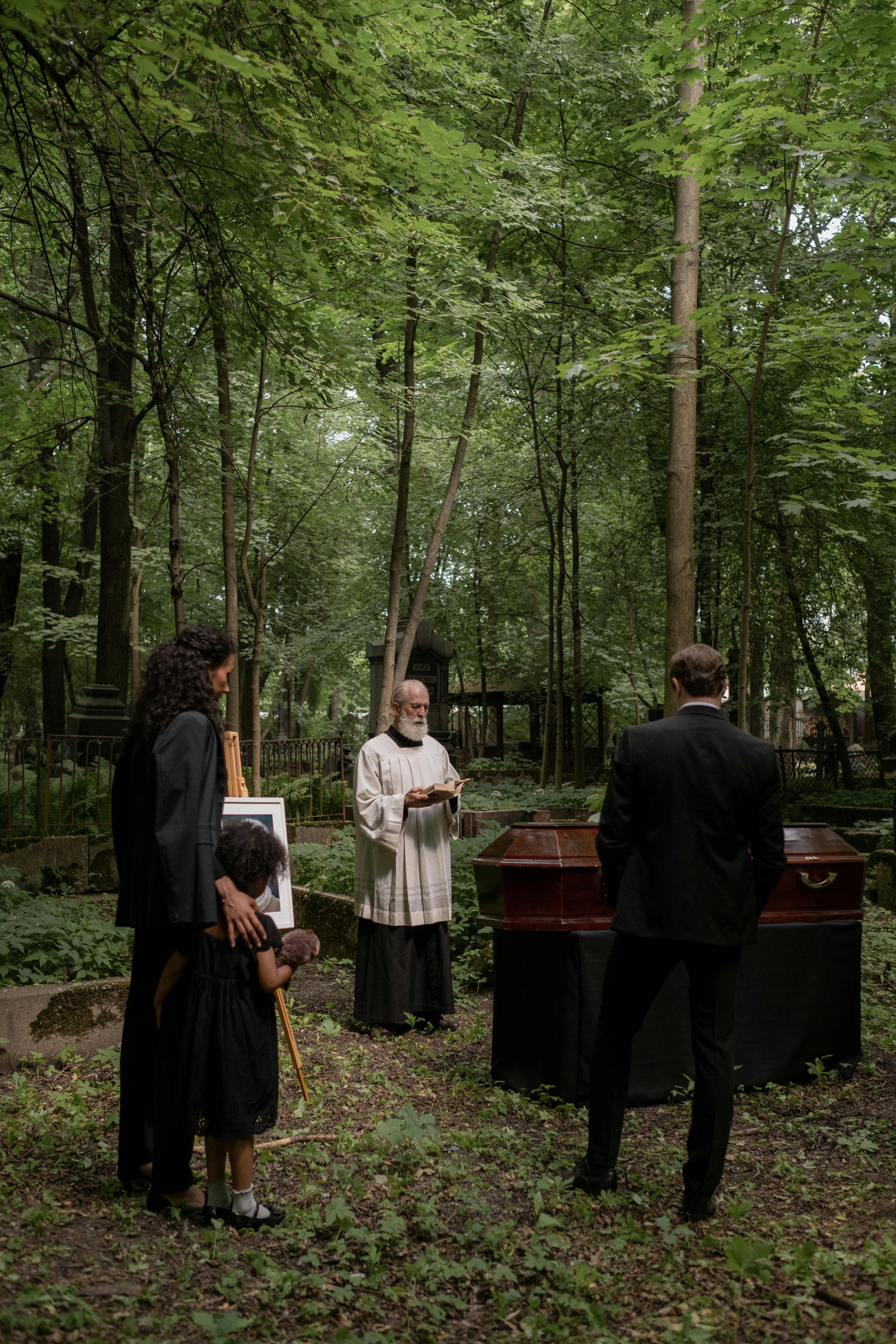
Orthodox burial services are rooted in religious teachings that emphasise respect for the body and the soul.
Meaning of Orthodox Burial
Orthodox burial is a sacred practice that involves laying the body of the deceased to rest in the earth, accompanied by prayers and rituals that reflect the hope of eternal life.
The service is not simply about physical interment. It is a spiritual act that acknowledges the belief that the body, as part of God’s creation, should return naturally to the earth.
In Melbourne, Orthodox burial services are conducted with the guidance of clergy and supported by funeral professionals who understand these traditions.
Spiritual Foundations
Orthodox Christianity teaches that the body and soul are interconnected.
The body is considered a temple of the Holy Spirit, and its treatment after death reflects this belief. Burial is seen as a continuation of respect for the body even after life has ended.
Role of the Church
The church plays a central role in burial services.
Priests lead prayers, conduct the funeral service, and guide families through the rituals that accompany burial.
Do Orthodox People Get Cremated
The question of cremation is one of the most important considerations in Orthodox funeral planning.
Traditional Church Teaching
Traditionally, the Orthodox Church does not support cremation.
Burial is the preferred and expected practice because it aligns with the belief in bodily resurrection.
The body is treated with reverence and returned to the earth, symbolising the natural cycle of life.
Theological Reasons
The preference for burial is rooted in theological teachings.
Orthodox Christianity emphasises that the body will be resurrected at the end of time. Burial reflects this belief by preserving the body in its natural form.
Cremation, which involves the destruction of the body through fire, is seen as inconsistent with this teaching.
Modern Considerations
In modern settings like Melbourne, there may be circumstances where cremation is considered.
These may include legal, financial, or logistical factors. However, even in such cases, cremation is generally discouraged within Orthodox tradition.
Pastoral Guidance
If cremation is being considered, families are encouraged to consult with their priest.
The priest can provide guidance based on church teachings and the specific situation.
Structure of an Orthodox Burial Service
Orthodox burial services follow a structured format that includes several stages.
The Vigil or Wake
The process often begins with a vigil or wake.
This is a time for family and friends to gather, pray, and pay their respects.
The Funeral Service
The main funeral service is held in an Orthodox church.
It includes hymns, scripture readings, and prayers for the soul of the deceased.
Procession to the Cemetery
After the service, the body is transported to the cemetery.
This procession is a symbolic journey representing the transition from life to eternal rest.
The Burial
At the gravesite, final prayers are offered.
The body is placed in the ground, and family members may participate by placing soil or flowers.
Symbolism in Orthodox Burial Services
Orthodox burial services are rich in symbolism.
The Use of Earth
The act of returning the body to the earth symbolises humility and the natural cycle of life.
Candles and Light
Candles represent the light of Christ and the hope of eternal life.
Incense
Incense symbolises prayers rising to heaven and the sanctification of the service.
Religious Icons
Icons are used to represent the presence of faith and spiritual connection.
Orthodox Burial Practices in Melbourne
Orthodox communities in Melbourne maintain their traditions while adapting to local conditions.
Availability of Burial Services
Melbourne offers a range of cemeteries and funeral services that accommodate Orthodox practices.
Collaboration with Funeral Homes
Funeral homes work closely with Orthodox churches to ensure that all aspects of the burial align with religious requirements.
Cultural Diversity
Different Orthodox communities, such as Greek, Russian, and Serbian, may have unique customs that influence burial practices.
Differences Between Burial and Cremation in Orthodoxy
Understanding the differences helps clarify the church’s position.
Respect for the Body
Burial preserves the body in its natural state.
Cremation involves the destruction of the body, which conflicts with traditional beliefs.
Spiritual Symbolism
Burial aligns with the symbolism of returning to the earth.
Cremation does not carry the same symbolic meaning within Orthodox tradition.
Church Acceptance
Burial is fully accepted and encouraged.
Cremation is generally discouraged and may affect certain aspects of funeral rites.
Emotional and Cultural Importance of Burial
Orthodox burial services provide emotional and cultural support.
Providing Closure
The structured process helps families say goodbye in a meaningful way.
Honoring Tradition
Following burial practices preserves cultural and religious identity.
Supporting Grief
Community gatherings and shared rituals provide comfort during loss.
Planning an Orthodox Burial Service
Planning requires careful coordination and understanding of traditions.
Contacting the Church
The first step is to contact an Orthodox priest.
The priest will guide the family through the process.
Working with Funeral Professionals
Funeral homes assist with logistics and ensure compliance with legal requirements.
Understanding Church Guidelines
Families should be aware of church teachings regarding burial and cremation.
Frequently Asked Questions
Do Orthodox people get cremated?
Orthodox people are traditionally not cremated, as the church strongly prefers burial based on theological beliefs about the body and resurrection.
Can an Orthodox funeral still be held if cremation occurs?
In many cases, full Orthodox funeral rites may not be conducted if cremation is chosen, though practices can vary depending on the priest and circumstances.
Why does the Orthodox Church prefer burial?
The church prefers burial because it reflects the belief in the sanctity of the body and the hope of bodily resurrection.
Conclusion
Orthodox burial services are deeply meaningful practices that reflect centuries of religious tradition and spiritual belief. They provide a structured and respectful way to honour the deceased while emphasising the connection between body, soul, and faith.
In cities like Melbourne, these traditions continue to be upheld by communities that value their cultural and religious heritage. Understanding the church’s perspective on cremation helps families make informed decisions that align with their beliefs.
While modern circumstances may introduce new considerations, the core principles of Orthodox burial remain centred on respect, reverence, and hope. By following these traditions, families can create a meaningful farewell that honours both the life of their loved one and the faith that guides them.