
Buildings are more than just walls and roofs—they are complex systems designed to provide safety, durability, and comfort for their occupants. However, over time, construction flaws, material deterioration, and environmental impacts can compromise the integrity of a structure. This is where structural defect inspections become crucial, providing a professional assessment to identify, evaluate, and recommend remedies for any structural issues.
Understanding structural defects is essential for homeowners, property managers, and developers who want to maintain safe and reliable buildings. These inspections not only protect property value but also ensure occupant safety and compliance with building regulations. A common question arises: What is an example of a structural defect? Exploring this question reveals the types of issues that experts look for and the methods they use to safeguard buildings.
This comprehensive guide delves into the concept of Structural Defect Inspection, the most common examples of structural defects, and the process involved in professional inspections. By reading this blog, you will gain insight into how inspections protect buildings and ensure long-term safety and performance.
Understanding Structural Defect Inspection
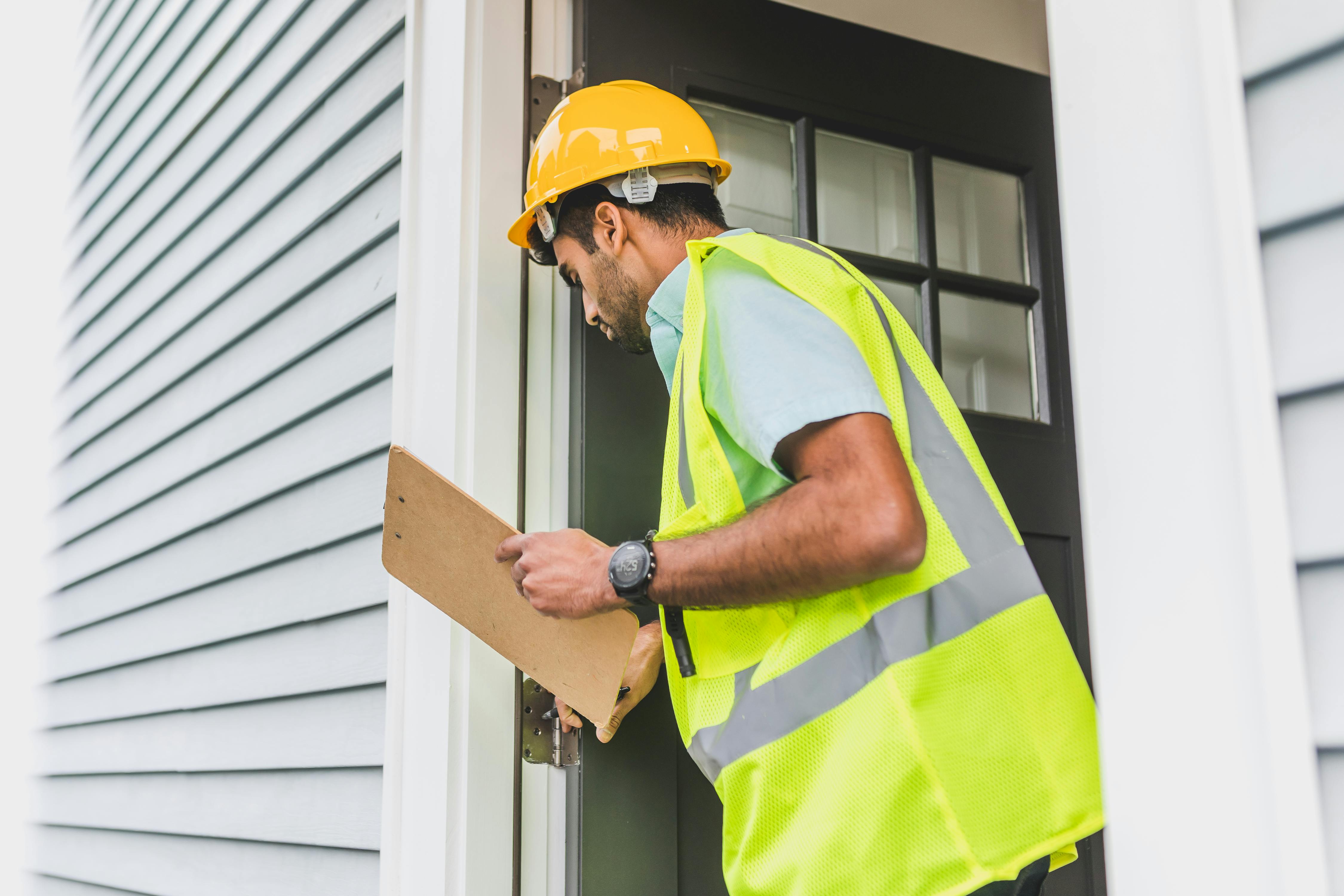
Structural defect inspections are specialised evaluations that assess the integrity and safety of a building’s framework. These inspections focus on elements critical to a building’s strength, such as foundations, load-bearing walls, beams, and roofing structures.
What is a Structural Defect?
A structural defect is a fault or weakness in the load-bearing components of a building that can compromise its stability. These defects can occur due to poor design, substandard construction, natural wear, or environmental factors such as soil movement or extreme weather.
Common examples of structural defects include foundation cracks, sagging beams, uneven floors, and roof truss failures. Any of these issues, if left unchecked, can lead to more significant problems, including collapse or serious safety hazards.
The Purpose of Structural Defect Inspections
The primary goal of a structural defect inspection is to identify weaknesses that could jeopardise a building’s structural integrity. Inspectors provide a detailed analysis of the current condition of a structure and recommend remedial measures if necessary.
These inspections are essential during property purchase, post-construction evaluation, periodic maintenance, and after events such as earthquakes, floods, or severe storms.
Who Conducts Structural Defect Inspections
Structural defect inspections are conducted by qualified professionals, including structural engineers, building inspectors, and specialised surveyors. Their expertise allows them to evaluate complex load-bearing systems and detect issues that may not be visible to the untrained eye.
Professionals use a combination of visual assessment, structural calculations, and advanced technology to provide a thorough evaluation of the building.
Examples of Structural Defects
Structural defects can vary in type and severity, affecting different parts of a building. Understanding these examples helps property owners identify warning signs early.
Foundation Cracks and Settlement Issues
Foundation cracks are one of the most common structural defects. They can occur due to uneven soil settlement, poor construction, or water damage.
Severe foundation cracks can lead to walls tilting, floors becoming uneven, and doors or windows not closing properly. Inspectors pay particular attention to the size, direction, and progression of cracks to determine their severity and potential risk.
Sagging or Damaged Beams
Beams are crucial components that support floors, roofs, and other structures. Damage or sagging in beams may result from overloading, material failure, or water damage.
Inspectors evaluate beams for signs of bending, cracking, or decay. They may also check the connections to columns and load-bearing walls, as these points are often where stress and defects manifest.
Roof Truss Failures
Roof trusses distribute the weight of the roof evenly across a building’s structure. Defects in trusses can arise from improper installation, termite damage, or prolonged exposure to moisture.
A compromised roof truss can cause sagging roofs, leaks, and, in extreme cases, roof collapse. Structural defect inspectors assess trusses for alignment, strength, and any visible signs of deterioration.
Load-Bearing Wall Issues
Load-bearing walls support significant weight and are critical to a building’s stability. Cracks, bulging, or misalignment in these walls can indicate structural stress.
Inspectors examine load-bearing walls for cracks, material damage, and signs of shifting or bowing, providing insight into potential hazards.
Uneven or Sloping Floors
Uneven or sloping floors often indicate settlement issues or foundation problems. Inspectors use precise instruments to measure floor levels and detect deviations from standard tolerances.
This type of defect, though sometimes subtle, can indicate serious underlying structural issues that need to be addressed promptly.
Corrosion and Material Deterioration
Metal reinforcements within concrete, such as rebar, can corrode over time, weakening the structure. Similarly, wooden structures may suffer from rot or termite damage.
Structural defect inspections identify material deterioration and recommend measures to prevent further damage, such as reinforcement or replacement.
The Process of Structural Defect Inspection
Structural defect inspections follow a systematic process to ensure thorough evaluation and reliable results.
Initial Consultation and Scope Definition
The inspection process begins with an initial consultation. The inspector discusses the building’s history, previous repairs, and any observed issues with the property owner.
This helps define the scope of the inspection, ensuring all critical structural elements are examined.
Visual Assessment
A detailed visual assessment is conducted to identify obvious defects, such as cracks, sagging, or deformation. Inspectors use their experience to assess the severity and potential causes of these defects.
Use of Diagnostic Tools
Advanced tools, including laser levels, moisture meters, and structural monitoring devices, may be used to measure alignment, detect hidden defects, and evaluate material integrity.
These tools provide quantitative data that support the inspector’s findings and help determine appropriate remedial actions.
Reporting Findings
After the inspection, the expert prepares a detailed report. The report documents all identified defects, explains their potential impact, and provides recommendations for repairs or further evaluation.
This report serves as a critical reference for property owners, developers, and maintenance teams.
Recommendations for Remediation
Structural defect inspectors do not just identify problems—they also provide actionable recommendations. Depending on the defect, recommendations may include foundation reinforcement, beam replacement, wall stabilisation, or routine monitoring.
Timely remedial actions help prevent defects from worsening and ensure the continued safety of the building.
Why Structural Defect Inspections Are Essential
The value of structural defect inspections extends beyond simply identifying problems—they protect investments, ensure safety, and maintain property value.
Safety for Occupants
The primary reason for conducting structural inspections is the safety of occupants. Structural defects, if left unaddressed, can lead to partial or total collapse, posing serious risks to life and property.
Financial Protection and Property Value
Early detection of structural defects helps prevent expensive repairs in the future. A well-maintained structure retains its value and may enhance resale potential.
Regulatory Compliance
Many building codes and regulations require periodic structural inspections, especially for commercial buildings. Compliance with these regulations ensures that buildings meet legal safety standards.
Informed Decision Making
For property buyers, sellers, or developers, a structural defect inspection provides reliable information about the property’s condition. This allows stakeholders to make informed decisions regarding purchase, renovation, or maintenance.
Common Causes of Structural Defects
Understanding the causes of structural defects can help property owners prevent future issues.
Poor Construction Practices
Substandard construction, inadequate reinforcement, and improper material usage often lead to structural defects. Inspectors often identify these causes during evaluations.
Material Degradation
Over time, building materials naturally degrade due to environmental exposure, moisture, or chemical reactions. Regular inspections help detect these changes early.
Environmental Factors
Earthquakes, floods, soil movement, and extreme weather conditions can compromise structural integrity. Inspectors evaluate how these factors impact the building and recommend protective measures.
Design Flaws
Design errors, such as insufficient load calculations or improper placement of structural elements, can contribute to defects. Structural inspections often reveal these flaws for corrective action.
Frequently Asked Questions
What is an example of a structural defect?
An example is a foundation crack that compromises the building’s stability.
Why are structural defect inspections important?
They ensure the safety, durability, and value of a building by identifying and addressing potential hazards.
When should I schedule a structural defect inspection?
Inspections should be scheduled before purchasing a property, during construction, after major repairs, or when signs of structural issues appear.
Conclusion
Structural defect inspections are an essential part of maintaining safe, durable, and valuable buildings. By identifying issues such as foundation cracks, sagging beams, or roof truss failures, inspections protect occupants and property owners from costly and dangerous problems.
Engaging qualified defect inspection experts ensures thorough evaluation, accurate reporting, and effective recommendations. Understanding the examples of structural defects and the inspection process equips property owners with the knowledge to safeguard their investments.
In a world where building integrity is critical, structural defect inspections remain a vital tool for ensuring safety, quality, and long-term value in every property.