
Keeping outdoor areas neat, productive, and visually appealing requires more than occasional mowing or trimming. One of the most persistent challenges for homeowners, businesses, farms, and property managers is weed growth. Weeds compete with desirable plants for sunlight, nutrients, water, and space. They can quickly overtake lawns, gardens, pathways, fence lines, and commercial landscapes if left unmanaged.
This is why professional weed control services have become increasingly valuable. These services combine knowledge, equipment, and proven treatment methods to manage unwanted plant growth safely and effectively. Whether the goal is protecting a home garden, improving curb appeal, maintaining public grounds, or supporting agricultural productivity, proper weed management plays a major role in long-term landscape health.
A common question many property owners ask is What is the best method of weed control? The answer depends on the type of weeds present, the size of the area, environmental conditions, and the goals of the property owner. In most cases, the most effective solution is not a single technique, but a strategic combination of methods known as integrated weed management.
This blog explores Weed Control Services in depth, explains the most effective weed control methods, and helps readers understand how to maintain healthier outdoor spaces year-round.
Understanding Weed Control Services
Weed control services are professional solutions designed to identify, manage, reduce, and prevent unwanted plant growth in residential, commercial, industrial, and agricultural settings. These services use targeted methods based on the weed species, location, infestation severity, and environmental considerations.
Why Weeds Are More Than a Cosmetic Problem
Many people see weeds as only a visual nuisance, but they often create much larger problems. Weeds steal nutrients and moisture from lawns and garden plants. Some species damage paving and driveways by growing through cracks. Others attract pests, trigger allergies, or create fire hazards when dry. In agricultural settings, weeds can significantly reduce crop yields.
Where Weed Control Services Are Commonly Used
Weed management is valuable in many environments. Homeowners often need treatment for lawns, garden beds, and pathways. Businesses require clean landscapes to maintain a professional appearance. Councils and public facilities manage weeds in parks, roadsides, and recreational areas. Farmers and acreage owners rely on weed control to protect productivity.
What Is the Best Method of Weed Control
The best method of weed control is usually an integrated approach that combines prevention, manual removal, mulching, cultural practices, and selective herbicide treatments when necessary.
Why There Is No Single Universal Method
Different weeds behave differently. Some spread by seed, others by roots or runners. Some are annual weeds that complete their life cycle in one season, while others are perennial and return year after year. Because of these differences, no single method works perfectly in every situation.
Why Integrated Weed Management Works Best
Integrated weed management combines multiple strategies to attack weeds at different stages. It prevents new weeds from germinating, removes existing infestations, and strengthens surrounding plants so they outcompete future weed growth. This balanced approach often provides the best long-term results.
Common Types of Weeds Found in Landscapes
Understanding weed categories helps determine the best treatment plan.
Broadleaf Weeds
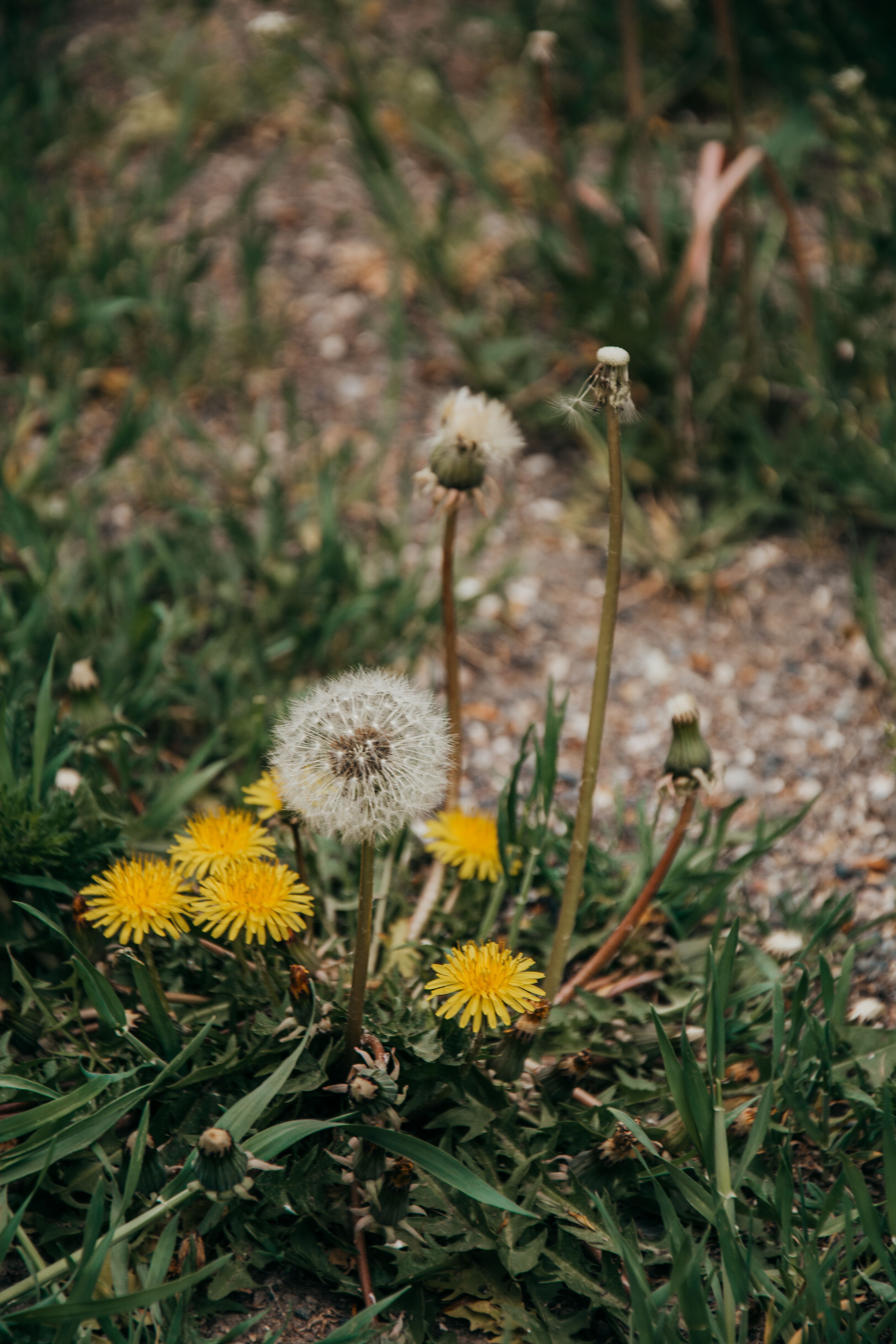
Broadleaf weeds include dandelions, clover, bindii, thistles, and plantain. They often grow in lawns and garden beds. Many can be treated effectively with selective herbicides or manual removal.
Grassy Weeds
Grassy weeds resemble lawn grass but grow aggressively and unevenly. Examples include crabgrass, couch invasion in garden beds, and winter grass. These weeds often require species-specific control methods.
Sedges
Sedges thrive in damp or poorly drained soil. They grow quickly and can be difficult to remove without addressing moisture problems. Nutgrass is a common example.
Woody and Invasive Weeds
Some weeds become shrubs, vines, or woody invaders. These may require cutting, stump treatment, repeated spraying, or professional removal plans.
Manual Weed Control Methods
Manual removal remains one of the oldest and most useful weed control techniques.
Hand Pulling
Hand pulling is effective for small infestations and young weeds, especially when soil is moist. Removing the entire root system is essential to prevent regrowth.
Hoeing and Cultivation
Using hoes or cultivation tools can disrupt weed seedlings before they mature. This is particularly useful in vegetable gardens and open soil areas.
Advantages of Manual Removal
Manual control avoids chemical use, allows precision, and is ideal around sensitive plants. It can be highly effective when done regularly.
Limitations of Manual Removal
Large infestations can be labour-intensive. Some perennial weeds regrow if roots remain in the soil.
Mulching as a Weed Control Method
Mulching is one of the most practical preventive weed control methods available.
How Mulch Suppresses Weeds
A layer of mulch blocks sunlight from reaching weed seeds, reducing germination. It also helps retain moisture and regulate soil temperature.
Types of Mulch
Organic mulch includes bark, straw, compost, and wood chips. Inorganic mulch may include stones or landscape fabric combined with decorative gravel.
Best Use Areas
Mulching works especially well in garden beds, around trees, pathways, and ornamental landscapes.
Cultural Weed Control Practices
Healthy landscapes naturally resist weed invasion. Cultural methods improve the growing conditions of desired plants, so weeds struggle to establish.
Proper Lawn Care
Dense healthy turf crowds out weeds. Correct mowing height, regular fertilising, aeration, and proper watering all help prevent weed growth.
Soil Improvement
Poor soil often encourages weeds. Adding compost, improving drainage, and balancing soil nutrients can help desirable plants thrive.
Correct Plant Spacing
Dense planting in garden beds shades bare soil and leaves less room for weeds to emerge.
Chemical Weed Control Methods
Herbicides are widely used when infestations are severe, widespread, or difficult to manage manually.
Selective Herbicides
Selective herbicides target certain weed types while leaving surrounding turf or plants largely unaffected when used correctly. These are common in lawn weed control.
Non-Selective Herbicides
Non-selective herbicides affect most vegetation they contact. They are often used on driveways, fence lines, or before replanting. Careful application is essential.
Pre-Emergent Herbicides
These products prevent weed seeds from germinating. They are useful for seasonal weed prevention.
Post-Emergent Herbicides
These treatments target weeds after they have already emerged. They are commonly used for visible infestations.
Why Professional Weed Control Services Are Valuable
Many people attempt DIY weed treatment, but professional services often deliver better long-term outcomes.
Correct Weed Identification
Different weeds require different treatments. Professionals identify species accurately and choose suitable control methods.
Proper Product Selection
Experts understand which herbicides or non-chemical methods are safest and most effective for each site.
Efficient Equipment Use
Commercial sprayers, injectors, and treatment tools allow more precise and consistent applications.
Long-Term Prevention Planning
Professionals do not simply remove visible weeds. They assess causes such as drainage issues, soil weakness, mowing practices, or bare ground exposure.
Weed Control for Residential Properties
Homes often require regular weed management to maintain appearance and property value.
Lawns
Lawn weeds can create patchy, uneven turf. Professional treatment improves appearance and grass health.
Garden Beds
Beds with ornamentals, vegetables, or shrubs benefit from mulching, edging, and selective treatment.
Driveways and Paths
Crack weeds can damage surfaces and create trip hazards. Targeted treatment helps preserve hardscape.
Weed Control for Commercial Properties
Businesses rely on neat grounds to create a positive first impression.
Retail and Office Sites
Clean entrances and tidy landscaping reflect professionalism and care.
Industrial Properties
Weed-free fence lines, storage yards, and access areas improve safety and maintenance standards.
Body Corporate and Strata Areas
Shared properties benefit from scheduled weed management for common spaces and parking areas.
Weed Control in Agricultural and Acreage Settings
Larger properties face unique challenges due to scale and persistent weed pressure.
Pasture Weed Management
Weeds reduce grazing quality and compete with pasture species.
Fence Line and Access Track Control
Unmanaged weeds along boundaries and roadsides spread seeds across wider areas.
Crop Protection
In farming systems, timely weed control directly supports yield and profitability.
Seasonal Weed Control Strategies
Weed management is more effective when timed correctly.
Spring
Rapid growth begins in spring. This is an ideal time for prevention and early treatment.
Summer
Warm-season weeds thrive in summer. Monitoring and irrigation management become important.
Autumn
Autumn treatments help manage perennial weeds and prepare lawns for cooler months.
Winter
Winter weeds emerge in cool climates. This season is useful for soil improvement and planning.
Eco-Friendly Weed Control Options
Many clients prefer environmentally conscious methods.
Steam and Heat Treatments
High heat can kill weeds without synthetic chemicals, especially on hard surfaces.
Organic Herbicide Alternatives
Some products use natural acids or plant-based ingredients. Effectiveness varies by weed type and maturity.
Manual Plus Preventive Methods
Regular hand removal, mulching, and soil improvement can significantly reduce chemical reliance.
Mistakes People Make With Weed Control
Incorrect methods often worsen the problem.
Treating Without Identification
Using the wrong product wastes time and money.
Removing Only the Top Growth
Many weeds regrow if roots or underground tubers remain.
Overusing Herbicides
Excessive application can damage nearby plants and the environment.
Ignoring Prevention
Killing weeds without fixing bare soil, drainage, or lawn weakness invites return infestations.
How to Choose a Weed Control Service
Selecting the right provider improves results and safety.
Experience and Reputation
Look for proven experience and positive customer feedback.
Clear Treatment Plans
A good provider explains what weeds are present, how they will treat them, and what follow-up is needed.
Licensed and Safe Practices
Choose professionals who follow local regulations and safe handling procedures.
Ongoing Maintenance Options
Regular service plans often produce better results than one-time treatments.
The Cost of Weed Control Services
Pricing varies depending on several factors.
Property Size
Larger areas require more labour and materials.
Weed Severity
Heavy infestations may need repeat visits.
Type of Treatment
Manual removal, herbicide programs, and specialist invasive weed work differ in cost.
Frequency of Service
Routine maintenance may be more cost-effective than reactive emergency treatment.
Long-Term Weed Prevention Strategies
The most successful weed control focuses on prevention.
Maintain Dense Lawns
Healthy turf shades soil and reduces weed seed establishment.
Mulch Exposed Soil
Bare soil invites germination. Mulch creates a barrier.
Inspect Regularly
Early detection keeps small problems manageable.
Use Clean Soil and Mulch Sources
Contaminated fill or mulch can introduce new weed seeds.
Frequently Asked Questions
What is the best method of weed control?
The best method is usually integrated weed management, combining prevention, manual removal, mulching, healthy plant care, and selective herbicides when needed.
How often should weed control be done?
Most properties benefit from seasonal treatments or ongoing maintenance depending on growth conditions and infestation levels.
Can weeds come back after treatment?
Yes, weeds can return if seeds remain in the soil or underlying conditions are not corrected, which is why prevention matters.
Conclusion
Weed control is about far more than removing unwanted plants. It is about protecting lawns, gardens, crops, hardscapes, and the overall health of outdoor spaces. Left unmanaged, weeds compete aggressively, spread rapidly, and create ongoing maintenance problems. With the right strategy, however, they can be controlled effectively and sustainably.
So, what is the best method of weed control? In most situations, the best answer is a combined approach that includes prevention, strong landscape care, targeted removal, and professional treatment when necessary. No single solution fits every site, but an integrated plan consistently delivers the strongest long-term results.
Professional weed control services provide the knowledge, tools, and experience needed to create cleaner, healthier, and more attractive properties. Whether for a home garden, commercial landscape, or rural acreage, expert weed management is an investment in lasting outdoor quality.