
Transport services are the backbone of Australia’s economy, supporting industries, businesses, and communities across vast distances. From major metropolitan areas to remote regional locations, the movement of goods relies on efficient freight transportation systems that ensure products are delivered safely and on time. As businesses grow and consumer expectations evolve, the demand for reliable and flexible transport solutions continues to increase.
In Australia, freight transportation is not a one-size-fits-all system. Different types of transport methods are used depending on the nature of goods, distance, urgency, and cost considerations. Understanding these methods is essential for businesses that want to optimise their logistics operations and maintain a competitive edge.
This guide explores Transport Services Australia and answers a key question often asked by business owners and logistics professionals: What are the four main types of freight transportation? By examining each method in detail, along with its advantages, limitations, and applications, this article provides a comprehensive overview of how goods move efficiently across the country.
Understanding Transport Services in Australia
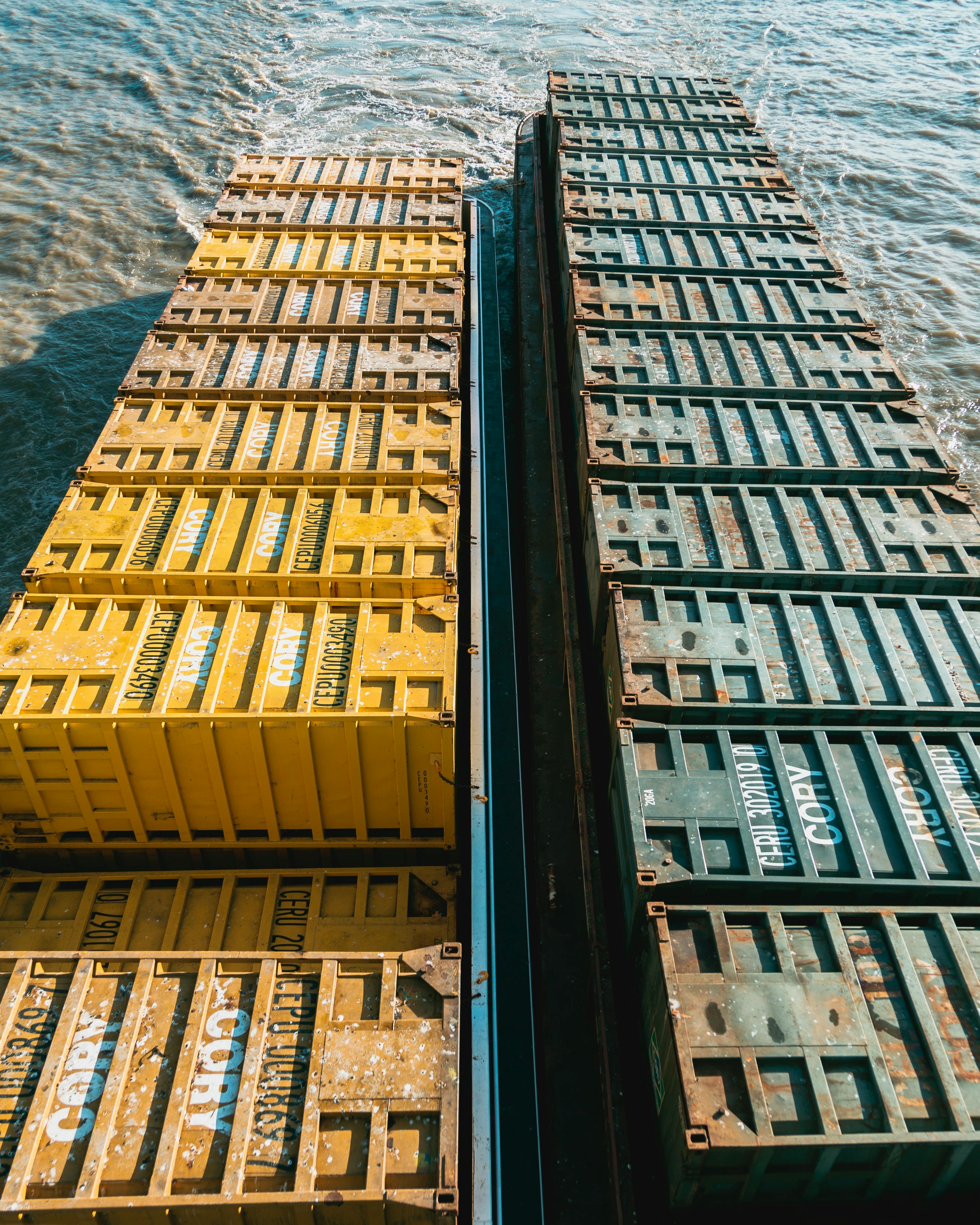
Transport services in Australia involve the movement of goods across various distances using different modes of transportation. These services are essential for connecting suppliers, manufacturers, distributors, and customers.
The Importance of Freight Transport in the Australian Economy
Australia’s economy relies heavily on efficient freight transport. Industries such as agriculture, mining, manufacturing, and retail depend on reliable logistics to move goods across states and regions.
Due to the country’s large landmass and relatively dispersed population, transport services must cover long distances while maintaining efficiency and cost-effectiveness. This makes freight transportation a critical component of national infrastructure.
Key Factors Influencing Transport Choices
Businesses must consider several factors when selecting freight transportation methods. These include delivery speed, cost, cargo type, distance, and environmental impact.
Balancing these factors allows companies to choose transport solutions that align with their operational needs and customer expectations.
The Role of Logistics Providers
Logistics providers play a crucial role in coordinating freight transport. They manage shipments, optimise routes, and ensure compliance with regulations. Their expertise helps businesses navigate complex logistics challenges and achieve efficient outcomes.
What Are the Four Main Types of Freight Transportation
Freight transportation is typically categorised into four main types: road, rail, air, and sea. Each method has unique characteristics and is suited to specific applications.
Road Freight Transportation
Road transport is the most widely used method in Australia. It involves the use of trucks and delivery vehicles to transport goods across cities, regions, and states.
Road freight offers flexibility and accessibility, allowing goods to be delivered directly to their destination without the need for additional handling. It is particularly important for last-mile delivery and short to medium-distance transport.
Road transport is ideal for a wide range of goods, including retail products, food, and construction materials. Its adaptability makes it a cornerstone of the freight industry.
Rail Freight Transportation
Rail transport is used for moving large volumes of goods over long distances. It is commonly used for bulk commodities such as minerals, agricultural products, and industrial materials.
Rail freight is known for its efficiency and cost-effectiveness, especially for heavy and high-volume shipments. It also has a lower environmental impact compared to road transport.
However, rail transport requires fixed infrastructure and is often combined with road transport to complete the delivery process.
Air Freight Transportation
Air transport is the fastest mode of freight transportation, making it suitable for time-sensitive and high-value goods. It is commonly used for perishable items, medical supplies, and urgent deliveries.
Air freight provides reliability and speed, but it is generally more expensive than other transport methods. Businesses must carefully evaluate cost versus urgency when choosing this option.
Sea Freight Transportation
Sea transport is essential for international trade and large-scale domestic shipping along coastal routes. It is the most cost-effective method for transporting large quantities of goods over long distances.
Container shipping allows businesses to move goods efficiently between ports. While slower than air transport, sea freight is ideal for non-urgent shipments and bulk cargo.
Comparing the Four Types of Freight Transportation
Understanding the differences between transport methods helps businesses make informed decisions.
Speed and Efficiency
Air freight is the fastest option, followed by road transport, rail transport, and sea transport. Each method offers different levels of speed depending on the distance and logistics involved.
Cost Considerations
Sea and rail transport are generally more cost-effective for large shipments, while road transport offers a balance between cost and flexibility. Air freight is the most expensive option but provides unmatched speed.
Environmental Impact
Rail and sea transport are more environmentally friendly compared to road and air transport. Businesses are increasingly considering sustainability when choosing transport methods.
Flexibility and Accessibility
Road transport offers the highest level of flexibility, allowing direct delivery to various locations. Other transport methods may require additional coordination and handling.
How Businesses Use Combined Transport Solutions
Many businesses use a combination of transport methods to optimise efficiency and cost. This approach is known as multimodal transportation.
Integrating Different Transport Modes
Goods may be transported by sea to a port, then by rail to a distribution centre, and finally by road to the destination. This integration allows businesses to leverage the strengths of each transport method.
Benefits of Multimodal Transport
Combining transport methods can reduce costs, improve efficiency, and enhance reliability. It also provides flexibility in responding to changing logistics requirements.
Challenges of Multimodal Transport
Coordinating multiple transport modes requires careful planning and communication. Delays or disruptions in one stage can affect the entire supply chain.
Challenges in Australian Freight Transport
Transport services in Australia face several challenges that impact efficiency and reliability.
Geographic Distance
Australia’s vast size means that goods often need to travel long distances, increasing transit times and costs.
Infrastructure Limitations
Some regions have limited transport infrastructure, which can affect accessibility and delivery efficiency.
Rising Costs
Fuel prices, labour costs, and maintenance expenses continue to rise, impacting transport budgets.
Environmental Concerns
Transport operations contribute to carbon emissions, prompting businesses to adopt sustainable practices.
Strategies for Improving Freight Transport Efficiency
Businesses can implement strategies to enhance their transport operations.
Route Optimization
Advanced planning tools help identify the most efficient routes, reducing travel time and fuel consumption.
Technology Integration
Digital tools such as tracking systems and data analytics improve visibility and decision-making.
Collaboration with Logistics Providers
Partnering with experienced logistics providers ensures access to expertise and reliable transport solutions.
Sustainable Practices
Adopting eco-friendly transport methods helps reduce environmental impact and supports long-term sustainability.
The Future of Transport Services in Australia
The freight transport industry continues to evolve, driven by technological advancements and changing market demands.
Automation and Innovation
Automation technologies are improving efficiency and reducing manual tasks in logistics operations.
Growth of E-Commerce
The rise of online shopping is increasing demand for fast and reliable delivery services.
Investment in Infrastructure
Government and private sector investments in transport infrastructure are enhancing connectivity and efficiency.
Focus on Sustainability
Businesses are adopting greener transport solutions to reduce emissions and meet regulatory requirements.
Frequently Asked Questions
What are the four main types of freight transportation?
The four main types are road, rail, air, and sea transportation, each serving different logistics needs based on speed, cost, and cargo type.
Which freight transport method is most commonly used in Australia?
Road transport is the most commonly used due to its flexibility and ability to provide direct delivery.
Why do businesses use multiple transport methods?
Businesses use multimodal transport to combine the advantages of different methods, improving efficiency, reducing costs, and enhancing reliability.
Conclusion
Transport services are essential for keeping Australia’s economy moving, connecting businesses and communities across vast distances. Understanding the four main types of freight transportation provides valuable insight into how goods are transported efficiently and effectively.
Each transport method offers unique advantages, from the flexibility of road transport to the speed of air freight and the cost efficiency of rail and sea transport. By selecting the right combination of these methods, businesses can optimise their logistics operations and meet customer expectations.
As the industry continues to evolve, innovation, sustainability, and strategic planning will play key roles in shaping the future of freight transport. By staying informed and adaptable, businesses can build resilient transport systems that support long-term success in a dynamic and competitive environment.