
Arranging a funeral is one of the most emotionally challenging responsibilities a person may face. It involves managing practical, legal, and ceremonial tasks while coping with grief and loss. Understanding the process and what it entails can provide clarity, reduce stress, and ensure that the final farewell honours the deceased appropriately.
This guide explores how Arranging Funeral works, from the initial steps immediately after a death to the coordination of services, legal considerations, and the ceremonial elements that make a funeral meaningful. It also addresses common questions, considerations for different types of funerals, and practical tips to help families navigate this difficult time with confidence and sensitivity.
Initial Steps Following a Death
The process of arranging a funeral begins at the time of death. Whether the death occurs at home, in a hospital, or elsewhere, there are immediate actions that need attention.
Notification of Authorities
If the death occurs at home, contacting emergency services or a doctor is necessary to officially confirm the death and obtain a medical certificate. In cases where the death is sudden, unexplained, or occurs under unusual circumstances, authorities may need to conduct an investigation.
Contacting a Funeral Director
Engaging a licensed funeral director early in the process helps guide families through legal requirements, documentation, and logistical arrangements. Funeral directors provide expertise in coordinating services, obtaining permits, and ensuring that all procedures comply with local regulations.
Obtaining Legal Documentation
Obtaining the official death certificate is a critical step. This document is required for burial or cremation, as well as for settling the deceased’s estate, accessing life insurance, and notifying government agencies and financial institutions.
Choosing the Type of Funeral
Funerals can vary widely based on cultural, religious, or personal preferences. Understanding the available options allows families to select a service that best reflects the deceased’s wishes and family traditions.
Burial
A traditional burial involves interring the body in a cemetery plot, often with a headstone or marker. Decisions include choosing a cemetery, selecting a plot, arranging transportation, and planning the graveside ceremony. Burial options may include traditional caskets or eco-friendly alternatives.
Cremation
Cremation has become a popular choice due to flexibility, cost considerations, and personal preference. Families must decide whether to hold a memorial service before or after the cremation and how to handle the ashes, whether by scattering, keeping in an urn, or placing in a columbarium.
Religious or Cultural Funerals
Religious practices significantly influence funeral arrangements. Families may follow specific rituals, prayers, or ceremonial practices consistent with faith traditions. It is important to consult religious leaders or cultural advisors to ensure appropriate observances.
Direct Funerals
A direct funeral involves minimal ceremony and immediate burial or cremation. This option is typically chosen for simplicity or cost considerations. While formal services are limited, families may still hold a memorial service or gathering at a later date.
Planning the Funeral Service
The funeral service itself is a significant part of the process, allowing family and friends to pay tribute and celebrate the life of the deceased.
Selecting the Venue
Venues can range from funeral homes to religious institutions, community centres, or outdoor spaces. The choice depends on the expected number of attendees, religious or cultural requirements, and logistical considerations such as accessibility and facilities.
Scheduling the Service
Coordinating a date and time requires consideration of family availability, cemetery or crematorium schedules, and any religious or cultural observances. Funeral directors can assist in arranging times and ensuring all parties are informed.
Choosing Officiants or Celebrants
Funerals are often led by religious leaders, clergy, or professional celebrants who guide the ceremony, provide comfort, and perform required rituals. Some families may also invite family members or friends to speak or deliver readings.
Personalising the Ceremony
Personal touches make the service meaningful. Families can include music, readings, eulogies, photographs, or videos. Themes reflecting the deceased’s interests, achievements, or personality may also be incorporated.
Managing Attendees
Keeping track of RSVPs, seating arrangements, and accessibility requirements helps ensure that guests are comfortable and the ceremony proceeds smoothly. Invitations can be sent physically, via email, or announced publicly, depending on preference.
Arranging Logistics
Beyond the service, several practical aspects require attention to ensure a smooth funeral process.
Transportation and Hearse Services
Arranging transportation for the deceased and family members is essential. Funeral directors often coordinate hearses, limousines, or other vehicles needed to transport the deceased to the venue or cemetery.
Casket, Urn, or Container Selection
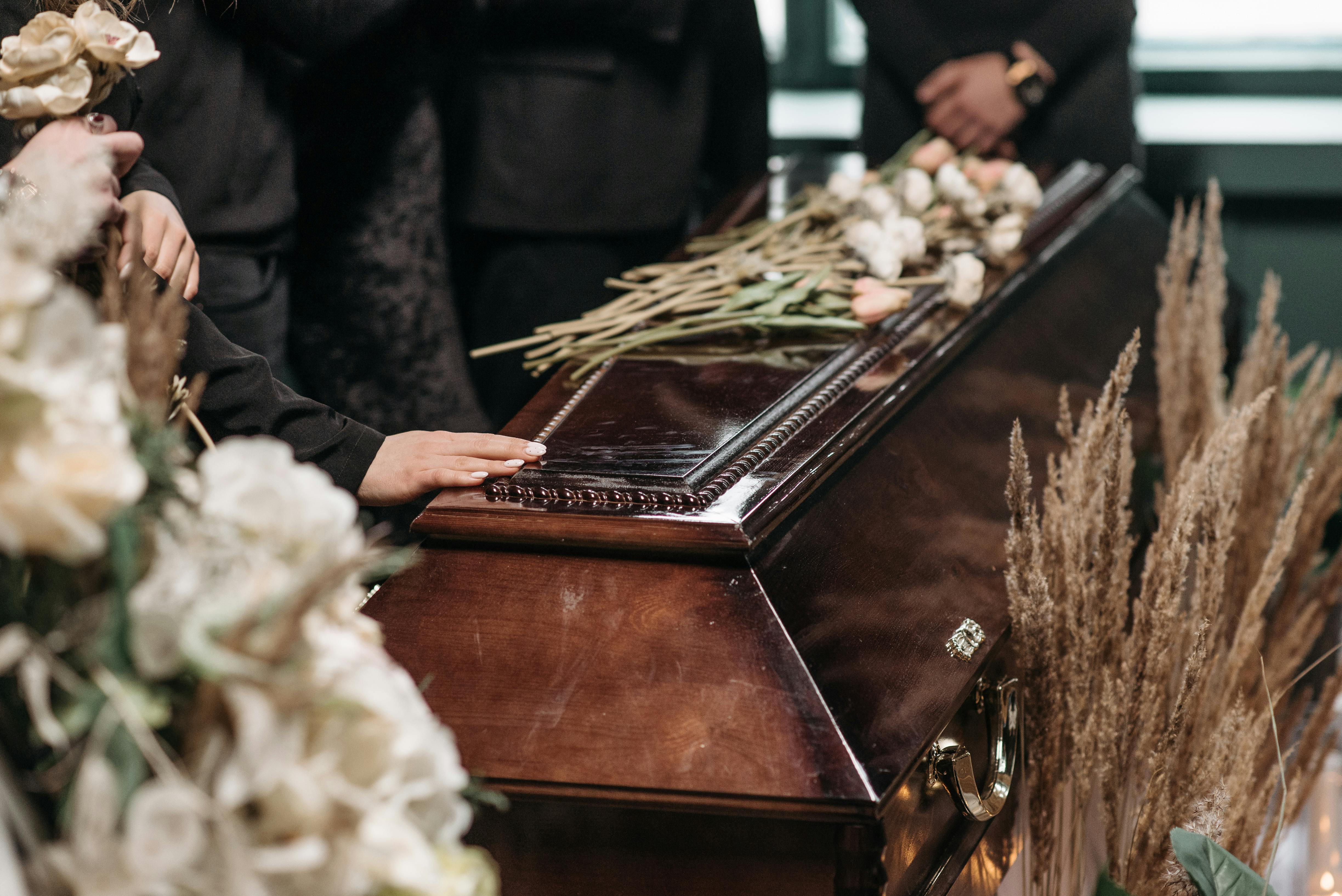
Selecting the casket or urn involves considerations of material, style, and size. Families may choose from traditional options or customised designs that reflect the deceased’s personality or wishes.
Floral Arrangements and Memorabilia
Flowers, memory boards, keepsakes, or charitable donations may be included in the service. Families often work with florists or funeral directors to create arrangements that align with the ceremony’s tone and theme.
Legal Permissions and Permits
Depending on the jurisdiction, permits may be required for burial, cremation, or public gatherings. Funeral directors help navigate these requirements, ensuring compliance with local laws.
Handling Obituary and Public Notices
Writing and publishing an obituary provides a public notice of the death, shares service details, and celebrates the life of the deceased. Obituaries can be published in newspapers, online platforms, or community newsletters.
Managing Costs and Financial Considerations
Funeral expenses can vary significantly based on choices made. Understanding costs helps families plan within their budget.
Itemised Funeral Costs
Common expenses include the funeral director’s fees, venue rental, transportation, casket or urn, embalming or preparation, flowers, and administrative fees. Optional items such as memorial programs, catering, or music may add to the overall cost.
Prepaid or Pre-Arranged Funerals
Some families opt to pre-arrange or prepay funeral services. This provides peace of mind, ensures the deceased’s wishes are respected, and may reduce financial stress for surviving family members.
Financial Assistance
Government programs, insurance policies, or employer benefits may help cover funeral expenses. Families should check eligibility for support or reimbursement options.
Legal and Administrative Steps After the Funeral
Arranging a funeral also includes legal and administrative responsibilities that ensure proper closure and compliance.
Settling the Estate
The executor or administrator of the estate handles property distribution, financial accounts, and legal obligations. A death certificate is required to access bank accounts, insurance, and government benefits.
Notifying Authorities
Government agencies, utility providers, and financial institutions must be notified of the death. Timely notification prevents legal complications or ongoing charges.
Handling Personal Belongings
Managing the deceased’s belongings involves sorting, preserving sentimental items, and disposing of or donating other possessions. Executors and family members often collaborate on these decisions.
Grief Support and Counselling
Funeral arrangements can be emotionally draining. Accessing grief counselling, support groups, or professional assistance helps families process loss while managing the practical demands of a funeral.
Common Questions About Funeral Arrangements
How long does it take to arrange a funeral?
Typically, a funeral can be arranged within a few days to two weeks, depending on legal requirements, family availability, and service complexity.
Can funerals be personalised?
Yes, funerals can be personalised with music, readings, photographs, and themes that reflect the deceased’s life and personality.
What costs are typically covered in a funeral?
Common costs include funeral director fees, casket or urn, transportation, venue rental, and administrative fees. Optional expenses include flowers, memorial programs, and catering.
Conclusion
Arranging a funeral is a multifaceted process that involves emotional, logistical, and legal considerations. By understanding the steps involved—from initial notifications and documentation to choosing the type of funeral, planning the service, managing logistics, and addressing financial and legal obligations—families can navigate this challenging time with clarity and confidence.
A well-organised funeral honours the deceased, provides a structured outlet for grief, and offers comfort to family and friends. Utilising the expertise of funeral directors, following a clear process, and incorporating personal touches ensures that the funeral reflects the values and wishes of the deceased while providing closure and support to loved ones.