
Maintaining healthy teeth and gums requires more than brushing and flossing at home. While daily oral hygiene practices are essential, professional dental care plays a vital role in protecting the mouth from plaque buildup, tooth decay, and gum disease. One of the most important parts of preventive dentistry is the professional dental check-up. These routine visits allow dental professionals to examine the teeth, evaluate gum health, and perform specialised cleanings that remove harmful bacteria and hardened plaque that cannot be eliminated with regular brushing alone.
Professional dental check-ups are designed to detect potential oral health issues before they develop into serious problems. During these visits, dentists and dental hygienists perform a series of examinations and procedures to ensure that the teeth and gums remain healthy. These check-ups are also an opportunity for patients to receive guidance on maintaining proper oral hygiene habits that support long-term dental wellness.
A key component of most dental check-ups is professional dental cleaning. Dental cleanings help remove plaque and tartar buildup that can accumulate on the teeth over time. When plaque is not removed effectively, it hardens into tartar, which can only be removed using specialised dental instruments. Professional cleanings help reduce the risk of cavities, gum disease, and other oral health complications.
However, many people are unaware that there are several types of dental cleanings used in modern dentistry. Each cleaning method serves a different purpose and is recommended based on the patient’s oral health condition. Some cleanings are preventive and designed for individuals with healthy gums, while others are therapeutic procedures used to treat gum disease or remove heavy plaque buildup.
Understanding the different types of dental cleanings can help patients appreciate why their dentist may recommend a specific procedure. By learning about these treatments, individuals can feel more confident about their dental care and better understand the role professional check-ups play in maintaining oral health.
This comprehensive guide explores the importance of Professional Dental Check-Ups and examines the various types of dental cleanings used in modern dentistry. It also answers an important question frequently asked by patients who want to learn more about preventive dental care: What are the different types of dental cleanings? By understanding these procedures, individuals can make informed decisions about their dental health and maintain a brighter, healthier smile for years to come.
The Importance of Professional Dental Checkups
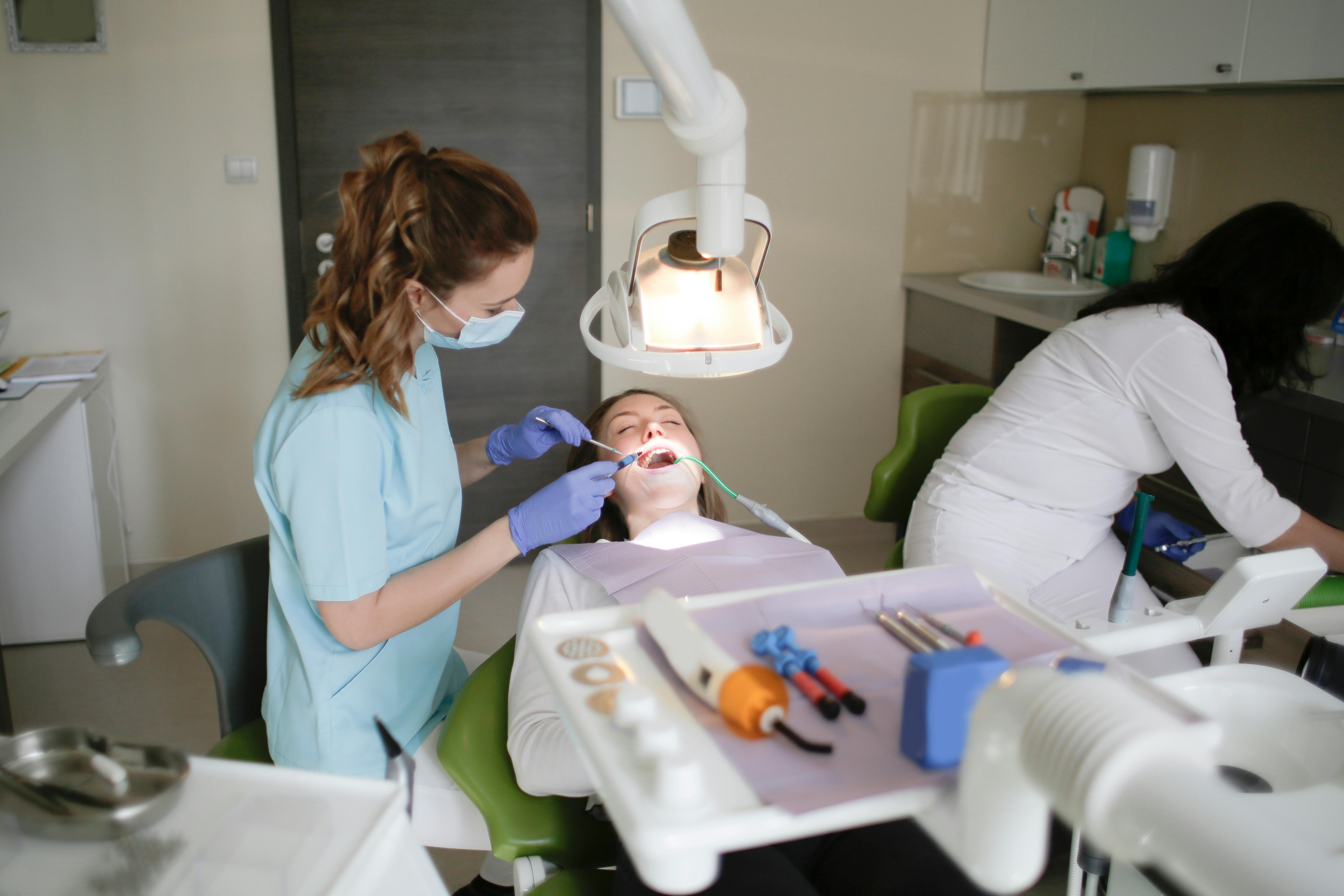
Professional dental check-ups are essential for maintaining healthy teeth and gums. These visits provide an opportunity for dentists to monitor oral health and detect potential problems before they become serious.
Early Detection of Dental Problems
One of the most important benefits of professional dental check-ups is the early detection of dental issues. During an examination, the dentist carefully inspects the teeth, gums, and oral tissues to identify signs of cavities, gum disease, enamel erosion, or other abnormalities.
Many dental problems develop gradually and may not cause noticeable symptoms in their early stages. Regular check-ups allow dentists to identify these issues early, making treatment easier and more effective.
For example, a small cavity discovered during a routine check-up can usually be repaired with a simple filling. If left untreated, however, the decay may spread deeper into the tooth and require more complex procedures such as root canal therapy.
Monitoring Gum Health
Healthy gums are essential for maintaining strong teeth. Gum disease is a common condition that can develop when plaque and bacteria accumulate along the gumline.
During professional dental check-ups, dentists examine the gums for signs of inflammation, bleeding, or recession. They may also measure the depth of the pockets between the teeth and gums to detect early stages of periodontal disease.
Monitoring gum health helps prevent the progression of gum disease, which can lead to tooth loss if left untreated.
Maintaining Long-Term Oral Health
Regular dental check-ups provide a consistent record of a patient’s oral health over time. By tracking changes in the condition of the teeth and gums, dentists can identify patterns that may indicate emerging dental problems.
This proactive approach allows dental professionals to recommend preventive measures that help patients maintain strong teeth and healthy gums.
The Role of Professional Dental Cleaning
Professional dental cleaning is an essential part of most dental check-ups. Even individuals with excellent oral hygiene habits can develop plaque and tartar buildup that requires professional removal.
Removing Plaque and Tartar
Plaque is a sticky film of bacteria that forms on the teeth throughout the day. If plaque is not removed regularly, it hardens into tartar, which cannot be removed with a toothbrush or dental floss.
Dental hygienists use specialised tools to remove plaque and tartar from the teeth and along the gumline. This process helps reduce the risk of cavities and gum disease.
Polishing and Smoothing the Teeth
After plaque and tartar have been removed, the teeth are often polished using a rotating instrument and a mild abrasive paste. Polishing removes surface stains and smooths the tooth surface.
A smoother tooth surface makes it more difficult for plaque to accumulate, helping maintain oral cleanliness.
Supporting Preventive Dentistry
Professional cleanings support preventive dental care by maintaining a healthy oral environment. When plaque and tartar are removed regularly, the risk of dental disease is significantly reduced.
What Are the Different Types of Dental Cleanings
Dental cleanings are not all the same. The type of cleaning recommended depends on the patient’s oral health condition and the amount of plaque or tartar buildup present.
Prophylaxis Cleaning
Prophylaxis cleaning is the most common type of dental cleaning performed during routine dental check-ups. This procedure is designed for patients with healthy teeth and gums who do not show signs of gum disease.
During a prophylaxis cleaning, dental professionals remove plaque and tartar from the surfaces of the teeth and along the gumline. The teeth are then polished to remove stains and create a smooth surface that helps prevent future plaque accumulation.
This type of cleaning is typically recommended every six months for individuals with good oral health.
Scaling and Root Planing
Scaling and root planing is a deeper cleaning procedure used to treat gum disease. This treatment is often recommended when plaque and tartar have accumulated beneath the gumline.
Scaling involves removing plaque and tartar from the surfaces of the teeth and below the gumline. Root planing smooths the surfaces of the tooth roots, helping the gums reattach to the teeth.
This procedure helps reduce inflammation and prevents bacteria from accumulating in periodontal pockets.
Gross Debridement Cleaning
Gross debridement cleaning is recommended for patients who have significant plaque and tartar buildup. In such cases, the accumulation of hardened deposits may prevent the dentist from conducting a proper examination of the teeth and gums.
During gross debridement cleaning, dental professionals remove large amounts of plaque and tartar using specialised instruments.
Once the buildup has been removed, the dentist can perform a more detailed examination and determine whether additional treatments are necessary.
Periodontal Maintenance Cleaning
Periodontal maintenance cleaning is used for patients who have previously undergone treatment for gum disease. This type of cleaning helps maintain gum health and prevent the recurrence of periodontal infections.
During periodontal maintenance visits, dental professionals remove plaque and tartar from both the teeth and beneath the gumline. The gums are also evaluated to ensure they remain healthy.
Patients undergoing periodontal maintenance may need to schedule cleanings more frequently than standard check-ups.
Choosing the Right Type of Dental Cleaning
Dentists determine the appropriate type of dental cleaning based on several factors related to the patient’s oral health.
Evaluating Plaque and Tartar Levels
The amount of plaque and tartar present on the teeth helps determine the type of cleaning required. Patients with minimal buildup may only need routine prophylaxis cleaning, while those with heavy deposits may require more advanced procedures.
Assessing Gum Health
The condition of the gums is another important factor. Signs of gum disease, such as bleeding, swelling, or deep gum pockets, may indicate the need for scaling and root planing.
Creating Personalised Treatment Plans
Every patient has unique dental needs. Dentists use the results of oral examinations and diagnostic tests to develop personalised treatment plans that address each individual’s oral health condition.
Maintaining Oral Health Between Professional Cleanings
Professional dental care is most effective when combined with proper oral hygiene practices at home.
Brushing Teeth Regularly
Brushing teeth at least twice a day helps remove plaque and bacteria from the tooth surfaces. Using fluoride toothpaste strengthens enamel and protects against cavities.
Flossing Daily
Flossing removes plaque and food particles from between the teeth and along the gumline. These areas are difficult to clean with a toothbrush alone.
Eating a Balanced Diet
A healthy diet supports strong teeth and gums. Limiting sugary foods and acidic beverages helps reduce the risk of tooth decay.
Visiting the Dentist Consistently
Regular dental check-ups ensure that teeth and gums are monitored regularly. These visits allow dentists to provide professional cleaning and detect potential issues early.
Frequently Asked Questions
How often should professional dental cleanings be done?
Most dentists recommend professional dental cleanings every six months, although patients with gum disease may require more frequent visits.
Are dental cleanings painful?
Routine dental cleanings are generally comfortable. Deeper procedures, such as scaling and root planing, may involve local anesthesia to ensure patient comfort.
Do dental cleanings help prevent cavities?
Yes, dental cleanings remove plaque and tartar buildup that contribute to tooth decay and gum disease.
Conclusion
Professional dental check-ups play an essential role in maintaining strong teeth, healthy gums, and overall oral health. These visits allow dental professionals to detect potential problems early and provide preventive care that supports long-term dental wellness.
Understanding the different types of dental cleanings helps patients appreciate the importance of professional dental care. From routine prophylaxis cleanings to specialised procedures such as scaling and root planing, each cleaning method is designed to address specific oral health needs.
By combining regular dental check-ups with proper oral hygiene habits at home, individuals can protect their smiles and reduce the risk of dental disease. Professional dental care ensures that teeth remain healthy, functional, and attractive for many years to come.