
Hosting a gala event is one of the most prestigious and rewarding ways to bring people together for a meaningful purpose. Whether the event supports a charitable cause, celebrates a milestone, or recognises achievements within an organisation, a gala ball represents elegance, purpose, and community. These events are often anticipated months in advance, and their success depends on thoughtful planning and a carefully chosen venue.
A perfect gala ball venue does more than provide a physical location for the event. It becomes the environment where guests connect, celebrate, and experience the atmosphere of the evening. The space influences the mood of the event, shapes the program flow, and contributes to the memories that guests carry long after the celebration ends.
Gala events are often associated with formal dining, inspiring speeches, entertainment, and beautifully designed décor. However, behind every successful gala lies a strategic plan that brings together multiple elements to create a seamless and memorable experience. Event organisers must consider everything from the guest list and program structure to catering, entertainment, and logistics.
One of the most important questions many event planners ask when preparing for such an occasion is how to host a successful gala. The answer involves more than just selecting a beautiful venue. It requires a combination of vision, organisation, collaboration, and attention to detail.
This article explores the concept of the Perfect Gala Ball Venue while explaining the key strategies that contribute to a successful gala event. By understanding how different elements come together, organisers can create extraordinary evenings that inspire guests and achieve the goals of the event.
Understanding the Purpose of a Gala Event
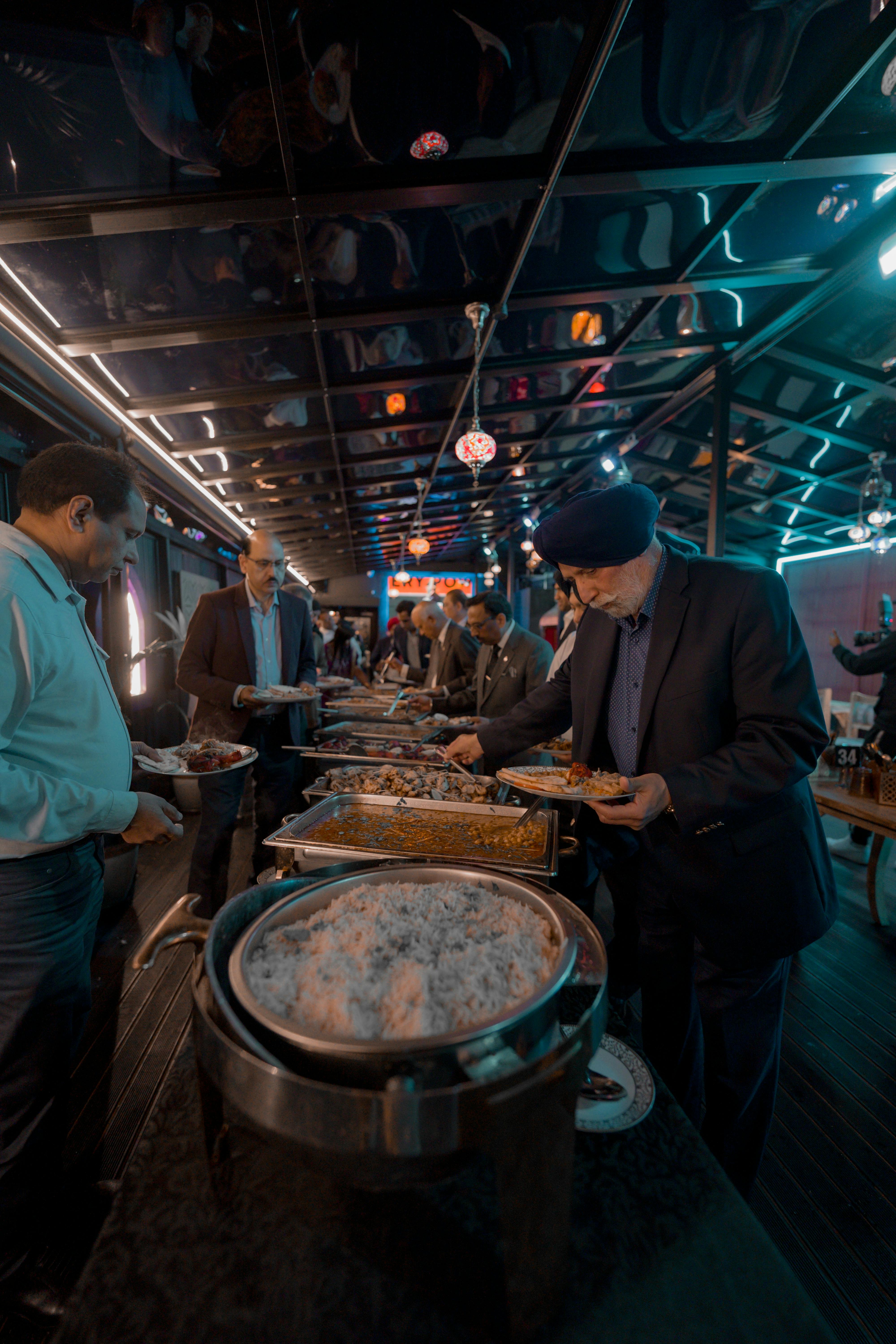
Before planning any gala, it is important to understand the purpose behind the event. A gala is not simply a formal dinner or social gathering. It is usually organised with a clear objective, whether that objective is fundraising, celebration, recognition, or community engagement.
Many nonprofit organisations host gala events to raise funds for charitable initiatives. Corporate groups may organise galas to celebrate company achievements or strengthen professional relationships. Cultural institutions often use gala balls to support artistic programs and bring together patrons who share an interest in the arts.
When the purpose of the event is clearly defined, it becomes easier to design an experience that aligns with that goal.
Aligning the event experience with the mission
Every aspect of a gala should reflect the purpose of the gathering. From the design of the venue to the structure of the program, the event should communicate its mission in a way that resonates with guests.
For example, a charity gala may include storytelling elements that highlight the organisation’s work and the impact of donations. A corporate celebration might emphasise recognition and appreciation through awards and presentations.
By ensuring that the event’s purpose is visible throughout the evening, organisers create a deeper connection between guests and the event itself.
Selecting the Perfect Gala Ball Venue
The venue is one of the most influential factors in determining the success of a gala event. A perfect gala ball venue should offer elegance, sufficient space, and the technical capabilities needed to support the program.
Large ballrooms, historic halls, luxury hotels, and waterfront event spaces are common choices for gala events because they provide impressive settings that match the formality of the occasion.
Guests attending a gala often expect an environment that feels refined and exclusive. The venue should create a sense of arrival and excitement from the moment guests step inside.
Evaluating venue features and capacity
When selecting a venue, event planners must consider several practical factors. The space should comfortably accommodate the number of guests while allowing room for dining tables, stage areas, entertainment, and social interaction.
Accessibility is another important consideration. A venue located in a convenient and recognisable area makes it easier for guests to attend and enjoy the event.
Additionally, the venue should offer professional support services, such as event coordination, technical equipment, and catering options. These resources help ensure that the event runs smoothly from beginning to end.
Designing an Engaging Event Program
A successful gala requires a well-structured program that keeps guests engaged throughout the evening. The program typically includes several segments that balance social interaction, dining, entertainment, and formal presentations.
Guests usually begin the evening with a reception where they can mingle and enjoy light refreshments. This is followed by the main dinner program, which may include speeches, award presentations, or fundraising activities.
The program should flow naturally from one segment to the next so that guests remain interested and energised.
Maintaining balance and pacing
Effective pacing is essential for keeping guests engaged. Long speeches or extended gaps between activities can reduce the energy of the event.
To maintain momentum, organisers often schedule short entertainment segments or interactive moments between courses of the meal. These transitions help maintain excitement while allowing guests time to socialise.
When the program is thoughtfully balanced, the evening feels dynamic and enjoyable rather than overly formal or rigid.
Creating an Elegant Atmosphere Through Décor
The visual environment of a gala ball plays a significant role in shaping guest impressions. Decorations, lighting, and table arrangements contribute to the elegance and overall identity of the event.
Event designers often create a cohesive theme that influences colour schemes, floral arrangements, and stage design. These visual elements work together to transform the venue into a sophisticated and memorable space.
Lighting is particularly important because it influences the mood of the event. Soft ambient lighting creates a warm atmosphere, while spotlighting can highlight key areas such as the stage or dance floor.
Enhancing the guest experience with thoughtful design
Beautiful décor encourages guests to feel immersed in the event. Carefully arranged tables, elegant centrepieces, and artistic lighting create a sense of celebration that guests immediately notice.
The design of the space should also support the flow of the evening. For example, the placement of the stage and dining tables should allow guests to easily see presentations and performances.
By combining visual creativity with functional design, organisers can create an environment that enhances the entire gala experience.
Planning an Exceptional Dining Experience
Dining is one of the central highlights of most gala events. Guests attending a gala often expect high-quality cuisine served in a refined and professional manner.
A typical gala dinner includes multiple courses, such as appetisers, main dishes, and desserts. Some events also feature wine pairings or specialty beverages that complement the meal.
Catering teams work closely with event planners to design menus that reflect the elegance of the occasion while accommodating dietary preferences.
Delivering memorable culinary moments
Food presentation is just as important as flavour in a gala setting. Beautifully plated dishes add a sense of artistry to the dining experience and contribute to the overall sophistication of the event.
Professional service staff ensure that courses are delivered efficiently and with proper timing. This coordination allows the meal to align smoothly with speeches and entertainment segments.
When guests enjoy a memorable dining experience, it becomes one of the most talked-about aspects of the event.
Incorporating Entertainment and Performances
Entertainment is another important ingredient in hosting a successful gala. Live performances create excitement and provide moments of enjoyment that guests will remember long after the event ends.
Entertainment options can vary widely depending on the style and purpose of the gala. Some events feature live bands or orchestras, while others include dance performances, guest speakers, or cultural presentations.
The choice of entertainment should complement the theme and tone of the event.
Creating energy and excitement throughout the evening
Strategically placed entertainment segments help maintain energy throughout the program. For example, a musical performance between dinner courses can provide a refreshing break from speeches.
Some gala events conclude with a dance segment where guests can celebrate together on the dance floor. This interactive element encourages participation and adds a festive conclusion to the evening.
By selecting engaging entertainment, organisers ensure that the event remains lively and memorable.
Engaging Guests Through Meaningful Interaction
One of the most valuable aspects of a gala event is the opportunity for guests to connect. These events often bring together individuals from diverse backgrounds who share an interest in the event’s purpose.
Creating opportunities for meaningful interaction helps guests feel more involved and invested in the event.
Encouraging networking and conversation
Reception periods, lounge areas, and open seating arrangements can encourage guests to socialise and build connections. These moments of interaction contribute to the overall enjoyment of the evening.
In fundraising galas, engaging guests emotionally through storytelling or interactive activities can also inspire greater support for the cause.
When guests feel personally connected to the event, they are more likely to leave with positive memories and a sense of satisfaction.
Managing Event Logistics and Coordination
Behind every successful gala is a team of professionals managing the logistical aspects of the event. Event coordinators, technical staff, catering teams, and venue managers work together to ensure that every detail is executed smoothly.
Logistics include scheduling activities, managing vendor deliveries, coordinating stage equipment, and overseeing guest services.
Ensuring seamless event execution
Professional coordination ensures that the event progresses according to plan. If unexpected challenges arise, experienced staff can quickly resolve them without disrupting the guest experience.
By entrusting logistical management to skilled professionals, event organisers can focus on engaging with guests and enjoying the celebration.
Frequently Asked Questions
How do you host a successful gala?
Hosting a successful gala requires clear planning, a well-chosen venue, engaging entertainment, high-quality dining, and a structured program that keeps guests involved throughout the evening.
What makes a venue perfect for a gala ball?
A perfect gala venue provides ample space, elegant design, professional event services, and technical capabilities that support dining, speeches, and entertainment.
How far in advance should a gala event be planned?
Most gala events are planned several months to allow enough time for venue booking, program development, sponsorship arrangements, and guest invitations.
Conclusion
A successful gala is the result of careful planning, creative design, and thoughtful coordination. From selecting the perfect gala ball venue to designing an engaging program and delivering exceptional dining experiences, every detail contributes to the success of the evening.
When these elements come together harmoniously, a gala becomes far more than a formal gathering. It becomes an inspiring celebration where guests connect, support meaningful causes, and share memorable experiences.
By focusing on purpose, atmosphere, and guest engagement, organisers can create gala events that leave lasting impressions and achieve the goals of the occasion.