
Modern construction demands materials that deliver strength, safety, longevity, and cost efficiency. Among all available structural materials, steel continues to stand out as one of the most reliable and adaptable choices for building construction.
From residential homes and commercial complexes to high-rise towers and industrial warehouses, steel plays a central role in shaping durable structures that withstand environmental stress and time. However, not all steel is the same. Engineers, architects, and property developers often ask a crucial question: Which steel is best for building construction?
This comprehensive guide explores Durable Steel Buildings in detail, examining the characteristics that make steel a superior construction material, the different types of steel used in structural applications, and the criteria for selecting the best steel for specific building needs. By understanding the composition, properties, and performance of various steel grades, builders can make informed decisions that ensure long-term structural integrity and safety.
The Importance of Durability in Building Construction
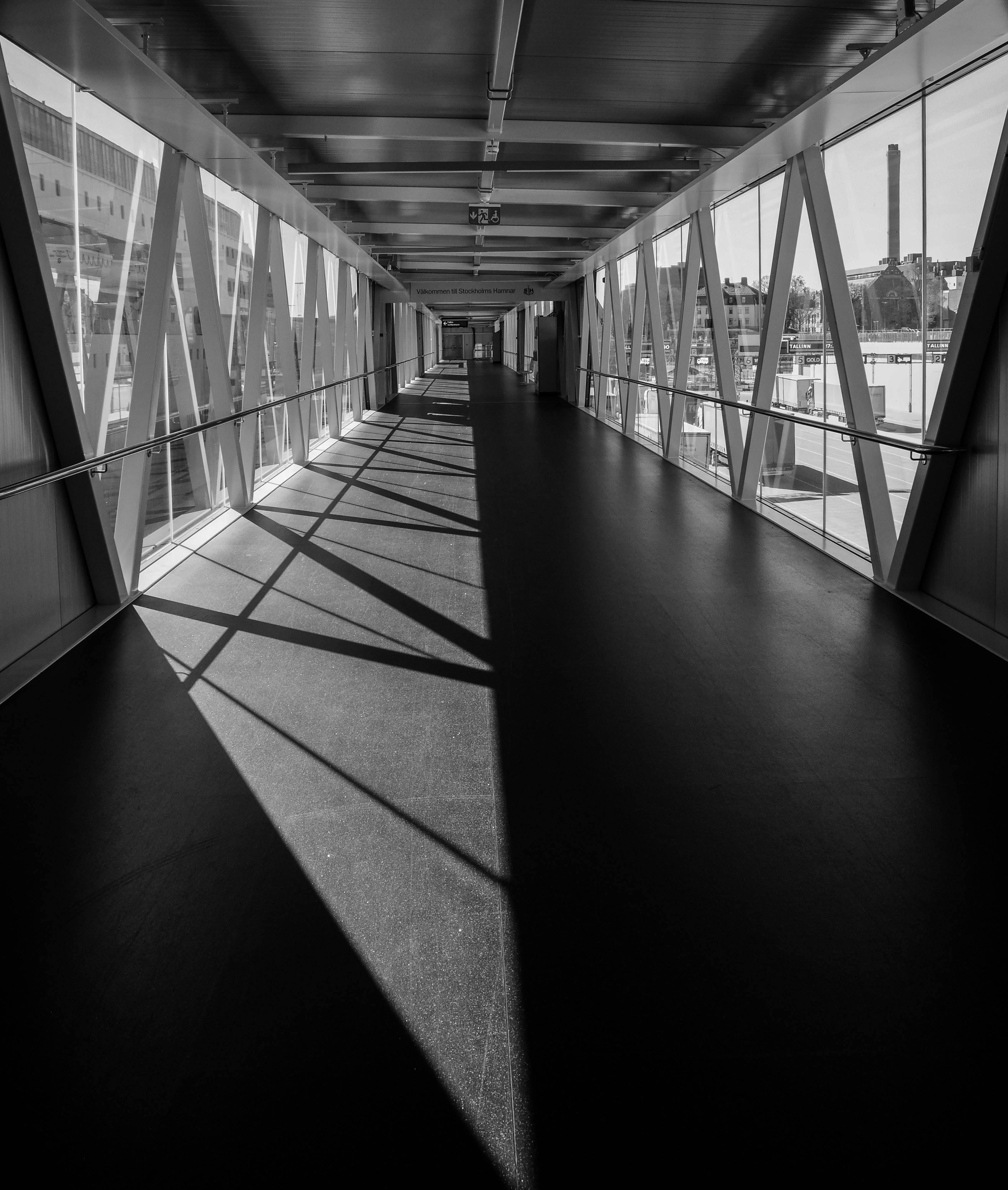
Durability refers to a structure’s ability to perform its intended function over an extended period without significant deterioration. In construction, durability directly influences maintenance costs, safety standards, and lifecycle value. Steel buildings are known for their resilience against environmental loads such as wind, earthquakes, and heavy snow.
When designed and fabricated properly, steel structures can last for decades with minimal structural degradation. Durable steel buildings are particularly important in regions exposed to extreme weather conditions, high humidity, seismic activity, or industrial pollution. Selecting the right steel grade is fundamental to achieving this durability.
Why Steel Is Widely Used in Construction
Steel has become one of the most preferred construction materials because of its unique combination of strength, flexibility, and adaptability.
High Strength-to-Weight Ratio
Steel offers exceptional strength relative to its weight. This means it can support heavy loads without adding excessive mass to the structure. The high strength-to-weight ratio allows for longer spans, fewer columns, and more open interior spaces.
Predictable Structural Performance
Unlike natural materials such as timber, steel is manufactured under controlled conditions, ensuring consistent quality and predictable mechanical properties. Engineers can rely on standardised strength values when designing structural systems.
Design Flexibility
Steel can be fabricated into various shapes, including beams, columns, channels, hollow sections, and plates. This flexibility supports creative architectural designs and complex structural configurations.
Speed of Construction
Prefabricated steel components can be manufactured off-site and assembled quickly on-site. This reduces construction time and labour costs.
Recyclability and Sustainability
Steel is fully recyclable without losing its properties. Many steel products used in construction contain recycled content, contributing to sustainable building practices.
Types of Steel Used in Building Construction
To determine which steel is best for building construction, it is essential to understand the main categories of steel used in structural applications.
Carbon Steel
Carbon steel is one of the most commonly used steels in construction. It primarily consists of iron and carbon, with minimal alloying elements. Low-carbon steel is ductile and easy to weld, making it suitable for structural framing. Medium-carbon steel offers higher strength but reduced ductility. Carbon steel is widely used for beams, columns, and reinforcement bars in general construction projects.
Structural Steel
Structural steel refers to specific grades of steel designed for load-bearing applications. These steels are produced according to international standards and are commonly shaped into I-beams, H-sections, and hollow structural sections. Structural steel offers a balance between strength, ductility, and weldability. It is the backbone of most commercial and industrial buildings.
High-Strength Low-Alloy Steel
High-strength low-alloy steel contains small amounts of alloying elements such as manganese, vanadium, or niobium. These additions improve strength without significantly increasing weight. This type of steel is often used in high-rise buildings and bridges where high strength and reduced material weight are advantageous.
Stainless Steel
Stainless steel contains chromium, which forms a protective oxide layer that resists corrosion. While more expensive than carbon steel, stainless steel is ideal for structures exposed to moisture, chemicals, or coastal environments. In building construction, stainless steel is often used for structural elements in corrosive environments, architectural features, and fasteners.
Weathering Steel
Weathering steel is designed to form a stable rust-like appearance after exposure to the atmosphere. This protective layer reduces further corrosion and eliminates the need for painting in certain applications. It is commonly used in bridges and exterior architectural structures.
Which Steel Is Best for Building Construction?
The answer depends on the building type, environmental conditions, structural requirements, and budget constraints. However, for most general building construction, structural carbon steel grades designed for load-bearing performance are considered the best choice.
General Construction Projects
For residential, commercial, and industrial buildings, standard structural steel such as ASTM A36 or equivalent grades is widely used due to its balanced strength, ductility, weldability, and affordability. These steels provide reliable load-bearing capacity and are suitable for beams, columns, and framing systems.
High-Rise Buildings
High-rise construction often requires high-strength low-alloy steel to support greater loads with reduced member sizes. These steels offer improved strength while maintaining ductility, which is essential for seismic resistance.
Coastal and Corrosive Environments
In areas exposed to saltwater or industrial chemicals, stainless steel or properly coated structural steel may be the best choice. Although stainless steel is more expensive, its corrosion resistance can significantly reduce maintenance costs over time.
Industrial Facilities
Industrial plants may expose steel to high temperatures, chemicals, and heavy loads. In such cases, selecting specialised alloy steels or protected structural steel ensures long-term performance.
Key Factors in Selecting the Best Steel
Choosing the best steel for building construction involves evaluating several factors.
Load-Bearing Requirements
The steel must safely carry dead loads, live loads, wind loads, and seismic forces. Structural calculations determine the necessary strength and section size.
Environmental Exposure
Corrosion risk influences the choice between standard structural steel, coated steel, or stainless steel.
Fabrication and Weldability
Ease of welding and fabrication affects construction efficiency. Steels with good weldability simplify assembly and reduce labour costs.
Cost and Budget
Material cost must be balanced with lifecycle value. While high-strength or stainless steel may cost more initially, it may reduce long-term maintenance expenses.
Compliance with Standards
Steel used in construction must comply with national and international standards to ensure safety and reliability.
Advantages of Durable Steel Buildings
Durable steel buildings offer numerous long-term benefits. Steel structures resist warping, cracking, and pest damage. They maintain structural integrity under heavy loads and extreme weather conditions. Properly maintained steel buildings can last for several decades.
Steel’s ductility allows it to absorb energy during earthquakes, reducing the risk of sudden failure. Fire-resistant coatings and protective treatments further enhance safety. Additionally, steel buildings can be expanded or modified more easily than many other construction types.
Maintenance and Longevity of Steel Structures
Durability does not eliminate the need for maintenance. Protective coatings should be inspected regularly, and exposed steel surfaces should be cleaned to prevent corrosion. In harsh environments, applying galvanisation or protective paints can significantly extend service life. Regular inspections ensure early detection of any structural issues.
Steel Framing Versus Traditional Materials
Compared to timber, steel offers greater dimensional stability and resistance to pests and fire. Unlike concrete, steel provides flexibility and faster construction timelines. Steel’s combination of strength and lightweight properties makes it ideal for multi-storey buildings and long-span structures.
Sustainability and Lifecycle Performance
Steel buildings contribute to sustainable construction through recyclability and reduced waste. Prefabricated components minimise material loss and improve efficiency. Long service life reduces the need for demolition and reconstruction, conserving resources.
Frequently Asked Questions
Which steel is best for building construction?
For most building projects, structural carbon steel designed for load-bearing applications is the best choice due to its strength, weldability, and cost-effectiveness. In corrosive environments, stainless steel or coated structural steel may be more suitable.
Is stainless steel better than carbon steel for buildings?
Stainless steel offers superior corrosion resistance but is more expensive. Carbon structural steel is typically preferred for general construction unless environmental conditions demand higher corrosion protection.
How long do steel buildings last?
With proper design, protective coatings, and maintenance, steel buildings can last several decades and often exceed 50 years of service life.
Conclusion
Durable steel buildings represent one of the most reliable solutions in modern construction. Steel’s strength, adaptability, and sustainability make it an ideal material for a wide range of building applications.
When determining which steel is best for building construction, structural carbon steel grades are generally the preferred choice for most projects due to their balanced performance and affordability. However, environmental conditions, load requirements, and project specifications may call for high-strength low-alloy steel or stainless steel.
By carefully evaluating structural demands, exposure conditions, and lifecycle costs, builders and engineers can select the most appropriate steel grade to ensure safety, longevity, and efficiency. Durable steel buildings continue to shape the future of construction, providing resilient structures that stand strong for generations.