
Structural steel supplies occupy a central position in modern construction and infrastructure development. They represent the coordinated movement of engineered materials from production facilities to fabrication workshops and construction sites. Behind every completed bridge, commercial tower, stadium, warehouse, or industrial plant lies a supply chain that ensures structural steel is available in the correct grade, section, thickness, and quantity.
Structural steel is not a generic commodity; it is a precisely engineered material whose performance depends on composition, manufacturing discipline, certification, and compliance with strict structural standards. Structural Steel Suppliers do more than deliver beams and columns. They manage documentation, mill certificates, traceability records, cutting and drilling services, surface treatments, and delivery logistics.
Engineers rely on suppliers to provide steel that matches structural calculations for load-bearing capacity, yield strength, tensile strength, and ductility. Contractors depend on timely deliveries to maintain construction schedules. The reliability of structural steel supplies directly influences project timelines, safety outcomes, and overall cost efficiency.
At the centre of structural steel supply lies an essential technical question: what materials are used in structural steel? Understanding these materials provides clarity on how structural steel achieves its strength, durability, and adaptability in modern engineering.
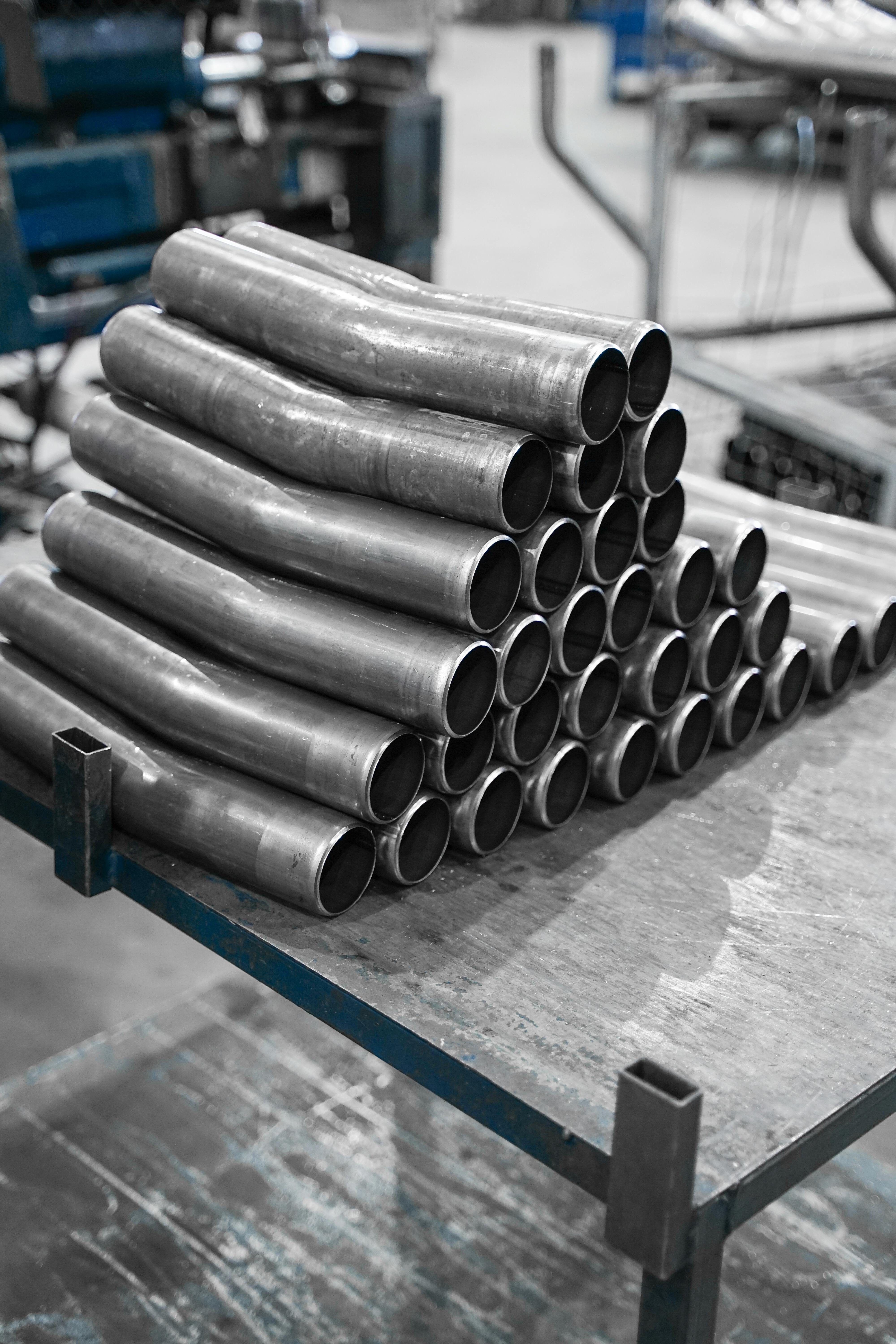
Understanding Structural Steel as a Material System
Structural steel is not simply iron shaped into beams. It is a controlled alloy system designed for predictable mechanical performance. Buildings, bridges, and industrial facilities require materials capable of resisting compression, tension, bending, torsion, and dynamic loads. Structural steel must therefore exhibit strength without excessive brittleness, flexibility without permanent deformation, and weldability without compromising integrity.
The composition of structural steel determines these properties. Each material added during production influences the internal microstructure of the steel. Some elements increase strength, others improve toughness, and some enhance corrosion resistance. The balance between these elements ensures that structural steel remains reliable under long-term service conditions.
Iron as the Structural Foundation
Iron is the primary component of structural steel. Extracted from iron ore and refined through industrial processes, iron forms the base matrix into which other elements are introduced. Its crystalline structure provides the framework that supports alloying additions.
In its pure form, iron is relatively soft and lacks sufficient strength for heavy structural applications. However, its ability to combine with carbon and other elements makes it highly adaptable. Iron’s abundance and metallurgical versatility make it the ideal foundation for large-scale construction materials. Every structural steel beam, column, and plate begins with iron as its fundamental building block.
Carbon as the Primary Strength Modifier
Carbon is the most influential element in structural steel after iron. Even in small percentages, carbon significantly increases strength and hardness. When carbon atoms integrate into iron’s lattice, they form iron carbide compounds that enhance tensile strength.
Structural steel typically contains low to moderate carbon content. This controlled level ensures that steel remains weldable and ductile. Excessive carbon would increase brittleness and make fabrication difficult, particularly in projects requiring on-site welding. The precise management of carbon content allows structural steel to balance strength with workability, which is essential for safe and efficient construction.
Alloying Elements That Enhance Structural Performance
Beyond iron and carbon, structural steel incorporates additional materials that refine its mechanical and environmental properties. These alloying elements are introduced in carefully measured quantities to achieve targeted performance characteristics.
Manganese for Toughness and Durability
Manganese is widely used in structural steel to increase tensile strength and resistance to wear. It improves toughness and helps prevent brittleness by binding with sulphur during production. Without manganese, sulphur could form compounds that weaken the steel.
In load-bearing structures such as bridges and high-rise buildings, manganese contributes to fatigue resistance. Repeated stress from traffic, wind, and vibration requires steel that maintains integrity under cyclical loading. Manganese enhances this durability while also improving hardenability, ensuring uniform strength throughout thick structural sections.
Silicon for Purity and Structural Consistency
Silicon primarily functions as a deoxidiser during steel production. Removing oxygen from molten steel prevents internal defects and improves overall material quality. Silicon also contributes modestly to increased strength.
Consistency is critical in structural steel supplies. Large construction projects require substantial quantities of steel with uniform properties. Silicon supports this uniformity by stabilising the microstructure during solidification, reducing variability between batches.
Chromium for Corrosion Resistance
Chromium enhances hardness and corrosion resistance. While structural carbon steels contain lower chromium levels than stainless steels, their inclusion can improve resistance to environmental exposure.
Chromium forms a thin oxide layer on the steel surface that slows oxidation. In environments exposed to moisture or pollutants, chromium-containing structural steel can provide extended durability. Though not always a dominant element, chromium contributes to longevity in demanding applications.
Nickel for Impact Resistance
Nickel improves toughness, especially in low-temperature environments. Structures located in colder climates benefit from nickel-alloyed steel because it reduces the risk of brittle fracture.
Nickel also enhances corrosion resistance when combined with other alloying elements. Its presence ensures that structural steel maintains flexibility and strength under fluctuating environmental conditions.
Molybdenum for High-Temperature Strength
Molybdenum increases strength at elevated temperatures and improves resistance to certain forms of corrosion. In industrial facilities and energy plants where steel may experience thermal stress, molybdenum-containing structural steel maintains performance under load.
It also enhances hardenability, ensuring thicker structural components develop consistent mechanical properties during cooling.
Vanadium for Grain Refinement
Vanadium strengthens structural steel by refining its grain structure. Smaller grain sizes improve tensile strength and fatigue resistance without significantly increasing weight.
High-strength low-alloy structural steels often incorporate vanadium to achieve better strength-to-weight ratios. This efficiency enables engineers to design lighter yet stronger frameworks, reducing material consumption while maintaining safety.
Copper for Atmospheric Protection
Copper improves resistance to atmospheric corrosion. Weathering steels incorporate copper to develop a stable protective patina when exposed to environmental conditions. This natural layer reduces further corrosion and minimises maintenance.
Bridges and exposed architectural structures frequently use copper-containing structural steel to extend service life while reducing repainting requirements.
Aluminium for Microstructural Control
Aluminium acts as both a deoxidiser and a grain refiner. Even in small quantities, it enhances structural consistency by controlling the steel’s internal microstructure. Improved grain structure contributes to predictable mechanical behaviour and increased toughness.
Controlled Impurities and Quality Management
In addition to intentionally alloying elements, controlling impurities is critical. Elements such as sulphur and phosphorus must be limited because excessive amounts can reduce ductility and increase brittleness. Modern steel production employs strict quality control processes to regulate chemical composition.
Structural steel supplies are typically accompanied by mill certificates verifying compliance with specified standards. This documentation ensures that materials meet the mechanical and chemical requirements outlined by structural engineers.
Manufacturing Processes That Integrate Materials
The materials used in structural steel are combined through advanced metallurgical processes. Iron is melted, alloying elements are introduced, and the molten mixture is cast into slabs or billets. These semi-finished forms are then rolled into beams, columns, plates, and channels.
Controlled cooling and heat treatment refine the internal structure, ensuring consistent strength throughout each section. The integration of materials is not random; it is carefully calculated to meet structural grade specifications. Suppliers depend on this manufacturing precision to deliver steel suitable for safe construction.
Protective Coatings and Surface Treatments
Although alloy composition determines inherent strength, additional protection is often required against corrosion. Galvanisation applies a zinc coating that prevents rust formation. Paint systems and industrial coatings provide further environmental resistance. Structural steel supplies may include pre-treated components ready for installation. Surface protection extends service life, especially in coastal, industrial, or high-humidity environments.
Frequently Asked Questions
What are the main materials used in structural steel?
Structural steel primarily consists of iron and carbon, with additional elements such as manganese, silicon, chromium, nickel, molybdenum, vanadium, copper, and aluminium added to enhance strength, durability, and corrosion resistance.
Why is carbon content carefully controlled in structural steel?
Carbon increases strength, but excessive amounts reduce ductility and weldability. Controlled carbon levels ensure structural steel remains strong while still being practical for fabrication and installation.
Does structural steel resist corrosion on its own?
Standard structural steel requires protective coatings. However, certain alloying elements like copper and chromium improve corrosion resistance in specialised grades.
Conclusion
Structural steel supplies depend on a sophisticated balance of materials that transform raw iron into a high-performance construction resource. Iron provides the foundation, carbon defines strength, and alloying elements refine toughness, durability, and environmental resistance. Through controlled composition and precise manufacturing, structural steel becomes a dependable material capable of supporting modern infrastructure.
Understanding the materials used in structural steel allows engineers, contractors, and project managers to make informed decisions. The reliability of structural steel is not accidental; it is the result of deliberate material selection, quality control, and engineering expertise that ensures long-term structural performance and safety.