
The early years of a child’s life lay the groundwork for future learning, relationships, emotional wellbeing, and overall development. During this important stage, children learn best when they are actively involved in meaningful experiences that encourage curiosity, creativity, and exploration. Rather than relying solely on structured lessons, children benefit from opportunities to investigate the world around them through play.
Play-based learning allows children to discover new ideas while developing essential cognitive, physical, emotional, and social skills. Every activity, whether building with blocks, engaging in imaginative role play, creating artwork, or exploring nature, contributes to their understanding of how the world works. These everyday experiences help children become confident learners who enjoy asking questions and solving problems independently.
Families searching for quality Early learning programmes often look for environments where play is intentionally integrated into daily learning. A thoughtfully planned programme supports children’s individual interests while encouraging communication, collaboration, resilience, and independence in ways that prepare them for future education without placing unnecessary academic pressure on them.
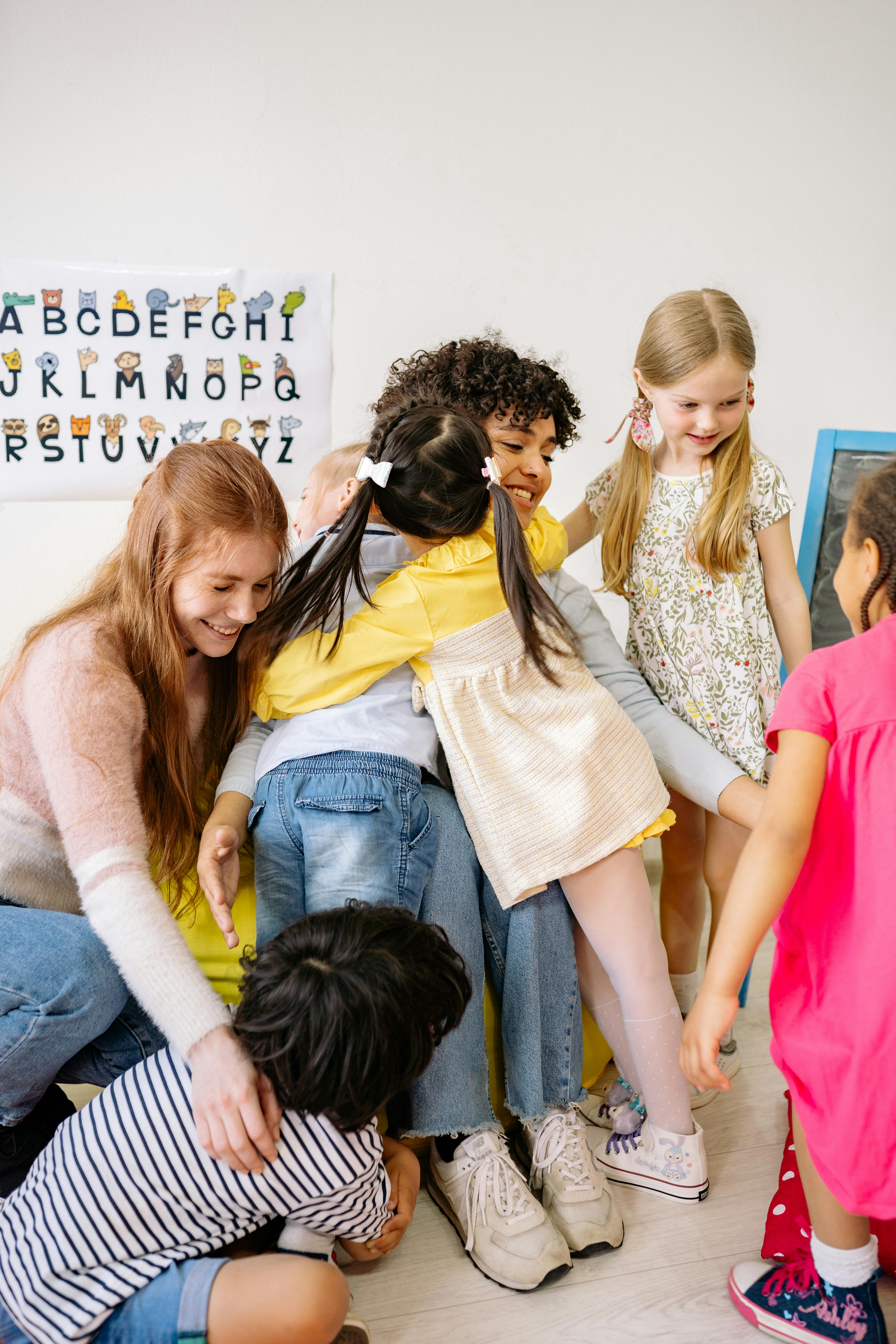
Why Play-Based Learning Creates Strong Foundations
Learning Through Natural Curiosity
Children are naturally curious. They explore, experiment, and ask questions long before they enter formal schooling. Play-based learning nurtures this curiosity by giving children opportunities to investigate ideas at their own pace while being supported by educators who guide rather than direct every activity.
Instead of memorising information, children develop understanding through experience. When children stack blocks to build towers, they begin exploring balance, measurement, and problem-solving. When they pretend to run a shop, they develop language, early mathematics, and social interaction. These meaningful experiences allow learning to become memorable because children actively participate rather than simply receive information.
Curiosity also encourages children to become lifelong learners. They begin to associate learning with enjoyment, discovery, and achievement, which supports a positive attitude towards education throughout their lives.
How Play Encourages Cognitive Development
Building Thinking and Problem-Solving Skills
Play presents children with countless opportunities to think critically and solve problems independently. Every challenge, whether completing a puzzle or creating an imaginary story, requires children to make decisions, test ideas, and adjust their approach when something does not work.
Open-ended activities encourage flexible thinking because there is rarely only one correct answer. Children learn to compare different possibilities, evaluate outcomes, and develop creative solutions. These thinking processes strengthen brain development while building confidence in decision-making.
As children repeat these experiences across different activities, they become increasingly capable of handling new situations with confidence and resilience.
Supporting Language and Communication
Play creates rich opportunities for conversation. Children describe what they are doing, negotiate with friends, ask questions, explain ideas, and express emotions using increasingly complex vocabulary.
Storytelling activities encourage imagination while strengthening listening and speaking skills. Singing, dramatic play, and shared reading also help children understand sentence structure, sequencing, and new words within meaningful contexts.
Strong communication skills established through play contribute significantly to later literacy development and classroom participation.
The Social Benefits of Play-Based Learning
Developing Positive Relationships
One of the greatest strengths of play-based learning is its ability to foster healthy relationships. Children learn how to cooperate, share, negotiate, and work together during group activities that naturally require interaction.
Through collaborative play, children begin understanding different perspectives and recognising that everyone contributes unique ideas. They also develop empathy by considering the feelings of others during both successful and challenging situations.
These early social experiences help children build friendships based on trust, kindness, and mutual respect.
Learning Emotional Regulation
Young children experience a wide range of emotions every day. Play provides safe opportunities to recognise, express, and manage these feelings in constructive ways.
Pretend play often allows children to explore emotions they may not yet fully understand. Acting out different scenarios helps them process experiences while practising appropriate emotional responses.
Supportive educators can guide children through moments of frustration, disappointment, or excitement, helping them develop resilience and emotional self-regulation that benefits them well beyond early childhood.
Physical Development Through Everyday Play
Strengthening Gross and Fine Motor Skills
Physical movement is an essential component of healthy child development. Outdoor play, climbing, running, jumping, balancing, and dancing improve coordination, strength, balance, and overall fitness.
Indoor activities also contribute to physical development. Drawing, painting, threading beads, cutting paper, and manipulating building materials strengthen fine motor skills that are important for writing and everyday tasks.
Providing varied opportunities for movement allows children to build physical confidence while supporting healthy growth.
Encouraging Healthy Lifestyle Habits
Children who regularly participate in active play are more likely to develop positive attitudes towards physical activity. They begin viewing movement as enjoyable rather than something they must do.
Outdoor environments also encourage exploration of natural surroundings, supporting both physical wellbeing and an appreciation for the environment. These experiences help establish lifelong habits that contribute to overall health.
The Role of Educators in Meaningful Play
Creating Purposeful Learning Experiences
Although play appears spontaneous, effective play-based learning is carefully planned. Educators observe children’s interests, developmental stages, and individual strengths before designing experiences that encourage further learning.
Rather than providing all the answers, educators ask thoughtful questions that inspire children to think more deeply. Questions such as “What do you think will happen next?” or “How else could we build this?” encourage investigation and independent thinking.
By adapting activities to suit different learning styles, educators ensure every child feels supported while being challenged appropriately. This balanced approach helps children progress naturally without feeling overwhelmed.
Supporting Individual Growth
Every child develops at their own pace. Some children confidently engage in group activities while others prefer quieter experiences before gradually building social confidence.
Play-based learning recognises these individual differences. Flexible activities allow children to participate in ways that suit their personality, abilities, and interests. This personalised approach builds self-esteem because children experience success through meaningful participation rather than comparison with others.
Educators also use observations gathered during play to identify emerging skills and areas where additional support may be beneficial. This allows learning experiences to remain responsive to each child’s changing needs.
Preparing Children for School Through Play
Building School Readiness Naturally
School readiness involves far more than recognising letters and numbers. Children also need confidence, resilience, independence, communication skills, and the ability to work cooperatively with others.
Play-based learning develops these essential capabilities through everyday experiences. Children practise following routines, listening to instructions, solving problems, managing emotions, and completing tasks independently. These skills allow them to transition into school with greater confidence.
Academic concepts are introduced naturally through engaging activities rather than formal instruction. Counting during games, recognising shapes while building, and exploring early literacy through storytelling help children develop foundational knowledge in enjoyable ways.
Encouraging Independence and Responsibility
Play gives children opportunities to make choices, manage materials, and take responsibility for their own learning. Whether selecting activities, tidying shared spaces, or completing creative projects, children develop independence through repeated practice.
These experiences encourage responsibility and decision-making while strengthening confidence in their own abilities. As children become more independent, they are better prepared to navigate new learning environments with curiosity and resilience.
Why Families Value Play-Based Learning
Building Strong Partnerships Between Home and Learning Environments
Families play an important role in supporting children’s development. When educators and families communicate regularly, children experience greater consistency between home and their learning environment.
Sharing observations about children’s interests, achievements, and developmental progress allows both families and educators to create experiences that extend learning beyond the classroom. Activities such as reading together, outdoor exploration, imaginative games, and creative projects reinforce the skills children develop through play.
Strong partnerships also provide reassurance for families, helping them understand how everyday play contributes to meaningful learning outcomes rather than simply occupying children’s time.
Supporting Lifelong Learning
The greatest benefit of play-based learning extends well beyond the early years. Children who enjoy learning through exploration often carry that enthusiasm into primary school and beyond.
They develop confidence to ask questions, seek solutions, adapt to change, and approach challenges with optimism. These qualities support academic achievement while also contributing to personal wellbeing, healthy relationships, and future career success.
Rather than focusing only on immediate educational milestones, play-based learning nurtures adaptable learners who continue developing throughout every stage of life.
Frequently Asked Questions
Why is play-based learning important during early childhood?
Play-based learning supports children’s cognitive, emotional, physical, and social development through enjoyable and meaningful experiences. It helps children develop confidence, creativity, communication skills, and problem-solving abilities while fostering a lifelong love of learning.
Does play-based learning prepare children for school?
Yes. Play-based learning develops school readiness by encouraging independence, resilience, communication, emotional regulation, and early literacy and numeracy skills through engaging everyday activities rather than formal academic instruction.
How can families support play-based learning at home?
Families can encourage play-based learning by providing opportunities for imaginative play, reading together, spending time outdoors, creating art, building with everyday materials, and allowing children to explore their interests through hands-on experiences. These simple activities reinforce the learning and development that occurs in early childhood settings.
Conclusion
Play-based learning provides children with opportunities to explore, create, communicate, and discover in ways that support every aspect of their development. Through meaningful experiences, children strengthen cognitive abilities, social skills, emotional resilience, language development, and physical wellbeing while developing a genuine love of learning.
Quality early learning environments recognise that play is far more than entertainment. Purposefully designed experiences encourage children to think independently, build confidence, develop relationships, and prepare naturally for future education. By supporting children’s curiosity and individual strengths, play-based learning creates strong foundations that continue benefiting them throughout school and into adulthood.