
Termites are among the most difficult pests to detect because they often remain hidden inside walls, floors, and structural timber while silently causing damage. By the time visible signs appear, significant destruction may already have occurred. This is why modern Termite Detection Services have become essential for homeowners and property managers seeking early identification and prevention.
A common question is whether there is a device that can detect termites. The answer is yes—there are multiple advanced technologies designed specifically to locate termite activity without invasive demolition. These tools allow professionals to identify infestations early, assess risk levels accurately, and prevent costly structural damage.
This guide explores the devices used in termite detection, how they work, their accuracy, and why professional detection services remain the most reliable approach for identifying hidden termite activity.
Understanding Why Termite Detection Is Challenging
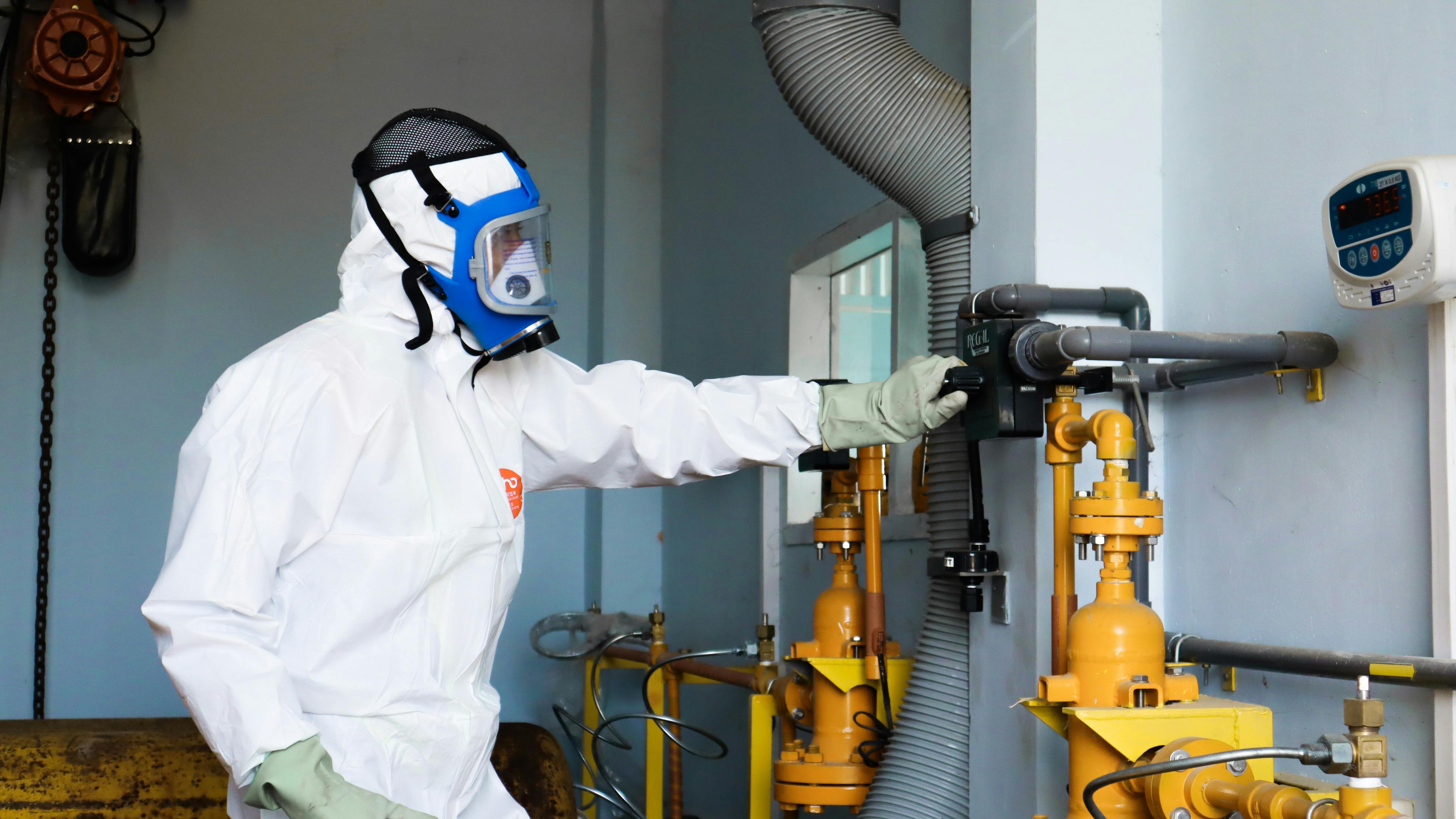
Before exploring detection devices, it is important to understand why termites are so difficult to find in the first place.
Hidden Living Behaviour
Termites avoid light and open air, preferring to remain inside wood, soil, or enclosed structural spaces. This behaviour allows them to stay undetected for long periods.
Their hidden nature makes visual inspection alone insufficient.
Internal Structural Damage
Unlike pests that remain on surfaces, termites consume wood from the inside out.
This means damage often occurs internally while the exterior appears normal.
Large and Complex Colonies
Termite colonies can contain thousands to millions of individuals spread across multiple locations.
Detecting a single colony requires specialised tools and expertise.
Is There a Device That Can Detect Termites
Yes, there are several advanced devices used in modern Termite Detection Services to identify termite presence, movement, and environmental conditions that indicate infestation.
Thermal Imaging Cameras
Thermal imaging is one of the most widely used termite detection technologies.
These cameras detect heat variations within walls and structures.
How Thermal Imaging Works
Termites generate heat and moisture as they move and feed inside wood structures.
Thermal cameras detect subtle temperature differences that may indicate hidden activity.
Advantages of Thermal Detection
This method is non-invasive and does not require drilling or damaging walls.
It allows inspectors to scan large areas.
Limitations of Thermal Imaging
Thermal imaging does not directly “see” termites.
It identifies potential hotspots that require further investigation.
Acoustic Emission Devices
Acoustic technology is another advanced method used in termite detection.
How Acoustic Devices Work
These devices detect sound frequencies produced by termites as they chew wood or move through structures.
Highly sensitive microphones pick up vibrations that are not audible to humans.
Identifying Active Feeding Areas
Active termite colonies produce consistent sound patterns.
Acoustic devices help pinpoint the exact locations of feeding activity.
Benefits of Acoustic Detection
This method provides direct evidence of live termite activity.
It is especially useful in wooden structures.
Challenges in Acoustic Detection
Background noise and structural interference can affect accuracy.
Expert interpretation is required to analyse results correctly.
Moisture Detection Devices
Moisture meters are commonly used in Termite Detection Services to identify conditions that attract termites.
Why Moisture Matters
Termites are drawn to damp environments because moisture softens wood and supports colony survival.
High moisture levels often indicate potential risk areas.
How Moisture Meters Work
These devices measure moisture content within walls, floors, and timber structures.
Elevated readings may suggest hidden termite activity or conducive conditions.
Role in Early Detection
While moisture meters do not detect termites directly, they help identify environments where termites are likely to exist.
Radar and Microwave Detection Technology
Some advanced systems use radar or microwave technology to detect movement inside walls.
How Radar Detection Works
Radar waves penetrate structures and reflect back signals based on movement and density changes.
Termite movement can sometimes be detected through these reflections.
Advantages of Radar Technology
This method can scan deep into structures without physical access.
It is useful for large commercial buildings.
Limitations
Interpretation can be complex and requires skilled technicians.
False positives may occur due to other internal movements.
Borescope Inspection Cameras
Borescopes are small, flexible cameras used for direct visual inspection.
How Borescopes Are Used
These devices are inserted into small openings or drilled access points.
They allow inspectors to see inside walls, ceilings, and timber structures.
Direct Visual Confirmation
Unlike other technologies, borescopes provide actual visual evidence of termites.
This makes them highly reliable for confirmation.
Use in Targeted Inspections
Borescopes are often used after other devices indicate possible activity.
They help confirm findings before treatment.
Infrared and Laser Scanning Systems
Some advanced Termite Detection Services use infrared or laser-based systems.
How Infrared Scanning Works
Infrared sensors detect heat signatures and energy variations within structures.
This can indicate termite movement or colony presence.
Laser-Based Surface Mapping
Laser tools create detailed structural maps to detect subtle changes in wood density or shape.
This helps identify weakened or hollow areas.
Combining Multiple Detection Devices
No single device provides complete termite detection accuracy. The most effective approach combines multiple technologies.
Layered Detection Strategy
Professionals often use thermal imaging, moisture meters, and acoustic devices together.
This layered approach increases accuracy.
Cross-Verification of Results
When multiple devices indicate the same area of concern, confidence in detection increases.
This reduces false positives.
Improved Decision Making
Combined data helps professionals decide whether treatment is needed and what type is most effective.
Why Professional Termite Detection Services Are Essential
While devices are powerful tools, expertise is equally important.
Interpretation of Data
Detection devices generate data that must be interpreted correctly.
Experienced technicians understand how to distinguish termite activity from other environmental factors.
Knowledge of Termite Behaviour
Professionals understand termite movement patterns and nesting behaviour.
This helps identify likely infestation zones.
Accurate Risk Assessment
Experts can determine whether detected signs indicate active infestation or past activity.
This prevents unnecessary treatments.
Integration with Treatment Planning
Detection results are used to design targeted treatment and prevention strategies.
This ensures effective long-term control.
Signs That Indicate the Need for Termite Detection
Even without visible termites, certain signs suggest the need for professional inspection.
Hollow-Sounding Wood
Tapping on wood that produces a hollow sound may indicate internal damage.
Mud Tubes on Walls
Termites build protective tunnels made of soil and saliva.
These are strong indicators of activity.
Bubbling Paint or Warped Surfaces
Moisture and internal feeding can cause surface deformation.
Discarded Wings
Swarming termites shed wings near windows and doors.
This suggests nearby colony activity.
Benefits of Early Termite Detection
Early detection provides significant advantages for property protection.
Reduced Repair Costs
Identifying termites early prevents extensive structural damage.
Faster Treatment Response
Early detection allows for quicker and more effective treatment.
Preservation of Structural Integrity
Timely intervention protects key building components.
Peace of Mind
Knowing a property is termite-free reduces stress and uncertainty.
Limitations of Detection Devices
While advanced detection technology is not perfect.
Environmental Interference
Moisture, temperature changes, and building materials can affect readings.
Need for Skilled Interpretation
Devices require trained professionals to interpret results correctly.
Cannot Always Confirm Presence Alone
Some devices only indicate risk areas rather than confirming infestation.
Future of Termite Detection Technology
Termite detection continues to evolve with technological advancements.
Artificial Intelligence Integration
AI may soon help analyse detection data more accurately.
Smart Monitoring Systems
Continuous monitoring systems can detect termite activity in real time.
Improved Imaging Technology
Higher resolution imaging will improve accuracy and depth of detection.
Frequently Asked Questions
Is there a device that can detect termites?
Yes, devices such as thermal imaging cameras, acoustic sensors, moisture meters, radar systems, and inspection cameras are used in Termite Detection Services to identify termite activity.
Can termite detection devices guarantee accuracy?
No single device is 100 per cent accurate, but combining multiple technologies improves reliability significantly.
Do I need professionals to use termite detection devices?
Yes, trained professionals are essential to correctly interpret results and confirm termite presence.
Conclusion
Modern Termite Detection Services use a wide range of advanced technologies to identify hidden termite activity. Devices such as thermal imaging cameras, acoustic sensors, moisture meters, radar systems, and inspection cameras all play important roles in detecting infestations that would otherwise remain invisible.
While these tools are highly effective, they require professional expertise to interpret results accurately and develop appropriate treatment strategies. No single device can provide complete certainty, which is why integrated detection approaches are essential.
Ultimately, termite detection technology has transformed pest management by allowing earlier, safer, and more accurate identification of termite activity. When combined with professional expertise, these tools provide powerful protection against one of the most destructive pests affecting buildings today.