
Indian weddings are among the most diverse and meaningful celebrations in the world. They are not defined by a single ritual or format but shaped by centuries of tradition, regional customs, spiritual beliefs, and evolving modern influences.
When couples begin searching for a top Indian wedding venue, they are not just looking for a beautiful space. They are choosing a setting that can honour rituals, accommodate guests, reflect heritage, and create unforgettable memories.
One fascinating aspect of Indian marriage traditions is that classical Hindu scriptures describe eight different types of weddings. While modern ceremonies typically follow one widely practised format, understanding these eight types offers insight into the cultural depth behind Indian weddings. At the same time, today’s couples explore various styles of celebration, from grand palace affairs to intimate destination ceremonies.
In this comprehensive guide, we will explore what makes a Top Indian Wedding Venue, explain the eight traditional types of Hindu weddings, and discuss how venues adapt to different styles of celebrations in contemporary times.
What Makes a Top Indian Wedding Venue
A top Indian wedding venue is defined by more than size or luxury. It is a space that blends practicality, elegance, and cultural compatibility. Indian weddings are multi-day events filled with rituals such as haldi, mehndi, sangeet, the main ceremony, and the reception. Each function may require a different setup.
The best venues offer versatility. Large banquet halls, open lawns, indoor courtyards, and flexible layouts allow couples to host multiple events seamlessly. Capacity is equally important. Guest lists often range from 200 to 800 attendees, and in some communities, they exceed 1,000.
Top venues also provide strong logistical support. Catering facilities, décor flexibility, accommodation for out-of-town guests, and experienced event staff are essential.
Above all, a top Indian wedding venue enhances the emotional significance of the ceremony. It respects tradition while offering comfort and sophistication.
What Are the 8 Types of Weddings in Hindu Tradition
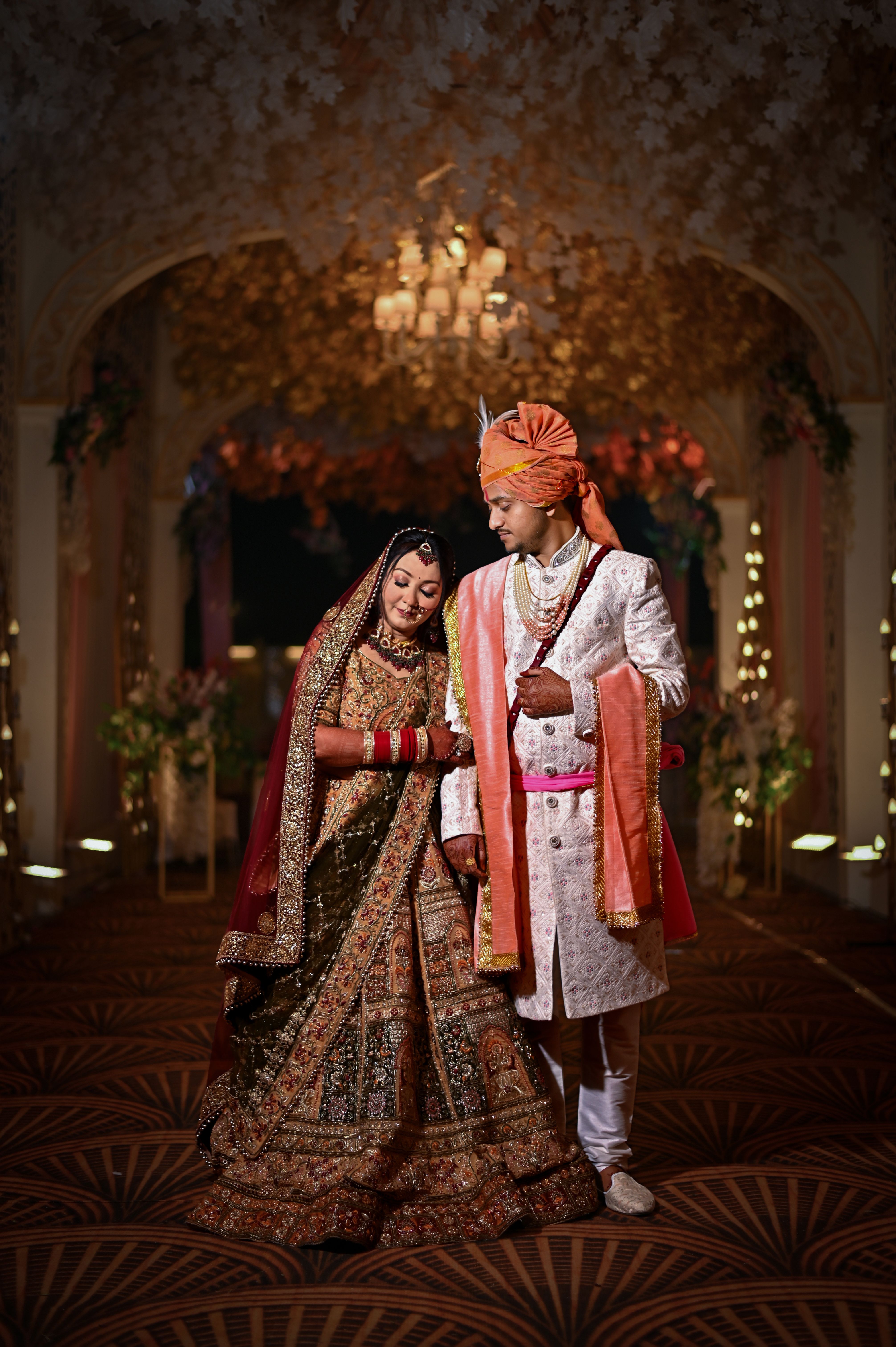
According to ancient Hindu scriptures, particularly the Manusmriti and other Dharmashastra texts, there are eight classical forms of Hindu marriage. These types reflect different social, spiritual, and historical contexts.
While modern Indian weddings typically follow the Brahma form, understanding all eight provides cultural depth.
Brahma Marriage
The Brahma marriage is considered the most sacred and widely accepted form. In this type, the bride’s father voluntarily gives his daughter to a groom who is learned, of good character, and worthy.
This form emphasises dharma, virtue, and responsibility. Modern Hindu weddings most closely resemble the Brahma type. Rituals such as kanyadaan and saptapadi are central components.
Top Indian wedding venues hosting traditional ceremonies often include mandap setups where sacred rituals take place according to this model.
Daiva Marriage
In the Daiva form, the bride is given to a priest who officiates a sacrifice. Historically, this occurred when the father could not find a suitable groom and offered his daughter to a priest as part of a religious service.
While rare in contemporary practice, this form underscores the spiritual roots of marriage in ancient India.
Arsha Marriage
The Arsha marriage involves the groom offering symbolic gifts, often cows, to the bride’s family. This was not a commercial transaction but a gesture of gratitude.
This form reflects simpler times when symbolic offerings represented commitment.
Prajapatya Marriage
In Prajapatya marriage, the bride’s father gives her away with a blessing that emphasises shared duty and partnership. The focus is not just on ritual but on mutual responsibility between husband and wife.
Many modern wedding vows echo this sentiment of equality and shared life purpose.
Gandharva Marriage
The Gandharva marriage is based on mutual love and consent between the couple. It is often described as a “love marriage” in ancient texts.
Unlike arranged forms, Gandharva marriage requires no formal rituals initially. It is founded on emotional connection.
Today, love marriages across India reflect this ancient concept, though they are typically solemnised with full ceremonies.
Asura Marriage
In the Asura form, the groom gives wealth to the bride’s family in exchange for marriage. This type is generally discouraged in scriptures, as it resembles a commercial transaction.
Modern legal and ethical frameworks do not support such arrangements.
Rakshasa Marriage
Rakshasa marriage involved forcibly abducting the bride, historically associated with warrior traditions. It is not accepted in modern society.
Paishacha Marriage
Paishacha marriage is considered the most unacceptable form. It involves deceit or exploitation and is condemned in religious texts.
These last two forms are discussed historically but are not practised today.
How the Eight Types Influence Modern Indian Weddings
Although most contemporary weddings follow the Brahma format, the spirit of Gandharva marriage is evident in modern love marriages.
The emphasis on mutual consent, partnership, and shared values has become central to today’s ceremonies.
Top Indian wedding venues accommodate traditional rituals while also supporting modern expressions such as personalised vows and themed décor.
Types of Modern Indian Wedding Styles
Beyond classical forms, Indian weddings today are categorised by style and setting.
Palace Weddings
Palaces in Rajasthan and heritage properties offer royal settings. These venues accommodate grand guest lists and elaborate décor.
Destination Weddings
Destination weddings take place in scenic locations such as beaches, hill stations, or international cities. Resorts and luxury hotels are popular for this format.
Temple Weddings
Temple weddings focus on spiritual simplicity. They are often smaller and deeply traditional.
Luxury Hotel Weddings
Five-star hotels offer convenience and elegance. They provide ballrooms, in-house catering, and accommodation.
Outdoor Garden Weddings
Garden venues provide natural beauty and flexible layouts for mandaps and receptions.
Choosing a Top Indian Wedding Venue Based on Wedding Type
The form of the wedding influences venue choice.
For a traditional Brahma-style ceremony, venues with mandap space and sacred fire arrangements are ideal.
For a modern Gandharva-inspired celebration, couples may prioritise aesthetics and personalisation.
Large guest lists require spacious banquet halls or convention centres.
Intimate weddings work well in boutique hotels or heritage homes.
Key Features of a Top Indian Wedding Venue
A top venue offers strong infrastructure. This includes climate control, reliable electricity, and backup systems.
Catering capabilities must support diverse menus, including vegetarian, regional, and international cuisines.
Accessibility for elderly guests and parking facilities are essential.
Accommodation options nearby simplify logistics for multi-day events.
Cultural Diversity Across India
India’s cultural diversity means wedding customs vary widely.
North Indian weddings are known for baraat processions and vibrant sangeet nights.
South Indian weddings emphasise temple rituals and early morning ceremonies.
Bengali weddings include unique traditions such as shubho drishti.
Gujarati weddings feature lively garba celebrations.
A top Indian wedding venue must adapt to these regional nuances.
Planning for Guest Experience
Guest experience defines the success of any wedding.
Comfortable seating, efficient food service, clear signage, and organised scheduling create a smooth flow.
Entertainment such as live music and dance performances enhance atmosphere.
Professional coordination ensures ceremonies start on time and transitions are seamless.
Budget and Scale
Venue costs vary based on location, capacity, and services included.
Large palace weddings may require substantial budgets.
Hotel ballrooms offer scalable packages.
Smaller venues allow couples to focus on spending on décor and cuisine.
Careful planning ensures balance between aspiration and affordability.
Frequently Asked Questions
What are the 8 types of weddings in Hindu tradition?
The eight types are Brahma, Daiva, Arsha, Prajapatya, Gandharva, Asura, Rakshasa, and Paishacha marriages, as described in ancient Hindu texts.
Which type is most common today?
The Brahma marriage is the most widely practised form in modern Hindu weddings.
Can modern weddings reflect more than one type?
Yes, many contemporary weddings combine traditional Brahma rituals with the love-based principles of Gandharva marriage.
Conclusion
A top Indian wedding venue is not simply defined by luxury or scale. It is defined by its ability to honour centuries-old traditions while accommodating modern expressions of love and partnership.
The eight classical types of Hindu weddings reveal the rich cultural foundation behind today’s celebrations. While most contemporary ceremonies follow the sacred Brahma format, the influence of love, equality, and shared responsibility continues to shape modern unions.
Whether held in a grand palace, a serene temple, a beachfront resort, or a sophisticated hotel ballroom, the perfect venue provides more than space. It offers a setting where tradition, family, and celebration come together in harmony.
Choosing the right Indian wedding venue ensures that every ritual, every blessing, and every joyful moment unfold beautifully, creating memories that will last for generations.