
Long-term oral health is built on consistency, trust, and preventative action. Reliable dental care for ongoing smile maintenance ensures that each stage of dental development and ageing is managed with appropriate support.
With modern tools and skilled practitioners, everyday concerns can be addressed before they turn into complex issues. From check-ups to advanced procedures like root canal treatment Elwood, every aspect of ongoing dental care plays a part in preserving a confident, functional smile.
The Foundation of Ongoing Smile Maintenance
Routine dental care is not just for when pain or discomfort appears. A planned, proactive schedule helps keep teeth and gums healthy year after year.
Establishing Good Habits
Regular brushing and flossing are essential, but they work best when supported by dental check-ups. Dentists can identify areas that need more attention and suggest tools suited to each patient’s oral condition.
Preventing Common Issues
Decay, enamel erosion, and early gum inflammation often go unnoticed in daily routines. Reliable dental care includes screening for these conditions so they can be managed early with less invasive treatments.
Encouraging Lifelong Oral Health
Patients who commit to maintenance early are less likely to need emergency treatments later. By fostering habits and maintaining regular appointments, dental care becomes a steady part of a healthy lifestyle.
Preventative Dentistry as a Core Service
Preventative services form the backbone of reliable dental care. These treatments reduce the risk of future problems and support early detection of subtle changes.
Comprehensive Check-Ups
Routine check-ups typically include examinations of the teeth, gums, jaw, and soft tissues. Dentists look for signs of decay, shifting bite alignment, and gum recession that could affect long-term oral health.
Professional Cleaning
Professional cleaning removes plaque and tartar that daily brushing cannot eliminate. Ultrasonic tools may be used to clean below the gumline gently and effectively, preventing gingivitis and periodontal disease.
Fluoride Treatments and Sealants
For patients with a higher risk of cavities or weakened enamel, fluoride strengthens the teeth. Sealants can also be applied to molars to protect deep grooves from trapping bacteria and food.
Addressing Functional Issues in Ongoing Dental Care
Reliable dental care also involves identifying and resolving issues that affect how teeth function on a daily basis.
Managing Jaw Tension and Grinding
Bruxism (tooth grinding) and jaw tension often go unnoticed but can lead to enamel wear, cracked teeth, and jaw pain. Custom mouthguards or bite splints help protect teeth and support muscle relaxation during sleep.
Restoring Teeth for Proper Function
Teeth that have been chipped, cracked, or worn down require repair to restore biting and chewing strength. Fillings, crowns, and onlays are tailored to blend in with natural teeth while reinforcing structure.
Orthodontic Support
For those with misaligned teeth or bite issues, orthodontic planning becomes part of their smile maintenance. Clear aligners and minor corrections reduce the risk of enamel damage and gum strain.
Restorative Care for Ongoing Confidence
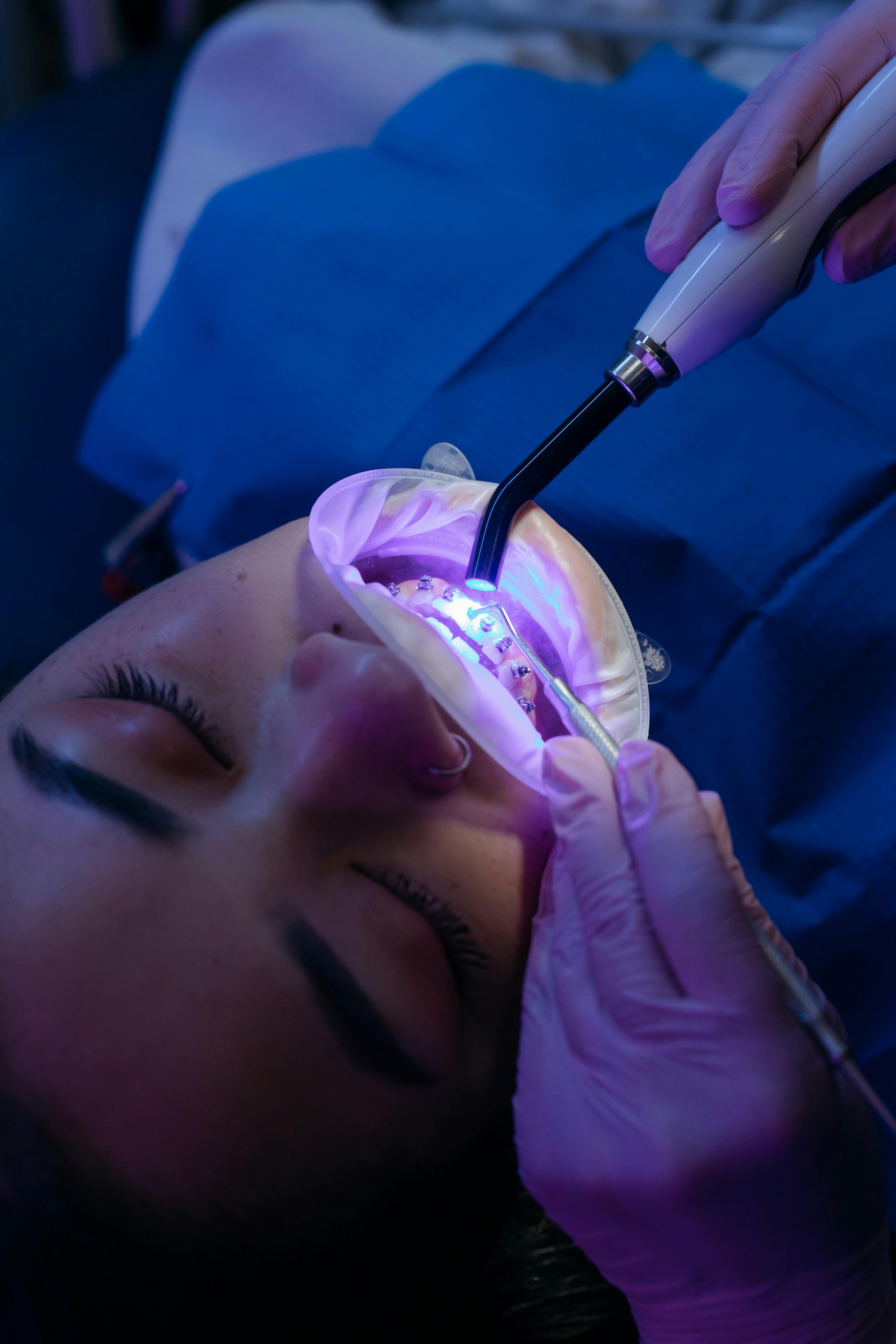
Even with good care, damage or infection can occur. Reliable dental care includes restorative treatments that preserve natural teeth and prevent future complications.
Fillings with Composite Materials
Tooth-coloured fillings are now the standard for treating decay. They restore tooth shape and strength without affecting appearance and are placed with minimal discomfort.
Root Canal Therapy
In cases of deep decay or infection, root canal treatment Elwood services are designed to preserve the affected tooth rather than remove it. The process involves removing the infected pulp, cleaning the canals, and sealing the tooth to prevent reinfection.
Crowns and Bridges
When a tooth is badly damaged or missing, crowns and bridges restore function and alignment. Crowns cover the entire surface of a tooth, while bridges replace one or more teeth by anchoring to the surrounding structure.
Gum Health as Part of Smile Maintenance
Gum disease is one of the leading causes of tooth loss, yet it can be prevented and managed with the right care.
Early Detection of Gum Issues
Regular check-ups include periodontal assessments. Dentists measure gum pocket depth, look for signs of bleeding, and assess gum colour and texture to detect inflammation or infection early.
Deep Cleaning and Root Planing
For patients with gum disease, deep cleaning below the gumline and smoothing the roots of the teeth removes bacteria and supports healing. This reduces the risk of bone loss and receding gums.
Long-Term Monitoring
Gum health is not static—it needs to be checked regularly. Dental practices that focus on long-term maintenance track changes and adjust treatment plans as needed.
Cosmetic Maintenance for Everyday Smiles
A healthy smile includes appearance as well as function. Reliable dental care includes cosmetic treatments that support confidence without compromising oral health.
Whitening Treatments
Professional whitening removes stains and brightens teeth without damaging enamel. Dentists recommend whitening schedules and products based on the condition of each patient’s teeth.
Veneers and Bonding
Minor chips, gaps, or uneven edges can be improved through composite bonding or porcelain veneers. These solutions are applied conservatively to maintain the underlying tooth structure.
Ongoing Cosmetic Monitoring
After cosmetic treatment, maintenance is key. Regular polishing and assessments ensure that veneers, bonding, or whitening results continue to match the patient’s goals.
Children’s Dentistry in Long-Term Maintenance
Reliable dental care for children sets the stage for a lifetime of healthy habits. Early support helps manage developmental changes and reduces dental anxiety.
Tracking Development and Eruption
Children’s teeth emerge and shift rapidly. Dentists monitor the sequence and alignment of erupting teeth to identify any early issues requiring intervention.
Preventing Childhood Decay
Preventative treatments such as fluoride and sealants are especially effective for children. Education on brushing techniques, diet, and the effects of sugary drinks is also part of routine care.
Transitioning to Teen Care
As children grow, their care plans adjust. Wisdom teeth, orthodontic concerns, and more advanced cleaning requirements become part of the teen dental strategy.
Adapting Dental Care for Adults and Seniors
As people age, their dental needs shift. Reliable care takes these changes into account, offering tailored treatment and monitoring strategies.
Enamel Wear and Tooth Sensitivity
Adults often experience gradual enamel erosion. Dentists provide desensitising treatments and suggest protective toothpaste to reduce discomfort and further wear.
Managing Tooth Loss and Gum Recession
Older adults may face gum recession and tooth loss. Treatments like root canal treatment Elwood, crowns, and bridges help preserve function and appearance while minimising further complications.
Addressing Dry Mouth
Common in older adults, dry mouth affects oral comfort and increases the risk of decay. Dentists recommend hydration techniques and special rinses to reduce dryness and support saliva production.
Supporting Patients with Ongoing Dental Anxiety
Dental anxiety prevents many people from accessing regular care. Practices that prioritise ongoing maintenance create supportive environments that help reduce fear over time.
Gentle Techniques and Communication
Dentists use slow-paced procedures, calming communication, and careful explanations to build trust with anxious patients. Over time, consistent positive experiences reduce overall anxiety.
Sedation Options When Needed
For patients requiring more intensive procedures, mild sedation options such as nitrous oxide are available. These help manage fear while keeping the patient aware and responsive.
Building Familiarity Through Routine
The more familiar a patient is with their dental team and environment, the more comfortable they become. Reliable care includes efforts to create continuity in providers and procedures.
Frequently Asked Questions
What does reliable dental care involve?
Reliable dental care includes consistent check-ups, professional cleaning, early detection of problems, and access to restorative and preventative treatments. It focuses on both short-term comfort and long-term oral health.
How often should I have a check-up for smile maintenance?
Most people benefit from a dental check-up every six months. However, those with ongoing issues or risk factors may need more frequent visits. Your dentist will recommend a schedule that suits your needs.
When is root canal treatment necessary?
Root canal treatment Elwood may be required when a tooth becomes infected or inflamed deep inside. The procedure removes the damaged tissue, cleans the canal, and seals the tooth to prevent further issues, preserving your natural tooth structure.
Conclusion
Reliable dental care for ongoing smile maintenance is a partnership between patient and dentist. It’s about regular care, early intervention, and trust in the services provided. With a focus on prevention, tailored treatment plans, and responsive solutions like root canal treatment Elwood, patients can maintain a confident, comfortable smile through every stage of life.
This approach goes beyond fixing problems—it helps people protect what they already have and improve how they feel every day. From children developing new habits to seniors adjusting care routines, reliable dentistry adapts and supports lifelong oral health.